Understanding Private Key Encryption: The Backbone of Secure Bitcoin Transactions
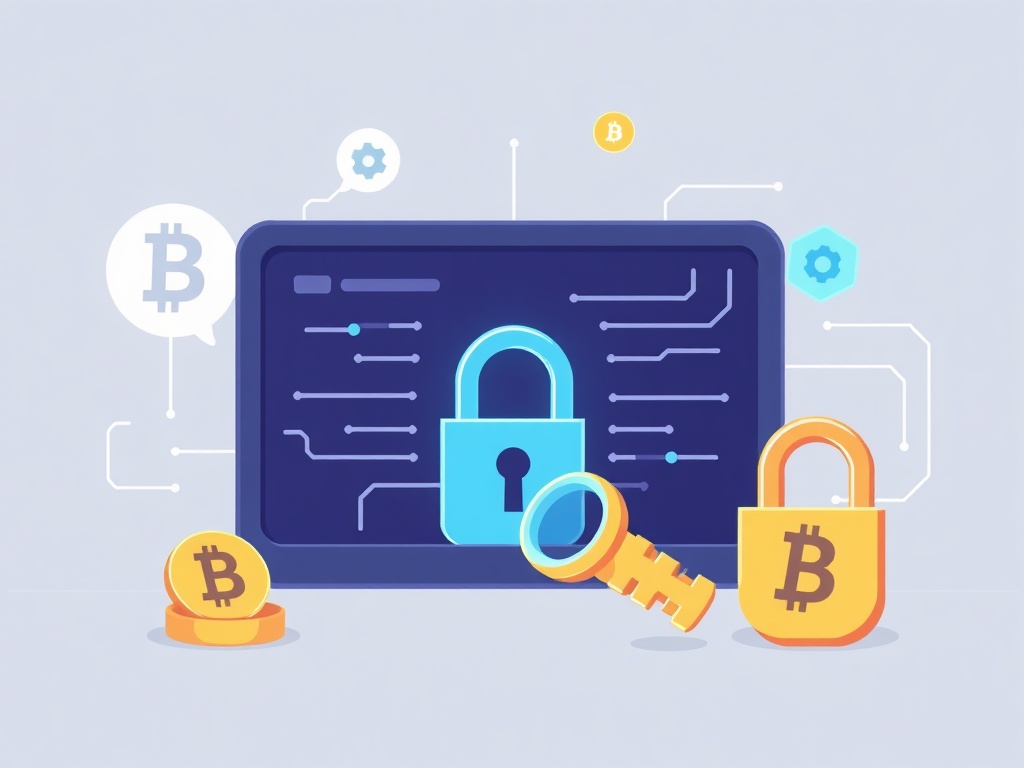
In the rapidly evolving world of cryptocurrency, private key encryption stands as the cornerstone of security and trust. Whether you're a seasoned Bitcoin investor or a newcomer exploring the decentralized finance ecosystem, understanding how private key encryption works is essential for safeguarding your digital assets. This comprehensive guide delves into the intricacies of private key encryption, its role in Bitcoin mixing, and why it remains the gold standard for cryptographic security.
As Bitcoin and other cryptocurrencies gain mainstream adoption, the need for robust security measures has never been more critical. Private key encryption ensures that only the rightful owner of a wallet can authorize transactions, preventing unauthorized access and potential theft. In this article, we explore the fundamentals of private key encryption, its applications in Bitcoin mixing services like BTCmixer, and best practices for maintaining optimal security.
The Fundamentals of Private Key Encryption
What Is a Private Key?
A private key in cryptocurrency is a randomly generated string of alphanumeric characters that serves as the secret code to access and control a specific wallet. Unlike a public address, which can be shared openly, the private key must remain confidential at all times. It is mathematically linked to a corresponding public key, which is used to generate wallet addresses for receiving funds.
The relationship between a private key and a public key is based on private key encryption, a cryptographic process that ensures data integrity and authenticity. When a transaction is initiated, the sender signs it with their private key, and the network verifies the signature using the public key. This process guarantees that only the owner of the private key can authorize transactions, making private key encryption indispensable in the Bitcoin ecosystem.
How Private Key Encryption Works
Private key encryption operates on asymmetric cryptography, also known as public-key cryptography. This system uses a pair of keys: a public key for encryption and a private key for decryption. In the context of Bitcoin, the public key is derived from the private key and is used to generate wallet addresses, while the private key itself is used to sign transactions.
The encryption process begins with the generation of a private key, typically a 256-bit number in the case of Bitcoin. This key is then used to create a public key through elliptic curve multiplication, a one-way function that is computationally infeasible to reverse. When a user sends Bitcoin, the transaction is signed with their private key, and the network verifies the signature using the public key. This ensures that the transaction is authentic and has not been tampered with.
Why Private Key Encryption Is Essential for Bitcoin Security
The decentralized nature of Bitcoin means that there is no central authority to recover lost or stolen funds. Therefore, the security of your Bitcoin holdings hinges entirely on the protection of your private key. Private key encryption provides the necessary safeguards to prevent unauthorized access, ensuring that only the rightful owner can control their assets.
Without private key encryption, Bitcoin transactions would be vulnerable to interception, fraud, and theft. By using cryptographic techniques to secure private keys, users can confidently transact in a trustless environment where the integrity of each transaction is guaranteed by mathematics rather than intermediaries.
Private Key Encryption in Bitcoin Mixing: Enhancing Anonymity and Security
What Is Bitcoin Mixing?
Bitcoin mixing, also known as Bitcoin tumbling, is a process that enhances the privacy and anonymity of cryptocurrency transactions. By obfuscating the transaction trail, Bitcoin mixing services like BTCmixer help users break the link between their sending and receiving addresses, making it difficult for third parties to trace the flow of funds.
At the heart of Bitcoin mixing is private key encryption. When a user sends Bitcoin to a mixing service, the service generates new private keys and public addresses to receive and redistribute the funds. These new keys are encrypted and stored securely, ensuring that only the intended recipient can access the mixed funds. This process not only enhances privacy but also adds an additional layer of security against potential attacks.
How BTCmixer Uses Private Key Encryption for Secure Transactions
BTCmixer is a leading Bitcoin mixing service that leverages private key encryption to provide users with a secure and anonymous way to transact. When a user initiates a mixing process, BTCmixer generates a unique set of private keys for each transaction. These keys are encrypted and stored in a secure database, ensuring that they cannot be accessed by unauthorized parties.
The mixing process begins with the user sending Bitcoin to a BTCmixer address. The service then splits the funds into smaller denominations and sends them to multiple output addresses, each controlled by a newly generated private key. These keys are encrypted and distributed to the user in a secure manner, allowing them to reclaim their mixed funds without revealing the original transaction trail.
By using private key encryption, BTCmixer ensures that the mixing process is both secure and private. The encryption of private keys prevents hackers and malicious actors from intercepting or stealing funds, while the obfuscation of transaction trails enhances user anonymity.
The Role of Private Key Encryption in Preventing Transaction Tracing
One of the primary goals of Bitcoin mixing is to break the link between sending and receiving addresses. Without private key encryption, this process would be vulnerable to analysis by blockchain forensics tools, which can trace transactions back to their origin. By using encrypted private keys and generating new addresses for each transaction, Bitcoin mixing services like BTCmixer make it nearly impossible for third parties to track the flow of funds.
In addition to enhancing privacy, private key encryption also protects against potential attacks, such as Sybil attacks or denial-of-service (DoS) attacks. By encrypting and securely storing private keys, mixing services can prevent attackers from gaining access to user funds or disrupting the mixing process.
Best Practices for Securing Your Private Keys
Use Hardware Wallets for Private Key Storage
One of the most effective ways to secure your private keys is by using a hardware wallet. Unlike software wallets, which store private keys on a device connected to the internet, hardware wallets store keys offline in a secure chip. This significantly reduces the risk of theft or hacking, as the private keys never leave the device.
Popular hardware wallets like Ledger and Trezor use advanced encryption techniques to protect private keys from unauthorized access. By keeping your private keys offline, you minimize the risk of exposure to online threats, such as malware or phishing attacks.
Implement Multi-Signature Wallets for Added Security
Multi-signature (multi-sig) wallets require multiple private keys to authorize a transaction, adding an extra layer of security. This is particularly useful for businesses or individuals who want to protect their funds from single points of failure, such as a lost or stolen private key.
In a multi-sig setup, a transaction is only valid if a predefined number of private keys (e.g., 2 out of 3) are used to sign it. This ensures that even if one private key is compromised, the funds remain secure. Many Bitcoin mixing services, including BTCmixer, recommend using multi-sig wallets to enhance the security of mixed transactions.
Backup Your Private Keys Securely
Losing access to your private keys can result in the permanent loss of your Bitcoin holdings. To prevent this, it is crucial to back up your private keys securely. One common method is to write them down on a piece of paper and store them in a safe or other secure location. However, this approach is vulnerable to physical damage or theft.
A more secure alternative is to use a private key encryption tool to encrypt your keys before storing them. Encrypted backups can be stored on a USB drive or in a secure cloud storage service, providing an additional layer of protection against unauthorized access. Always ensure that your backup is stored in a location that is both physically and digitally secure.
Avoid Storing Private Keys Online
Storing private keys online, whether in a cloud service or a software wallet, exposes them to potential hacking or theft. Cybercriminals often target online storage solutions to gain access to private keys and steal cryptocurrency. To minimize this risk, always keep your private keys offline and use secure storage methods, such as hardware wallets or encrypted backups.
If you must store private keys online temporarily, ensure that they are encrypted using strong private key encryption algorithms. Additionally, use a reputable and secure cloud storage provider that offers end-to-end encryption and two-factor authentication.
Regularly Update Your Security Measures
The world of cryptocurrency security is constantly evolving, with new threats and vulnerabilities emerging regularly. To stay ahead of potential risks, it is essential to regularly update your security measures. This includes updating your wallet software, using the latest encryption techniques, and staying informed about best practices for securing private keys.
Many Bitcoin mixing services, including BTCmixer, provide regular security updates and recommendations to help users protect their funds. By staying proactive and vigilant, you can ensure that your private keys remain secure and your Bitcoin holdings are safe from unauthorized access.
Common Misconceptions About Private Key Encryption
Myth: Private Keys Are Always Safe in Software Wallets
While software wallets offer convenience and accessibility, they are not immune to security risks. Storing private keys in a software wallet exposes them to potential hacking, malware, or phishing attacks. Even reputable software wallets can be compromised if the user's device is infected with malware.
To mitigate these risks, always use a hardware wallet for storing private keys whenever possible. If you must use a software wallet, ensure that it is regularly updated and that your device is protected with robust security measures, such as antivirus software and firewalls.
Myth: Private Key Encryption Is Unbreakable
While private key encryption is highly secure, it is not entirely unbreakable. Advances in computing power and cryptanalysis techniques could potentially weaken the security of certain encryption algorithms over time. However, the encryption methods used in Bitcoin, such as SHA-256 and elliptic curve cryptography, are currently considered highly secure and resistant to brute-force attacks.
To ensure the long-term security of your private keys, use encryption algorithms that are widely recognized and regularly updated. Additionally, stay informed about emerging threats and vulnerabilities in the cryptocurrency space.
Myth: Bitcoin Mixing Services Compromise Security
Some users mistakenly believe that using a Bitcoin mixing service like BTCmixer compromises the security of their funds. However, when used correctly, Bitcoin mixing services enhance both privacy and security by obfuscating transaction trails and using private key encryption to protect user funds.
The key to using a Bitcoin mixing service securely is to choose a reputable provider that prioritizes user privacy and employs robust encryption techniques. Services like BTCmixer use advanced private key encryption to ensure that user funds remain secure throughout the mixing process.
Myth: You Can Recover Lost Private Keys
Unlike traditional banking systems, Bitcoin does not offer a recovery mechanism for lost or stolen private keys. If you lose access to your private key, your Bitcoin holdings are permanently inaccessible. This underscores the importance of securely storing and backing up your private keys.
To prevent the loss of your private keys, always use secure storage methods, such as hardware wallets or encrypted backups. Additionally, consider using a multi-sig wallet to add an extra layer of protection against the loss of a single private key.
The Future of Private Key Encryption in Cryptocurrency
Advancements in Quantum-Resistant Encryption
As quantum computing technology advances, the security of traditional encryption methods, including those used in Bitcoin, could be at risk. Quantum computers have the potential to break widely used encryption algorithms, such as RSA and ECC, by leveraging their superior computational power.
To address this looming threat, researchers are developing quantum-resistant encryption algorithms that can withstand attacks from quantum computers. These new algorithms, such as lattice-based cryptography, are designed to provide long-term security for private key encryption in the post-quantum era. While quantum-resistant encryption is not yet widely adopted, it represents a critical area of research for the future of cryptocurrency security.
Integration of Private Key Encryption in Decentralized Identity Solutions
Decentralized identity solutions, such as self-sovereign identity (SSI) systems, are gaining traction as a way to give users greater control over their personal data. These systems rely on private key encryption to authenticate users and authorize transactions without the need for centralized intermediaries.
In the context of Bitcoin and other cryptocurrencies, decentralized identity solutions can enhance security by ensuring that only the rightful owner of a private key can access their funds. This reduces the risk of identity theft and fraud while providing users with greater privacy and control over their digital assets.
The Role of Private Key Encryption in Regulatory Compliance
As governments around the world introduce regulations for cryptocurrency transactions, the role of private key encryption in ensuring compliance has become increasingly important. Encrypted private keys can help users meet Know Your Customer (KYC) and Anti-Money Laundering (AML) requirements by providing a secure and auditable record of transactions.
For example, Bitcoin mixing services like BTCmixer can use private key encryption to generate secure and verifiable transaction records that comply with regulatory standards. This not only enhances user privacy but also ensures that the service remains compliant with local and international laws.
Emerging Trends in Private Key Management
The field of private key management is evolving rapidly, with new technologies and techniques emerging to enhance security and usability. One such trend is the use of multi-party computation (MPC) to distribute the control of private keys across multiple parties. This approach reduces the risk of single points of failure and enhances the security of user funds.
Another emerging trend is the integration of biometric authentication with private key encryption. By using fingerprint or facial recognition to unlock private keys, users can add an extra layer of security while maintaining convenience. These advancements are poised to revolutionize the way we manage and secure our cryptocurrency holdings.
Choosing the Right Bitcoin Mixing Service: A Guide to Security and Privacy
What to Look for in a Bitcoin Mixing Service
When selecting a Bitcoin mixing service, it is essential to prioritize security, privacy, and reliability. Here are some key factors to consider:
- Reputation: Choose a mixing service with a proven track record of security and reliability. Look for user reviews and testimonials to gauge the service's reputation.
- Encryption Standards: Ensure that the service uses robust private key encryption to protect user funds and transaction data. Look for services that employ industry-standard encryption algorithms, such as AES-256 or SHA-256.
- User Anonymity: A good mixing service should offer a high degree of anonymity by obfuscating transaction trails and using techniques like CoinJoin or CoinSwap.
- Transparency: Transparent services provide clear information about their fees, processes, and security measures. Avoid services that operate in secrecy or make unrealistic promises.
- Customer Support: Reliable customer support is crucial for addressing any issues or concerns that may arise during the mixing process. Choose a service that offers responsive and knowledgeable support.
How BTCmixer Stands Out in the Bitcoin Mixing Space
BTCmixer has established itself as a leader in the Bitcoin mixing industry by prioritizing security, privacy, and user experience. Here’s what sets BTCmixer apart:
- Advanced Private Key Encryption: BTCmixer uses state-of-the-art private key encryption to secure user funds and transaction data. Each mixing process generates unique, encrypted private keys that are stored securely and distributed to users in a tamper-proof manner.
- High Anonymity Levels: BTCmixer employs advanced mixing techniques, such as CoinJoin and CoinSwap, to obfuscate transaction trails and enhance user privacy. This makes it nearly impossible for third parties to trace the flow of funds.
- No-
 Emily ParkerCrypto Investment Advisor
The Critical Role of Private Key Encryption in Securing Your Digital Assets
As a crypto investment advisor with over a decade of experience, I’ve seen firsthand how private key encryption serves as the bedrock of digital asset security. Unlike traditional banking systems, where a password might be recoverable, cryptocurrencies rely entirely on private keys—cryptographic strings that grant access to your funds. When properly implemented, private key encryption ensures that only the rightful owner can authorize transactions, making it virtually impossible for unauthorized parties to steal assets without physical access to the key. However, this also means that losing your private key or falling victim to phishing attacks can result in irreversible losses. My advice? Treat your private key like the deed to your house—never share it, store it offline in a hardware wallet, and consider multi-signature solutions for institutional-grade protection.
From an investment perspective, private key encryption isn’t just about security; it’s about trust and long-term viability. Institutions and high-net-worth individuals increasingly demand robust encryption standards to comply with regulatory frameworks like GDPR or FATF guidelines. For retail investors, the lesson is clear: prioritize platforms and wallets that employ state-of-the-art private key encryption, such as those using BIP-32/39/44 standards or hardware-backed solutions like Ledger or Trezor. Remember, the strength of your encryption directly correlates with the resilience of your portfolio against cyber threats. In a space where hacks and scams are rampant, private key encryption isn’t optional—it’s non-negotiable.