Understanding State Cryptocurrency Privacy: Balancing Transparency and Anonymity in Digital Finance
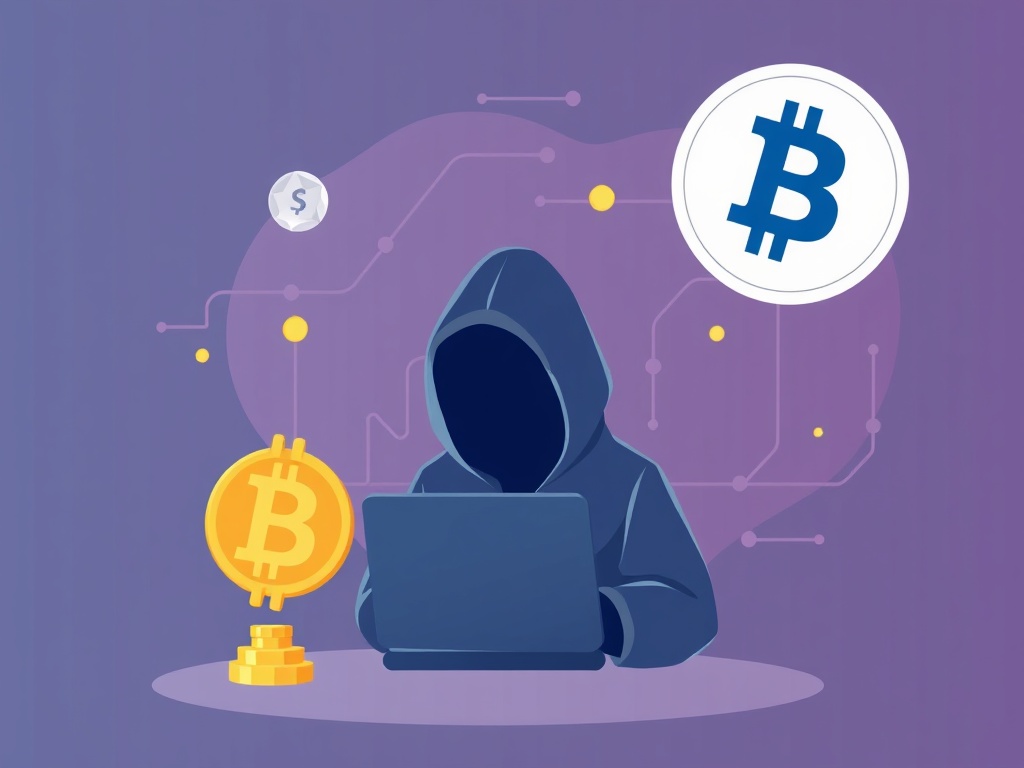
In the rapidly evolving world of digital finance, state cryptocurrency privacy has emerged as a critical topic for governments, financial institutions, and individual users alike. As cryptocurrencies like Bitcoin and Ethereum gain mainstream adoption, the tension between regulatory transparency and user anonymity has intensified. This comprehensive guide explores the complexities of state cryptocurrency privacy, examining its implications, challenges, and the technologies designed to protect financial privacy in an increasingly surveilled digital economy.
The Evolution of Cryptocurrency Privacy: From Bitcoin to Modern Solutions
The concept of state cryptocurrency privacy has undergone significant transformation since Bitcoin's inception in 2009. Initially, cryptocurrencies were hailed as anonymous, decentralized alternatives to traditional banking systems. However, the transparent nature of blockchain technology quickly revealed that while transactions are pseudonymous, they are not entirely private.
The Pseudonymous Nature of Early Cryptocurrencies
Bitcoin transactions are recorded on a public ledger, where addresses appear as strings of characters rather than real-world identities. This pseudonymous system was designed to protect user privacy while maintaining transaction transparency. However, several factors have eroded this initial privacy model:
- Blockchain analysis tools: Companies like Chainalysis and CipherTrace have developed sophisticated software that can trace Bitcoin transactions through multiple addresses, often linking them to real-world identities through exchange KYC (Know Your Customer) data.
- Address reuse: Many users inadvertently compromise their privacy by reusing Bitcoin addresses, creating identifiable patterns that can be analyzed.
- IP address tracking: While not part of the blockchain itself, transaction broadcasting can reveal IP addresses, potentially linking transactions to specific users.
The Rise of Privacy-Focused Cryptocurrencies
In response to these privacy concerns, developers created cryptocurrencies specifically designed to enhance state cryptocurrency privacy. Notable examples include:
- Monero (XMR): Utilizes ring signatures, stealth addresses, and confidential transactions to obscure sender, recipient, and transaction amounts.
- Zcash (ZEC): Implements zk-SNARKs (zero-knowledge proofs) to allow transactions to be verified without revealing any details about them.
- Dash: Offers a "PrivateSend" feature that mixes transactions with others to obscure their origin.
- Grin and Beam: Implement the Mimblewimble protocol, which combines transactions in a way that makes it difficult to trace individual payments.
These privacy coins represent a significant advancement in state cryptocurrency privacy, offering users tools to protect their financial information from prying eyes. However, their adoption has also sparked regulatory scrutiny and debates about the balance between privacy and illicit activity prevention.
Regulatory Landscape: How Governments Approach Cryptocurrency Privacy
The regulatory environment surrounding state cryptocurrency privacy varies significantly across jurisdictions, reflecting different priorities between financial transparency and individual privacy rights. Understanding these regulatory approaches is crucial for both users seeking privacy and businesses operating in the cryptocurrency space.
Strict Regulation: The Case of the United States
The U.S. has taken a particularly aggressive stance toward cryptocurrency privacy, particularly concerning privacy coins. Key regulatory developments include:
- Financial Crimes Enforcement Network (FinCEN): Requires cryptocurrency exchanges to comply with anti-money laundering (AML) and know-your-customer (KYC) regulations, effectively reducing the anonymity of users who transact through regulated platforms.
- Internal Revenue Service (IRS): Has issued guidance on cryptocurrency taxation and has actively pursued blockchain analysis firms to track tax evaders.
- Travel Rule Implementation: The Financial Action Task Force (FATF) has extended its Travel Rule to cryptocurrency transactions, requiring exchanges to share customer information for transactions over $1,000.
- Proposed legislation: Bills like the "Cryptocurrency Act of 2020" seek to classify cryptocurrencies and impose stricter oversight on privacy-enhancing technologies.
European Union's Balanced Approach
The EU has adopted a more nuanced approach to state cryptocurrency privacy, attempting to balance financial transparency with individual rights. Key regulations include:
- Fifth Anti-Money Laundering Directive (5AMLD): Extended AML requirements to cryptocurrency exchanges and wallet providers, requiring them to implement KYC procedures.
- General Data Protection Regulation (GDPR): While not cryptocurrency-specific, GDPR's provisions on data protection have implications for how blockchain data can be handled, particularly regarding the "right to be forgotten."
- Markets in Crypto-Assets Regulation (MiCA): Expected to provide comprehensive regulation for cryptocurrency markets across the EU, with specific provisions for stablecoins and potentially privacy coins.
The EU's approach recognizes the legitimate need for state cryptocurrency privacy while acknowledging the risks of illicit activities. This balanced perspective has led to some of the most sophisticated regulatory frameworks in the world.
Asian Jurisdictions: Divergent Approaches
Asia presents a diverse regulatory landscape regarding state cryptocurrency privacy, with some countries embracing innovation and others imposing strict controls:
- Japan: Recognized Bitcoin as legal tender in 2017 and has implemented comprehensive AML regulations while allowing privacy coins to circulate.
- South Korea: Initially banned privacy coins but later reversed course, allowing their trade while maintaining strict AML requirements for exchanges.
- China: Has taken an outright hostile stance toward cryptocurrencies, banning privacy coins and implementing a centralized digital currency (CBDC) that offers no true privacy.
- Singapore: Adopted a technology-neutral approach, regulating cryptocurrency businesses while allowing privacy-enhancing technologies to flourish within legal boundaries.
Technological Solutions for State Cryptocurrency Privacy
As governments intensify their scrutiny of cryptocurrency transactions, developers continue to innovate privacy-preserving technologies. These solutions aim to provide robust state cryptocurrency privacy while remaining compliant with regulatory requirements where possible.
CoinJoin and Transaction Mixing Services
CoinJoin represents one of the earliest and most widely adopted privacy-enhancing technologies in the Bitcoin ecosystem. This technique works by combining multiple transactions from different users into a single transaction, making it difficult to determine which input corresponds to which output.
Popular CoinJoin implementations include:
- Wasabi Wallet: A Bitcoin wallet that implements Chaumian CoinJoin, requiring users to pay a coordination fee while maintaining strong privacy guarantees.
- Samourai Wallet: Offers several privacy features including Stonewall, which makes transactions appear as if they're part of a CoinJoin even when they're not.
- JoinMarket: A decentralized CoinJoin implementation that allows users to earn fees by acting as liquidity providers.
While effective, CoinJoin services face regulatory challenges as they can be used to obscure illicit transactions. Some jurisdictions have pressured exchanges to delist Bitcoin after it has been mixed, creating a cat-and-mouse game between privacy advocates and regulators.
Stealth Addresses and Confidential Transactions
Privacy-focused cryptocurrencies like Monero have pioneered advanced cryptographic techniques to enhance state cryptocurrency privacy:
- Stealth addresses: Generate a unique, one-time address for each transaction, preventing the linking of transactions to a user's public address. This makes it impossible to determine how much money a user has received.
- Ring signatures: Allow a transaction to be signed by a group of possible signers, making it impossible to determine which member of the group actually authorized the transaction.
- Confidential transactions: Hide the transaction amount while still allowing the network to verify that no coins are created or destroyed. This prevents observers from determining how much value is being transferred.
These technologies collectively make Monero transactions virtually untraceable, providing strong state cryptocurrency privacy guarantees. However, their effectiveness has led to Monero being delisted by several major cryptocurrency exchanges, particularly in the U.S. and Japan.
Zero-Knowledge Proofs and zk-SNARKs
Zcash's implementation of zk-SNARKs (Zero-Knowledge Succinct Non-Interactive Arguments of Knowledge) represents one of the most sophisticated privacy technologies in the cryptocurrency space. These cryptographic proofs allow transactions to be verified without revealing any information about them.
Key aspects of zk-SNARKs include:
- Succinctness: The proof is small enough to be verified quickly, even for complex transactions.
- Non-interactivity: No back-and-forth communication is required between the prover and verifier.
- Zero-knowledge: The verifier learns nothing about the transaction details beyond its validity.
While zk-SNARKs provide exceptional state cryptocurrency privacy, they come with significant computational overhead and have faced criticism regarding their trusted setup phase, which requires generating a common reference string that could theoretically be used to create counterfeit coins if compromised.
Lightning Network and Off-Chain Solutions
The Lightning Network, a second-layer solution for Bitcoin, offers privacy benefits by routing transactions through payment channels rather than broadcasting them to the entire network. This approach provides several privacy advantages:
- Reduced on-chain footprint: Only the opening and closing of payment channels are recorded on the blockchain, while individual transactions remain off-chain.
- Payment routing obfuscation: The actual path of a payment is hidden from intermediate nodes, making it difficult to trace transactions.
- Amount privacy: While channel balances are public, the specific amounts transferred within a channel are not visible to the network.
However, Lightning Network privacy is not absolute. Payment decorators and other analysis techniques can still reveal information about transactions. Additionally, the need to open channels with on-chain transactions can compromise privacy if not done carefully.
Challenges and Limitations of State Cryptocurrency Privacy
While technological solutions continue to advance, state cryptocurrency privacy faces numerous challenges that limit its effectiveness in practice. Understanding these limitations is crucial for users seeking to protect their financial privacy.
Blockchain Analysis and Heuristics
Despite privacy-enhancing technologies, blockchain analysis firms have developed sophisticated techniques to deanonymize cryptocurrency transactions:
- Address clustering: Identifying which addresses belong to the same wallet through transaction patterns and behavior analysis.
- Change address detection: Recognizing that the "change" from a transaction often goes back to the sender's wallet, revealing ownership patterns.
- Behavioral analysis: Tracking transaction timing, amounts, and frequency to identify likely owners of addresses.
- IP address correlation: Linking transaction broadcasts to IP addresses, particularly when users connect to nodes directly.
These techniques have proven effective even against privacy coins like Monero in some cases, demonstrating that state cryptocurrency privacy is not absolute.
Regulatory Pressure and Exchange Delistings
The regulatory environment poses significant challenges to privacy-focused cryptocurrencies:
- Exchange delistings: Major exchanges in the U.S. and Japan have delisted privacy coins like Monero, Dash, and Zcash, making it difficult for users to acquire or exchange them without using decentralized exchanges or peer-to-peer platforms.
- KYC/AML requirements: Even when privacy coins are available, exchanges typically require full KYC compliance, negating many of the privacy benefits.
- Travel Rule compliance: The FATF's Travel Rule requires exchanges to share customer information for transactions involving privacy coins, potentially compromising the privacy of both sender and recipient.
- Banking restrictions: Some banks have begun refusing services to businesses that deal with privacy-enhancing cryptocurrencies, creating additional barriers to their use.
User Error and Operational Security
Many privacy breaches result from user mistakes rather than technological failures:
- Metadata leakage: Sharing cryptocurrency addresses publicly, using the same address multiple times, or linking addresses to real-world identities through social media or other online activity.
- Poor wallet hygiene: Not using dedicated privacy-focused wallets, failing to enable all available privacy features, or mixing coins from different sources.
- Operational security failures: Using the same device for cryptocurrency transactions and other online activities, failing to use VPNs or Tor, or storing private keys insecurely.
- Transaction graph analysis: Even with privacy coins, the pattern of transactions can reveal information about user behavior and relationships between addresses.
Best Practices for Maintaining State Cryptocurrency Privacy
While perfect state cryptocurrency privacy remains elusive, users can significantly enhance their financial privacy by following best practices and utilizing available tools effectively. This section outlines practical steps for maintaining privacy in the cryptocurrency ecosystem.
Wallet Selection and Management
Choosing the right wallet is the first and most important step in maintaining state cryptocurrency privacy:
- Use dedicated privacy wallets: Wallets like Wasabi, Samourai, or Monero's official GUI wallet are specifically designed with privacy in mind.
- Avoid reusing addresses: Generate a new address for each transaction to prevent address reuse analysis.
- Use hierarchical deterministic (HD) wallets: These wallets generate new addresses from a single seed, making backup and management easier while maintaining privacy.
- Consider hardware wallets: For large amounts, hardware wallets provide better security against malware and keyloggers that could compromise your privacy.
- Avoid web wallets: Web-based wallets often log IP addresses and other identifying information, compromising your privacy.
Transaction Practices
How you conduct transactions significantly impacts your state cryptocurrency privacy:
- Use CoinJoin services: When using Bitcoin or other transparent cryptocurrencies, participate in CoinJoin transactions to break the transaction graph.
- Leverage privacy coins: For sensitive transactions, consider using privacy-focused cryptocurrencies like Monero or Zcash when possible.
- Batch transactions: Combine multiple payments into a single transaction to reduce the amount of data available to analysts.
- Avoid change addresses: When possible, send exact amounts to avoid creating change addresses that can be linked to your wallet.
- Use mixing services cautiously: While mixing services can enhance privacy, some jurisdictions consider them suspicious, and they may not be available in all regions.
Operational Security (OpSec)
Maintaining strong operational security is essential for protecting your state cryptocurrency privacy:
- Use a dedicated device: Have a separate computer or smartphone for cryptocurrency transactions that isn't used for other online activities.
- Enable full-disk encryption: Protect your device from physical access and malware that could compromise your privacy.
- Use a VPN or Tor: Route your internet traffic through a VPN or Tor to prevent IP address tracking and location identification.
- Disable unnecessary services: Turn off Bluetooth, Wi-Fi, and other services that could leak identifying information.
- Be cautious with metadata: Avoid posting cryptocurrency addresses on social media, forums, or other public platforms where they can be linked to your identity.
- Use dedicated email addresses: Create separate email accounts for cryptocurrency activities to prevent correlation with your primary identity.
Exchange and Service Selection
The services you use to acquire and exchange cryptocurrencies can significantly impact your state cryptocurrency privacy:
- Use decentralized exchanges (DEXs): Platforms like Bisq, Hodl Hodl, or local peer-to-peer marketplaces often have fewer KYC requirements than centralized exchanges.
- Avoid regulated exchanges: Major exchanges typically require full KYC compliance, which defeats the purpose of using privacy-enhancing cryptocurrencies.
- Use privacy-focused services:
 David ChenDigital Assets Strategist
The Future of Financial Sovereignty: State Cryptocurrency Privacy in the Digital Age
As a digital assets strategist with deep roots in both traditional finance and cryptocurrency markets, I’ve observed that state cryptocurrency privacy is not merely a technical challenge—it’s a fundamental redefinition of financial sovereignty in the 21st century. Governments worldwide are increasingly exploring sovereign digital currencies (CBDCs) as tools for monetary policy, financial inclusion, and surveillance. Yet, the tension between transparency and privacy remains unresolved. From a quantitative perspective, privacy-preserving mechanisms such as zero-knowledge proofs or ring signatures are critical for maintaining user trust, especially in jurisdictions where financial autonomy is under threat. However, these solutions must coexist with regulatory demands for compliance and anti-money laundering (AML) standards. The key lies in designing privacy features that are opt-in rather than systemic, allowing users to balance confidentiality with accountability.
Practically speaking, state cryptocurrency privacy will shape market microstructure in profound ways. For institutional investors, the ability to transact without exposing sensitive financial data to third parties could reduce systemic risks tied to front-running or market manipulation. On-chain analytics firms like Chainalysis or TRM Labs will need to adapt their tools to distinguish between legitimate privacy use cases and illicit activity, lest they become tools of overreach. Meanwhile, retail users in authoritarian regimes may find refuge in privacy-enhanced CBDCs, but only if these systems are decentralized enough to resist censorship. The most forward-thinking jurisdictions will recognize that financial privacy is not a bug to be patched out but a feature to be engineered with care—one that preserves the integrity of the monetary system while safeguarding individual rights.