Understanding Clipboard Malware Crypto: The Silent Threat to Your Digital Assets
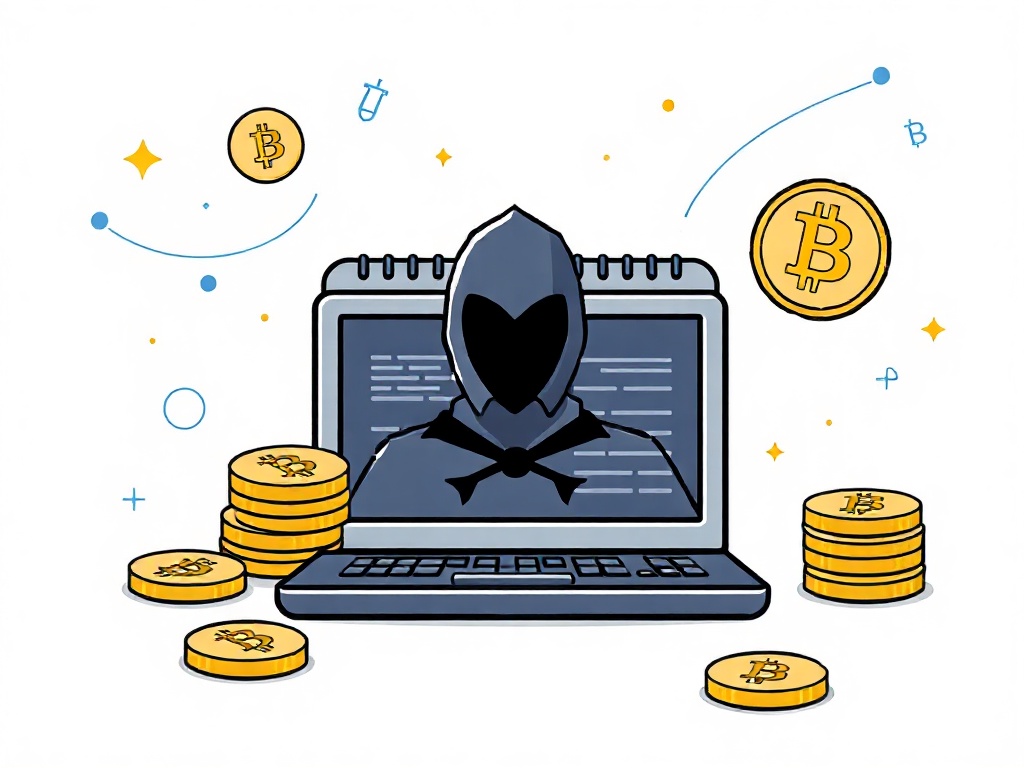
In the rapidly evolving world of cryptocurrency, security remains a paramount concern for investors, traders, and enthusiasts alike. Among the myriad of cyber threats lurking in the digital landscape, clipboard malware crypto has emerged as a particularly insidious and hard-to-detect menace. This sophisticated form of malware operates silently in the background, hijacking clipboard data to redirect cryptocurrency transactions to attackers' wallets instead of the intended recipients. As the clipboard malware crypto threat grows in sophistication, understanding its mechanics, recognizing its signs, and implementing robust preventive measures has become essential for safeguarding digital assets.
This comprehensive guide delves deep into the world of clipboard malware crypto, exploring its origins, operational mechanisms, real-world impact, and most importantly, how you can protect yourself from falling victim to this invisible predator. Whether you're a seasoned crypto investor or just beginning your journey in the blockchain ecosystem, this article will equip you with the knowledge needed to navigate the digital currency landscape safely.
What Is Clipboard Malware Crypto and How Does It Work?
Clipboard malware crypto represents a specialized category of malicious software designed to monitor and manipulate clipboard activity on infected devices. Unlike traditional malware that might encrypt files or steal login credentials, this particular threat focuses on cryptocurrency transactions by altering wallet addresses during copy-paste operations. The attack vector is both simple in concept and devastating in execution, making it a favorite tool among cybercriminals targeting the crypto community.
The Evolution of Clipboard Malware in the Crypto Space
The concept of clipboard manipulation isn't new—malware authors have exploited this technique since the early days of personal computing. However, the rise of cryptocurrency in the 2010s provided fertile ground for this attack vector to flourish. Early instances of clipboard malware crypto were relatively crude, often replacing Bitcoin addresses with those controlled by attackers. As blockchain technology advanced and new cryptocurrencies emerged, malware developers refined their techniques to support multiple wallet formats and address types.
By 2017-2018, security researchers began documenting sophisticated clipboard malware crypto campaigns targeting major cryptocurrencies like Bitcoin, Ethereum, and Litecoin. These attacks evolved from simple string replacement to more complex behaviors, including:
- Dynamic address generation based on the copied content
- Context-aware replacement that considers the cryptocurrency being transferred
- Multi-stage infection processes that evade detection
- Integration with other malware families for enhanced persistence
Today, clipboard malware crypto represents a mature threat landscape with professional cybercriminal groups offering malware-as-a-service to less technically inclined attackers. The proliferation of decentralized finance (DeFi) platforms and the increasing complexity of wallet addresses have only expanded the attack surface for these malicious actors.
Technical Breakdown: How Clipboard Malware Crypto Operates
Understanding the technical workings of clipboard malware crypto requires examining both the infection process and the operational mechanics once the malware is active on a victim's system. The attack typically unfolds in several distinct phases:
- Initial Infection:
- Malware is distributed through phishing emails containing malicious attachments or links
- Fake software updates or cracked applications serve as common delivery mechanisms
- Drive-by downloads from compromised websites can also initiate infections
- Persistence Establishment:
- The malware installs itself in system startup processes
- It may create registry entries or scheduled tasks for continued operation
- Some variants employ rootkit techniques to hide from antivirus detection
- Clipboard Monitoring:
- The malware hooks into system clipboard APIs to monitor copy operations
- It analyzes clipboard content for patterns matching cryptocurrency wallet addresses
- Advanced variants can detect partial address matches and complete them
- Address Replacement:
- When a wallet address is copied to the clipboard, the malware replaces it with an attacker-controlled address
- The replacement address typically belongs to a wallet supporting multiple cryptocurrencies
- Some sophisticated variants generate new addresses dynamically for each transaction
- Transaction Execution:
- The victim pastes the malicious address into their wallet application
- The transaction is sent to the attacker's wallet instead of the intended recipient
- Some malware variants monitor the clipboard for transaction confirmation screens
What makes clipboard malware crypto particularly dangerous is its ability to operate undetected for extended periods. Victims may not realize they've been compromised until they check blockchain explorers or receive confirmation that their funds haven't arrived at their intended destination. By this time, the stolen cryptocurrency may have already been laundered through multiple wallets and exchanges, making recovery nearly impossible.
Common Cryptocurrencies Targeted by Clipboard Malware
While clipboard malware crypto can theoretically target any cryptocurrency that uses wallet addresses, certain digital assets have proven particularly vulnerable due to their popularity and address formats. The most commonly targeted cryptocurrencies include:
- Bitcoin (BTC): The original cryptocurrency remains a prime target due to its widespread adoption and high value. Bitcoin addresses (both legacy and SegWit formats) are frequently manipulated by malware.
- Ethereum (ETH) and ERC-20 Tokens: The Ethereum network's complex address structure and the proliferation of ERC-20 tokens make it a favorite target. Malware often replaces Ethereum addresses with similar-looking attacker-controlled addresses.
- Litecoin (LTC): With its Bitcoin-derived codebase, Litecoin addresses are structurally similar to Bitcoin's, making them susceptible to the same manipulation techniques.
- Dogecoin (DOGE): Despite its meme origins, Dogecoin's popularity has made it a target for clipboard malware crypto campaigns, particularly during periods of heightened market activity.
- Monero (XMR): Privacy-focused cryptocurrencies like Monero present unique challenges for malware developers due to their stealth features, but attackers have still developed techniques to manipulate XMR addresses.
- Binance Coin (BNB) and Other Exchange Tokens: As exchange-native tokens gain prominence, malware developers have expanded their targeting to include these assets.
It's important to note that modern clipboard malware crypto variants often support multiple cryptocurrencies simultaneously, automatically detecting the type of wallet address being copied and replacing it with an appropriate attacker-controlled address. This multi-currency capability increases the malware's effectiveness and potential yield for cybercriminals.
Real-World Impact: Case Studies of Clipboard Malware Crypto Attacks
The silent nature of clipboard malware crypto makes it challenging to quantify its exact impact, but several high-profile incidents and research studies have shed light on the scope of this threat. Examining these real-world cases provides valuable insights into how these attacks unfold and their devastating consequences for victims.
The 2018 Electrum Wallet Phishing Campaign
One of the most notorious clipboard malware crypto incidents involved a widespread phishing campaign targeting Electrum wallet users in late 2018. Attackers distributed malicious software through fake Electrum wallet updates and phishing emails that appeared to originate from the official Electrum team.
The malware, once installed, would monitor clipboard activity for Bitcoin addresses. When users copied a Bitcoin address to send funds, the malware would replace it with an address controlled by the attackers. In some cases, the malware would also display a fake "update" notification prompting users to enter their seed phrases, providing additional avenues for theft.
According to security researchers, this campaign resulted in the theft of approximately 245 BTC (worth around $1 million at the time) over a two-week period. The attack demonstrated how even well-established wallet software could be compromised through clipboard malware crypto techniques, highlighting the need for enhanced security measures in the crypto ecosystem.
Operation CryptoSniffer: A Sophisticated Malware Campaign
In 2020, cybersecurity firm Sophos uncovered a particularly sophisticated clipboard malware crypto campaign dubbed "Operation CryptoSniffer." This attack employed multiple layers of obfuscation and evasion techniques to avoid detection while targeting a wide range of cryptocurrencies.
The malware utilized several innovative features:
- Multi-stage infection: The initial payload was delivered through a malicious Excel document that downloaded additional components only when certain conditions were met.
- Context-aware replacement: The malware could detect which cryptocurrency was being transferred and replace the address with one appropriate for that specific asset.
- Dynamic address generation: Some variants generated new wallet addresses on the fly, making it difficult for victims to notice the substitution.
- Anti-analysis techniques: The malware employed sandbox evasion, debugger detection, and virtual machine detection to hinder security research.
Operation CryptoSniffer targeted over 50 different cryptocurrency wallet addresses, including those for Bitcoin, Ethereum, Ripple, and various altcoins. Researchers estimated that the campaign had already stolen approximately $2.7 million in cryptocurrency by the time it was discovered. The operation's sophistication suggested involvement by experienced cybercriminal groups with significant resources at their disposal.
DeFi Platform Exploits Leveraging Clipboard Malware
As decentralized finance (DeFi) platforms gained popularity, cybercriminals began adapting clipboard malware crypto techniques to target these innovative financial instruments. One notable incident involved a campaign targeting users of a popular DeFi yield farming platform.
The attackers distributed malware through fake "DeFi arbitrage bots" that promised users high returns on their investments. Once installed, the malware would monitor clipboard activity for Ethereum addresses, particularly those associated with DeFi protocols. When users copied a deposit address or smart contract interaction address, the malware would replace it with an attacker-controlled address.
In one particularly brazen attack, the malware replaced addresses for a popular liquidity pool with addresses controlled by the attackers. Over a period of several weeks, the campaign siphoned approximately $1.3 million in various ERC-20 tokens from unsuspecting users. The incident highlighted how clipboard malware crypto had evolved to target the rapidly expanding DeFi ecosystem.
Mobile Clipboard Malware: The Rising Threat on Smart Devices
While much attention has focused on desktop-based clipboard malware crypto, mobile devices have become an increasingly attractive target for cybercriminals. The proliferation of mobile cryptocurrency wallets and the tendency of users to copy-paste addresses on their smartphones have created new opportunities for attackers.
In 2021, security researchers identified a family of Android malware that specifically targeted clipboard activity on mobile devices. The malware, distributed through fake cryptocurrency wallet applications and malicious APK files, would monitor clipboard content for cryptocurrency addresses and replace them with attacker-controlled addresses.
One particularly insidious variant targeted users of a popular mobile Bitcoin wallet by replacing Bitcoin addresses with addresses controlled by the attackers. The malware also displayed fake transaction confirmation screens to further deceive victims. Researchers estimated that this campaign had affected thousands of users before being detected, with losses ranging from small amounts to several thousand dollars per victim.
The mobile threat landscape for clipboard malware crypto continues to evolve as more users conduct cryptocurrency transactions on their smartphones. The combination of less robust security measures on mobile devices and the convenience of copy-paste operations makes smartphones an attractive target for cybercriminals.
Lessons Learned from High-Profile Clipboard Malware Incidents
Analyzing these real-world incidents reveals several key patterns and lessons that can help users and security professionals better understand and defend against clipboard malware crypto:
- Sophistication is increasing: Modern clipboard malware crypto campaigns employ advanced evasion techniques, multi-stage infections, and context-aware replacements that make detection increasingly difficult.
- Target scope is expanding: While Bitcoin and Ethereum remain primary targets, malware developers are increasingly focusing on altcoins, DeFi platforms, and mobile wallets.
- Social engineering plays a crucial role: Most infections begin with phishing emails, fake software updates, or malicious downloads, highlighting the importance of user education.
- Detection is challenging: The silent nature of these attacks means victims often don't realize they've been compromised until it's too late to recover their funds.
- Recovery is nearly impossible: Once cryptocurrency is sent to an attacker-controlled address, the immutable nature of blockchain transactions makes recovery extremely difficult, if not impossible.
These case studies underscore the critical importance of proactive security measures and constant vigilance in the face of the evolving clipboard malware crypto threat landscape.
Recognizing the Signs of Clipboard Malware Crypto Infection
Detecting clipboard malware crypto is notoriously difficult due to its stealthy operation and sophisticated evasion techniques. However, being aware of the warning signs can help users identify potential infections before significant damage occurs. Recognizing these indicators requires a combination of technical awareness and behavioral observation.
Behavioral Red Flags That May Indicate Infection
While not definitive proof of clipboard malware crypto infection, certain behavioral patterns may suggest that your device has been compromised. These red flags often become apparent during cryptocurrency transactions:
- Unexpected transaction failures: If transactions frequently fail or return errors when sending cryptocurrency, it could indicate that the addresses you're using have been altered by malware.
- Unusual wallet behavior: Some malware variants modify wallet application behavior, such as displaying incorrect balances or transaction histories.
- Slow system performance: While not exclusive to clipboard malware crypto, sudden slowdowns or increased resource usage may indicate malicious activity.
- Unexpected network activity: Unusual data transmission or connections to unknown servers may suggest malware communication with command-and-control servers.
- Browser anomalies: Some malware variants inject scripts into browsers that modify clipboard behavior or display fake transaction screens.
It's important to note that these symptoms can also indicate other types of malware or system issues. However, when combined with cryptocurrency transaction problems, they warrant immediate investigation.
Technical Indicators of Clipboard Malware Crypto
From a technical perspective, several indicators may suggest the presence of clipboard malware crypto on your system. These signs often require more advanced diagnostic tools to detect:
- Unusual clipboard activity: Some security tools can monitor clipboard operations and alert users to suspicious replacements or modifications.
- Unknown processes in Task Manager: Malware often runs as background processes with names designed to blend in with legitimate system processes.
- Modified system files: Advanced malware may alter system files or registry entries to maintain persistence.
- Network connections to suspicious domains: Malware often communicates with command-and-control servers to receive updates or exfiltrate stolen data.
- Browser extension anomalies: Some malware variants install malicious browser extensions that modify webpage content or clipboard behavior.
Professional security tools and antivirus software can help detect these technical indicators, but they're not foolproof against the most sophisticated clipboard malware crypto variants.
How to Check for Clipboard Malware Crypto Infection
If you suspect your device may be infected with clipboard malware crypto, several diagnostic steps can help confirm or rule out the infection:
- Manual Address Verification:
Before sending any cryptocurrency, manually verify the wallet address by:
- Comparing the first and last 6 characters of the address with the intended recipient
- Using a blockchain explorer to confirm the address belongs to the intended recipient
- Double-checking the address on a different device or network
- Clipboard Monitoring:
Use specialized tools to monitor clipboard activity:
- Windows users can use the built-in "Clipboard History" feature (Windows key + V) to review recent clipboard content
- Third-party clipboard managers can provide more detailed monitoring capabilities
- Security software with clipboard monitoring features can alert users to suspicious changes
- System Process Inspection:
Examine running processes for suspicious activity:
- Open Task
 Robert HayesDeFi & Web3 Analyst
The Rising Threat of Clipboard Malware Crypto in Web3: A DeFi Analyst’s Perspective
As a DeFi and Web3 analyst, I’ve observed a troubling trend in the proliferation of clipboard malware crypto attacks targeting unsuspecting users. These insidious pieces of malware monitor clipboard activity, replacing cryptocurrency wallet addresses with attacker-controlled ones to siphon funds during transactions. The sophistication of these attacks has grown alongside the adoption of Web3, making them a critical threat to both retail and institutional participants. Unlike traditional phishing, clipboard malware operates silently in the background, requiring no user interaction beyond a simple copy-paste error. This makes it particularly dangerous in decentralized ecosystems where transaction finality is irreversible.
From a practical standpoint, the best defense against clipboard malware crypto is a combination of vigilance and technical safeguards. Users should always verify wallet addresses manually before pasting, especially when dealing with large transfers. Hardware wallets and transaction simulation tools can provide an additional layer of security by allowing users to preview transaction details before execution. For DeFi protocols, integrating address verification APIs or requiring multi-signature confirmations for high-value transactions can mitigate risks. The cat-and-mouse nature of this threat means staying informed about new variants and adopting a zero-trust approach to clipboard interactions is essential for safeguarding assets in the Web3 space.
- Open Task