Understanding Atomic Swap Exchange: A Revolutionary Approach to Cryptocurrency Trading
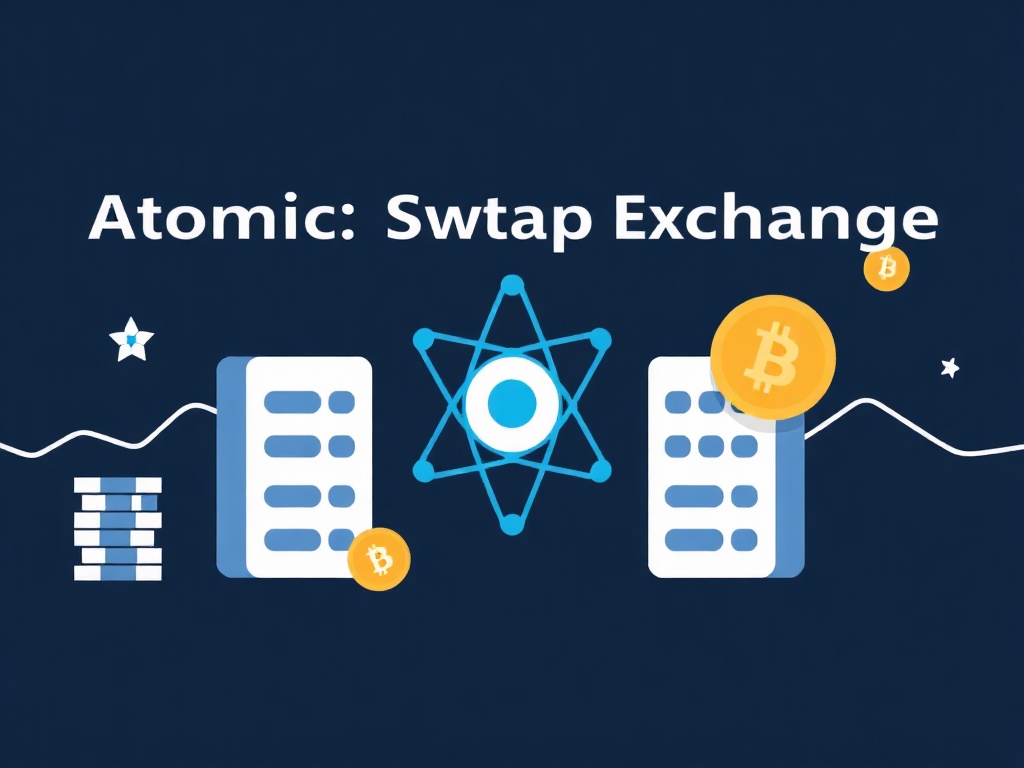
In the ever-evolving world of cryptocurrency, innovation continues to reshape how users interact with digital assets. One of the most groundbreaking advancements in recent years is the atomic swap exchange, a technology that promises to eliminate intermediaries and enhance security in peer-to-peer transactions. Unlike traditional exchanges that rely on centralized platforms, atomic swaps enable direct trading between users across different blockchains, fostering a more decentralized and efficient ecosystem.
For those unfamiliar with the concept, an atomic swap exchange might seem complex at first glance. However, its underlying principles are rooted in cryptographic security and smart contract functionality. This article delves deep into the mechanics, benefits, challenges, and future prospects of atomic swap exchanges, providing readers with a comprehensive understanding of this transformative technology.
The Fundamentals of Atomic Swap Exchange
What Is an Atomic Swap Exchange?
An atomic swap exchange is a decentralized mechanism that allows users to trade cryptocurrencies directly from one blockchain to another without relying on a third-party intermediary. The term "atomic" refers to the all-or-nothing nature of the transaction—either the entire swap occurs successfully, or it is entirely canceled, ensuring that neither party can cheat the system.
This technology leverages hash time-locked contracts (HTLCs), which are smart contracts that enforce the conditions of the swap. For example, if Alice wants to send Bitcoin to Bob in exchange for Litecoin, both parties must agree to the terms. The HTLC ensures that the transaction only completes if both cryptocurrencies are exchanged simultaneously. If either party fails to meet the conditions, the funds are automatically returned to their original owners.
How Does an Atomic Swap Exchange Work?
The process of an atomic swap exchange can be broken down into several key steps:
- Initiation: Two parties agree to exchange cryptocurrencies and specify the amounts and blockchains involved.
- Creation of HTLCs: Each party generates a unique cryptographic hash and sets a time lock. The sender locks their funds in a smart contract that can only be unlocked with the correct hash or after a specified time period.
- Verification: The recipient verifies the hash and locks their funds in a similar HTLC. Both parties must confirm the transaction details.
- Completion: Once both HTLCs are in place, the sender reveals the secret key to unlock the recipient’s funds. The recipient then uses this key to claim the sender’s funds. The swap is now complete.
- Refund (if necessary): If one party fails to meet the conditions within the time lock, the funds are automatically returned to the original sender.
This process ensures that neither party can abscond with the funds, making atomic swap exchanges a secure and trustless method of trading cryptocurrencies.
Key Components of an Atomic Swap Exchange
Several critical components make an atomic swap exchange possible:
- Smart Contracts: Self-executing contracts that enforce the terms of the swap without the need for intermediaries.
- Hash Functions: Cryptographic functions that generate unique hashes to secure the transaction.
- Time Locks: Mechanisms that set a deadline for the transaction to be completed, ensuring funds are not locked indefinitely.
- Multi-Signature Wallets: Wallets that require multiple signatures to authorize a transaction, adding an extra layer of security.
- Cross-Chain Compatibility: The ability of different blockchains to interact and recognize transactions from one another.
These components work together to create a seamless and secure atomic swap exchange experience.
The Advantages of Using an Atomic Swap Exchange
Decentralization and Trustlessness
One of the most significant benefits of an atomic swap exchange is its decentralized nature. Traditional cryptocurrency exchanges, such as Coinbase or Binance, act as custodians of users' funds, which introduces risks like hacking, fraud, or mismanagement. In contrast, an atomic swap exchange allows users to trade directly with one another, eliminating the need for a central authority.
This trustless environment ensures that users retain full control over their funds throughout the transaction. There is no risk of the exchange freezing assets or disappearing with user deposits, as the funds are locked in smart contracts until the swap is completed or canceled.
Enhanced Security and Reduced Counterparty Risk
Security is a paramount concern in the cryptocurrency space, and atomic swap exchanges address this issue effectively. By using HTLCs, users can ensure that their funds are only released when the agreed-upon conditions are met. This eliminates the risk of one party failing to deliver after receiving funds, a common issue in traditional peer-to-peer trading.
Additionally, the use of cryptographic hashes and time locks makes it nearly impossible for malicious actors to manipulate the transaction. Even if a hacker intercepts the transaction, they would need to solve complex cryptographic puzzles to access the funds, which is computationally infeasible.
Lower Transaction Fees
Centralized exchanges often charge significant fees for trading, withdrawals, and deposits. These fees can add up, especially for users who frequently trade or move large amounts of cryptocurrency. An atomic swap exchange, on the other hand, typically incurs lower fees because it eliminates the need for intermediaries.
While users may still need to pay network fees for blockchain transactions, these costs are generally much lower than those imposed by centralized platforms. This makes atomic swap exchanges an attractive option for cost-conscious traders.
Global Accessibility and 24/7 Trading
Traditional exchanges are often restricted by geographical boundaries and operating hours. Users in certain countries may face limitations on which assets they can trade, and trading may not be available during off-hours. An atomic swap exchange transcends these barriers, allowing users from anywhere in the world to trade cryptocurrencies at any time.
This global accessibility is particularly beneficial for users in regions with limited access to traditional financial services. By leveraging blockchain technology, an atomic swap exchange empowers individuals to participate in the cryptocurrency economy without relying on centralized institutions.
Privacy and Anonymity
Privacy is a growing concern in the cryptocurrency space, especially as regulatory scrutiny increases. Many centralized exchanges require users to complete Know Your Customer (KYC) procedures, which involve submitting personal identification documents. This can compromise users' privacy and expose them to potential data breaches.
An atomic swap exchange offers a more private alternative. Since trades occur directly between users without intermediaries, there is no need for KYC verification. This allows users to maintain their anonymity while still participating in cryptocurrency trading.
Challenges and Limitations of Atomic Swap Exchange
Technical Complexity and User Experience
While the concept of an atomic swap exchange is revolutionary, its implementation can be technically complex. Users must understand how HTLCs, cryptographic hashes, and time locks work to participate effectively. This complexity can be a barrier for less tech-savvy individuals who may struggle to navigate the process.
Additionally, the user experience (UX) of many atomic swap platforms is still in its infancy. Poorly designed interfaces, lack of customer support, and confusing workflows can deter potential users. As the technology matures, developers must focus on creating intuitive and user-friendly platforms to drive adoption.
Limited Cross-Chain Support
Not all blockchains are compatible with atomic swaps. For an atomic swap exchange to work, both blockchains must support the necessary scripting languages and smart contract functionalities. Currently, most atomic swaps are limited to major cryptocurrencies like Bitcoin, Litecoin, and Ethereum, with fewer options available for smaller or less popular blockchains.
This limited cross-chain support restricts the flexibility of atomic swap exchanges. Users may find it challenging to trade niche or emerging cryptocurrencies through this method. As more blockchains adopt compatible technologies, this limitation may gradually diminish.
Liquidity and Market Depth Issues
Liquidity is a critical factor in any trading environment. Centralized exchanges benefit from high trading volumes, which ensure that users can buy or sell assets quickly and at fair prices. In contrast, atomic swap exchanges often suffer from lower liquidity, as they rely on peer-to-peer interactions rather than a centralized order book.
This lack of liquidity can lead to slower transaction times and wider bid-ask spreads, making it difficult for users to execute large trades without significantly impacting the market price. Improving liquidity in atomic swap ecosystems will be essential for their long-term success.
Regulatory Uncertainty
The decentralized nature of an atomic swap exchange presents unique regulatory challenges. Governments and financial authorities worldwide are still grappling with how to classify and regulate decentralized exchanges. Some jurisdictions may impose restrictions or outright bans on atomic swap platforms, citing concerns over money laundering, tax evasion, or lack of consumer protection.
Users and developers must stay informed about evolving regulations to ensure compliance. Failure to do so could result in legal repercussions or the shutdown of atomic swap platforms in certain regions.
Potential for Human Error
Despite the automation provided by smart contracts, human error remains a risk in atomic swap exchanges. For example, if a user enters the wrong cryptocurrency address or amount, the transaction may fail, and funds could be lost. Additionally, mistakes in setting up HTLCs or time locks could lead to unintended consequences, such as funds being locked indefinitely.
To mitigate these risks, users should double-check all transaction details before initiating a swap. Some atomic swap platforms offer educational resources and customer support to help users avoid common pitfalls.
Popular Atomic Swap Exchange Platforms
Komodo (KMD) and AtomicDEX
Komodo is one of the pioneers in atomic swap technology, and its platform, AtomicDEX, is a leading example of an atomic swap exchange. AtomicDEX is a decentralized exchange (DEX) that supports cross-chain trading between a wide range of cryptocurrencies, including Bitcoin, Ethereum, and various altcoins.
AtomicDEX offers a user-friendly interface and integrates seamlessly with Komodo’s BarterDEX technology, which facilitates atomic swaps. The platform also supports mobile and desktop applications, making it accessible to a broad audience. Additionally, AtomicDEX prioritizes privacy, allowing users to trade without completing KYC procedures.
Bisq
Bisq is another well-known decentralized exchange that utilizes atomic swap technology. Unlike traditional exchanges, Bisq operates as a peer-to-peer network, connecting buyers and sellers directly. The platform supports a wide variety of cryptocurrencies and fiat currencies, making it a versatile option for traders.
Bisq is open-source and community-driven, which enhances its transparency and security. However, its decentralized nature also means that it lacks the liquidity and user support found in centralized platforms. Despite these challenges, Bisq remains a popular choice for users seeking a truly decentralized atomic swap exchange.
ShapeShift
ShapeShift is a long-standing cryptocurrency exchange that has evolved to incorporate atomic swap technology. Originally a centralized platform, ShapeShift transitioned to a decentralized model in 2019, allowing users to trade cryptocurrencies directly without the need for an account.
The platform supports a wide range of assets and offers a seamless user experience. ShapeShift’s integration of atomic swaps has made it a go-to option for users looking to avoid KYC requirements and trade with greater privacy. However, the platform has faced criticism for its past centralized practices, and some users remain skeptical of its commitment to full decentralization.
THORChain (RUNE)
THORChain is a decentralized liquidity protocol that enables cross-chain atomic swaps. Unlike traditional atomic swap exchanges, THORChain operates as a liquidity network, allowing users to swap assets without the need for direct peer-to-peer interactions. This approach enhances liquidity and reduces the complexity of cross-chain trading.
The platform uses a native token, RUNE, to facilitate transactions and incentivize liquidity providers. THORChain’s innovative architecture has positioned it as a promising solution for the scalability and liquidity challenges faced by other atomic swap platforms.
DeFi Swap Platforms
Several decentralized finance (DeFi) platforms have begun integrating atomic swap technology to enhance their offerings. For example, platforms like 1inch and Matcha use atomic swaps to enable cross-chain trading within their ecosystems. These platforms leverage automated market makers (AMMs) and liquidity pools to improve trading efficiency and reduce slippage.
By incorporating atomic swaps, DeFi platforms can offer users a more seamless and secure trading experience while maintaining the benefits of decentralization. As the DeFi space continues to grow, atomic swap technology is likely to play an increasingly important role.
How to Get Started with an Atomic Swap Exchange
Step 1: Choose a Compatible Wallet
To participate in an atomic swap exchange, you’ll need a cryptocurrency wallet that supports atomic swaps. Popular options include:
- Atomic Wallet: A multi-currency wallet that supports atomic swaps for a wide range of cryptocurrencies.
- Trust Wallet: A mobile wallet that integrates with decentralized exchanges and supports atomic swaps.
- Exodus Wallet: A user-friendly wallet that offers atomic swap functionality for select cryptocurrencies.
- Komodo’s AtomicDEX: A dedicated atomic swap platform with built-in wallet support.
Ensure that your wallet is compatible with the cryptocurrencies you intend to trade and that it supports the specific atomic swap protocol you plan to use.
Step 2: Fund Your Wallet
Before initiating a swap, you’ll need to deposit the cryptocurrency you wish to trade into your wallet. Most wallets allow you to purchase cryptocurrencies directly using fiat currency or other digital assets. Be sure to check the supported deposit methods and fees associated with funding your wallet.
It’s also important to verify that you have enough funds to cover both the transaction amount and any associated network fees. Insufficient funds can lead to failed transactions or delays.
Step 3: Select a Trading Pair
Once your wallet is funded, navigate to the atomic swap section of your chosen platform. Select the trading pair you wish to exchange, such as Bitcoin (BTC) for Ethereum (ETH). Ensure that both cryptocurrencies are supported by the platform and that the exchange rate is favorable.
Some platforms offer real-time price feeds and order books to help you make informed trading decisions. Take the time to review the terms of the swap, including any fees or time locks involved.
Step 4: Initiate the Atomic Swap
After selecting your trading pair, initiate the atomic swap by entering the amount you wish to exchange. The platform will generate a unique HTLC and cryptographic hash for the transaction. Review the details carefully, including the recipient’s wallet address and the time lock duration.
Once you’re satisfied with the terms, confirm the transaction. The platform will then generate a secret key that you’ll need to share with the counterparty to complete the swap.
Step 5: Complete the Swap
The final step is to wait for the counterparty to verify and accept the swap. Once they do, they’ll provide you with their secret key, which you’ll use to unlock their funds. After entering the key, the transaction will be completed, and the swapped cryptocurrencies will be transferred to your wallet.
If the counterparty fails to meet the conditions within the time lock, the funds will be automatically returned to their original owner. This ensures that neither party is at a disadvantage.
Step 6: Secure Your Funds
After the swap is complete, it’s essential to secure your newly acquired cryptocurrencies. Transfer them to a secure wallet, preferably one with multi-signature or hardware wallet support. Avoid leaving funds in exchange wallets for extended periods, as this increases the risk of theft or loss.
Regularly update your wallet software and follow best practices for cryptocurrency security, such as using strong passwords and enabling two-factor authentication (2FA).
The Future of Atomic Swap Exchange
Advancements in Cross-Chain Technology
The future of atomic swap exchange looks promising, with ongoing advancements in cross-chain technology poised to enhance its capabilities. Projects like Polkadot, Cosmos, and Wanchain are developing interoperability solutions that will enable seamless communication between different blockchains. As these technologies mature, atomic swaps will become more accessible and efficient, supporting a broader range of cryptocurrencies.
Additionally, the rise of layer-2 scaling solutions, such as

The Future of Cross-Chain Trading: Why Atomic Swap Exchanges Are a Game-Changer
As a certified financial analyst with over a decade of experience in cryptocurrency investments, I’ve seen firsthand how fragmented liquidity and siloed blockchain ecosystems can hinder investor efficiency. Atomic swap exchanges represent a critical innovation in this space, enabling trustless, peer-to-peer trading across different blockchains without intermediaries like centralized exchanges. This technology not only reduces counterparty risk but also eliminates the need for wrapped tokens or custodial solutions, which are often vulnerable to hacks or regulatory scrutiny. For institutional and retail investors alike, atomic swaps offer a more secure and cost-effective way to diversify portfolios while maintaining full control over assets.
From a practical standpoint, atomic swap exchanges are still in their relative infancy, with limited adoption compared to traditional exchanges. However, their potential to streamline cross-chain arbitrage and reduce slippage makes them a compelling tool for savvy investors. I recommend clients explore platforms like COMIT or Atomic Wallet, which integrate atomic swap functionality. While liquidity remains a challenge, the long-term benefits—such as lower fees, enhanced privacy, and true decentralization—could redefine how we approach digital asset trading. Investors should monitor developments in this space closely, as atomic swaps may soon become a standard feature in the crypto ecosystem.