The Ultimate Guide to Bitcoin Mixer Services: Enhancing Privacy and Security in Crypto Transactions

In the rapidly evolving world of cryptocurrency, privacy and anonymity have become paramount concerns for users. As blockchain technology continues to gain mainstream adoption, the transparency of public ledgers like Bitcoin’s has raised questions about financial privacy. This is where a bitcoin mixer service comes into play. A bitcoin mixer service, also known as a Bitcoin tumbler or crypto mixer, is a tool designed to obscure the transactional history of digital assets by mixing them with other coins. This guide explores the intricacies of bitcoin mixer services, their benefits, risks, and how to choose the best one for your needs.
Understanding Bitcoin Mixer Services: How They Work
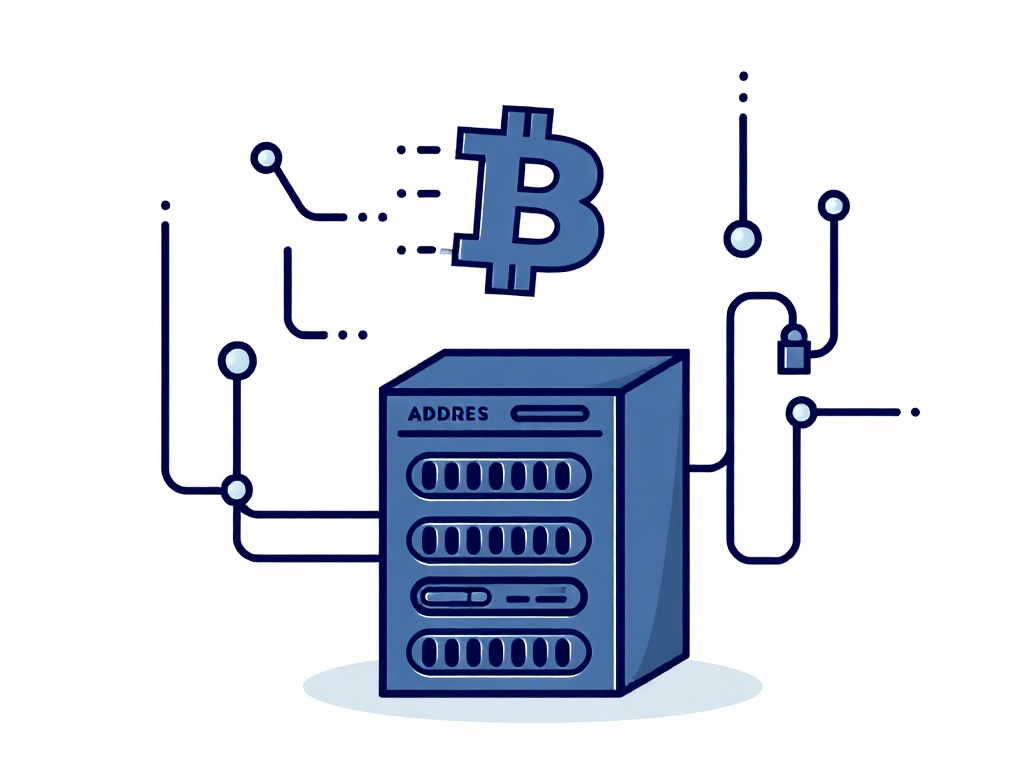
A bitcoin mixer service operates by taking your Bitcoins and combining them with a pool of coins from other users. The service then redistributes the funds back to the original owners, but in a way that severs the direct link between the sender and receiver addresses. This process effectively "mixes" the transaction trail, making it extremely difficult for third parties to trace the origin or destination of the funds.
The Core Mechanism of Bitcoin Mixers
Most bitcoin mixer services follow a similar process:
- Deposit: You send your Bitcoins to the mixer’s deposit address. This address is unique to your transaction and is not tied to your personal wallet.
- Mixing: The service pools your coins with those of other users. The mixing process involves breaking down your transaction into smaller parts and combining them with other transactions to create a complex web of transfers.
- Redistribution: After a set period (usually a few hours), the mixed Bitcoins are sent to a new address that you provide. The coins you receive are not the same ones you sent, but they are of equal value.
- Fee Payment: Most bitcoin mixer services charge a small fee, typically ranging from 1% to 3% of the transaction amount, to cover operational costs.
Types of Bitcoin Mixers
There are two primary types of bitcoin mixer services:
- Centralized Mixers: These are operated by a single entity and require you to trust the service provider with your funds. While they are often more user-friendly, they pose a higher risk of exit scams or fund mismanagement.
- Decentralized Mixers: These mixers leverage smart contracts or peer-to-peer networks to facilitate the mixing process without a central authority. They are generally considered more secure but may require a deeper understanding of blockchain technology to use effectively.
Why Use a Bitcoin Mixer Service? The Benefits Explained
Using a bitcoin mixer service offers several advantages, particularly for users who prioritize privacy and security in their financial transactions. Below are the key benefits of utilizing such services:
Enhanced Privacy and Anonymity
Bitcoin transactions are recorded on a public ledger, meaning anyone can trace the flow of funds from one address to another. This transparency can be problematic for users who wish to keep their financial activities private. A bitcoin mixer service helps mitigate this issue by breaking the link between your original address and the destination address. This makes it significantly harder for outside observers, including hackers, governments, or even nosy neighbors, to track your transactions.
Protection Against Blockchain Analysis
Blockchain analysis firms and cybercriminals often use sophisticated tools to trace Bitcoin transactions. By employing a bitcoin mixer service, you can obscure your transaction history, making it nearly impossible for these entities to follow the money trail. This is particularly useful for individuals or businesses that handle large sums of cryptocurrency and wish to avoid targeted attacks or extortion.
Compliance with Privacy Regulations
While Bitcoin itself is not anonymous, many users seek to align their financial activities with privacy regulations such as the General Data Protection Regulation (GDPR) in the European Union. A bitcoin mixer service can help users comply with these regulations by ensuring that their transaction data is not publicly accessible or easily traceable.
Preventing Targeted Theft and Fraud
If a hacker gains access to your Bitcoin address, they can monitor your transactions and target you for theft. By using a bitcoin mixer service, you can reduce the risk of such targeted attacks. Even if a hacker obtains your address, they will not be able to trace the funds once they have been mixed with other transactions.
Potential Risks and Drawbacks of Bitcoin Mixer Services
While bitcoin mixer services offer significant privacy benefits, they are not without risks. It’s essential to weigh the advantages against the potential drawbacks before deciding to use one.
Regulatory Scrutiny and Legal Concerns
Many governments view bitcoin mixer services with suspicion due to their potential use in money laundering, tax evasion, or other illicit activities. Some jurisdictions have imposed strict regulations on crypto mixing services, and in some cases, they have been outright banned. For example, the U.S. Financial Crimes Enforcement Network (FinCEN) has issued guidance stating that mixing services may be considered money transmitters, subject to anti-money laundering (AML) and know-your-customer (KYC) regulations. Users in such regions must exercise caution and be aware of the legal implications.
Risk of Scams and Exit Fraud
The decentralized and often unregulated nature of bitcoin mixer services makes them a prime target for scammers. Some services may promise high levels of privacy and security but fail to deliver, either by stealing funds outright or by providing poor mixing services that leave transaction trails intact. To avoid falling victim to such scams, it’s crucial to research and choose a reputable mixer with positive user reviews and a transparent operational history.
Transaction Delays and Fees
The mixing process can take time, as the service needs to accumulate a sufficient pool of coins from multiple users before redistributing them. This delay can be inconvenient for users who require immediate access to their funds. Additionally, most bitcoin mixer services charge fees, which can add up over multiple transactions. While these fees are typically small, they can become a consideration for frequent users.
Possible Association with Illicit Activities
Due to their use in obscuring transaction histories, bitcoin mixer services have gained a reputation for being associated with illegal activities. While it’s true that criminals may use mixers to launder money, it’s important to note that privacy tools like mixers are also used by law-abiding citizens who value their financial privacy. However, the stigma attached to mixers can sometimes lead to additional scrutiny from financial institutions or service providers.
How to Choose the Best Bitcoin Mixer Service
With the growing demand for privacy in cryptocurrency transactions, numerous bitcoin mixer services have emerged. However, not all mixers are created equal. To ensure you select a reliable and effective service, consider the following factors:
Reputation and User Reviews
The reputation of a bitcoin mixer service is one of the most critical factors to consider. Look for services with a long-standing history in the crypto community and positive feedback from users. Websites like Reddit, BitcoinTalk, and Trustpilot can provide valuable insights into the experiences of other users. Avoid services with a history of complaints about fund mismanagement, poor mixing quality, or exit scams.
Mixing Fees and Transparency
While most bitcoin mixer services charge a fee, the amount can vary significantly. Some services charge as little as 1%, while others may charge up to 5% or more. It’s essential to compare fees across different platforms and choose one that offers a balance between cost and quality. Additionally, look for services that are transparent about their fee structure and do not impose hidden charges.
User Interface and Ease of Use
A good bitcoin mixer service should have a user-friendly interface that makes the mixing process straightforward, even for beginners. Look for services that provide clear instructions, intuitive navigation, and responsive customer support. Some mixers also offer additional features, such as the ability to set custom delay times or choose specific mixing pools, which can enhance the user experience.
Security Measures and Encryption
Security is paramount when dealing with cryptocurrency, and a reputable bitcoin mixer service should prioritize the protection of user funds and data. Look for services that use advanced encryption methods, such as SSL/TLS, to secure your transactions. Additionally, some mixers offer features like multi-signature wallets or time-locked transactions to further enhance security.
Supported Cryptocurrencies
While Bitcoin is the most commonly mixed cryptocurrency, some bitcoin mixer services also support other digital assets like Ethereum, Litecoin, or Monero. If you hold multiple cryptocurrencies, consider using a service that supports all the assets you wish to mix. This can save you time and effort by allowing you to consolidate your mixing activities in one place.
Step-by-Step Guide: How to Use a Bitcoin Mixer Service Safely
Using a bitcoin mixer service for the first time can be intimidating, especially if you’re unfamiliar with the process. Below is a step-by-step guide to help you navigate the mixing process safely and effectively.
Step 1: Research and Select a Reputable Mixer
Before you begin, take the time to research and select a trustworthy bitcoin mixer service. Look for reviews, user testimonials, and any red flags that might indicate a scam. Some popular and reputable mixers include:
- BitMix.Biz
- ChipMixer
- Wasabi Wallet (for CoinJoin mixing)
- Samourai Whirlpool (for Bitcoin mixing)
- Blender.io
Step 2: Prepare Your Bitcoin Wallet
Ensure that you have a secure Bitcoin wallet ready to receive the mixed funds. It’s recommended to use a new wallet address that is not linked to your identity or previous transactions. This helps maintain the anonymity achieved through the mixing process.
Step 3: Access the Mixer’s Website
Visit the website of your chosen bitcoin mixer service and familiarize yourself with its interface. Most mixers provide a clear breakdown of their fee structure, mixing process, and security measures on their homepage.
Step 4: Enter the Mixing Details
Follow the instructions on the mixer’s website to initiate the mixing process. You will typically need to provide the following information:
- Deposit Address: The address where you will send your Bitcoins to be mixed.
- Destination Address: The address where you want the mixed Bitcoins to be sent. It’s crucial to double-check this address to avoid sending funds to the wrong place.
- Mixing Fee: Some mixers allow you to adjust the fee, which can affect the speed and quality of the mixing process.
- Delay Time: You may have the option to set a delay before the mixed funds are sent to your destination address. This can further obscure the transaction trail.
Step 5: Send Your Bitcoins to the Mixer
Once you’ve entered all the necessary details, send your Bitcoins to the mixer’s deposit address. It’s essential to use a transaction amount that is within the mixer’s minimum and maximum limits. Some mixers also require you to send a small test transaction first to verify the process.
Step 6: Wait for the Mixing Process to Complete
The mixing process can take anywhere from a few minutes to several hours, depending on the mixer’s policies and the volume of transactions it is processing. During this time, avoid sending additional transactions from your original wallet to maintain the integrity of the mixing process.
Step 7: Receive Your Mixed Bitcoins
Once the mixing process is complete, the bitcoin mixer service will send the mixed Bitcoins to your destination address. Verify that the funds have arrived safely and that the transaction history is clean. You can use blockchain explorers like Blockchain.com or Blockstream.info to check the transaction details and ensure that the mixing was successful.
Step 8: Secure Your Funds
After receiving your mixed Bitcoins, transfer them to a secure wallet that you control. Avoid keeping large amounts of cryptocurrency in exchange wallets or hot wallets, as these are more vulnerable to hacking. Consider using a hardware wallet for long-term storage to maximize security.
Legal Considerations: Is Using a Bitcoin Mixer Service Legal?
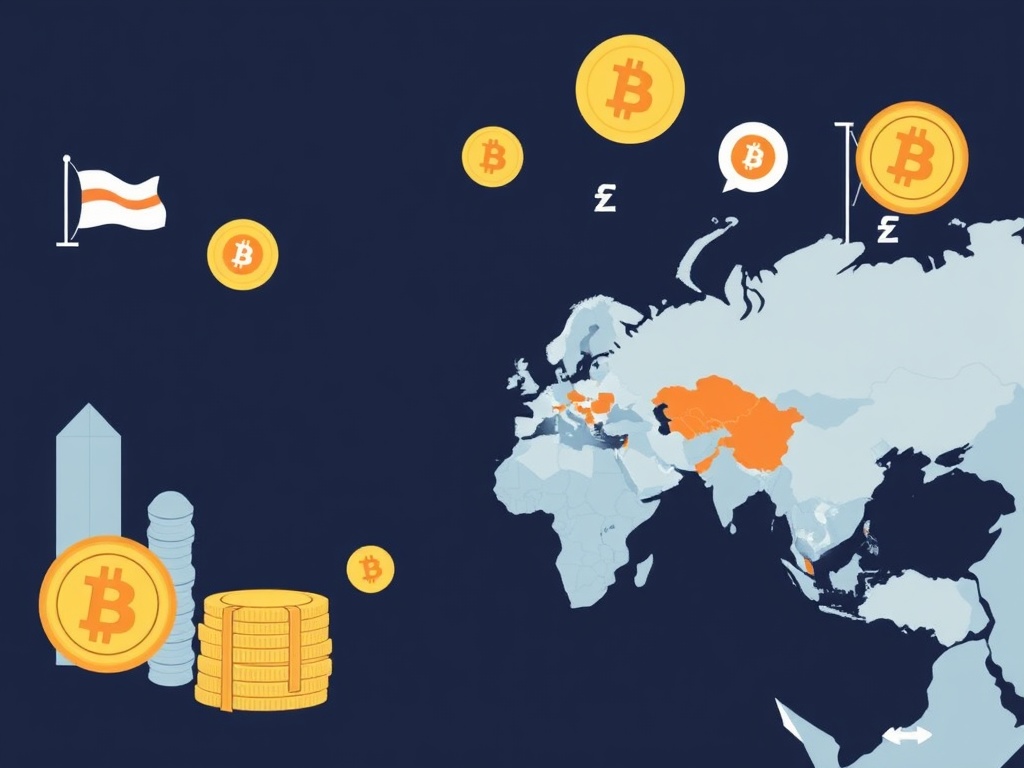
The legality of using a bitcoin mixer service varies depending on your jurisdiction. While some countries have embraced cryptocurrency privacy tools, others have imposed strict regulations or outright bans. Below is an overview of the legal landscape surrounding bitcoin mixer services in different regions.
United States
In the U.S., the use of bitcoin mixer services is not explicitly illegal, but it is subject to regulatory scrutiny. The Financial Crimes Enforcement Network (FinCEN) has stated that mixing services may be considered money transmitters under the Bank Secrecy Act (BSA). This means that mixers operating in the U.S. may be required to comply with anti-money laundering (AML) and know-your-customer (KYC) regulations. Failure to do so can result in legal consequences for both the service provider and the user.
European Union
The legal status of bitcoin mixer services in the EU is somewhat ambiguous. While the region has strict privacy laws like GDPR, it also has robust AML regulations under the Fifth and Sixth Anti-Money Laundering Directives (5AMLD and 6AMLD). Some EU countries, such as Germany, have taken a hardline stance against mixing services, while others are more lenient. Users in the EU should consult local regulations and seek legal advice if necessary.
China
China has imposed a blanket ban on cryptocurrency transactions, including the use of bitcoin mixer services. The Chinese government views all crypto-related activities as illegal and has taken aggressive measures to enforce this ban. Users in China caught using mixing services may face severe penalties, including fines and imprisonment.
Other Jurisdictions
In countries like Japan, South Korea, and Canada, the use of bitcoin mixer services is not explicitly illegal, but it is subject to regulatory oversight. Users in these regions should exercise caution and ensure that they are not violating any local laws. It’s always a good idea to consult with a legal professional if you’re unsure about the legality of using a mixer in your country.
Alternatives to Bitcoin Mixer Services
While bitcoin mixer services are a popular choice for enhancing privacy, they are not the only option available. Below are some alternative methods for achieving anonymity in cryptocurrency transactions.
CoinJoin
CoinJoin is a privacy-enhancing technique that allows multiple users to combine their transactions into a single, larger transaction. This makes it difficult to trace the flow of funds, as the transaction history is obfuscated. CoinJoin is supported by several Bitcoin wallets, including Wasabi Wallet and Samourai Wallet. Unlike traditional bitcoin mixer services, CoinJoin does not require you to trust a third-party service, making it a more decentralized and secure option.
Privacy-Focused Cryptocurrencies
Some cryptocurrencies are designed with privacy in mind, offering built-in features that obscure transaction histories. Monero (XMR) is the most well-known privacy coin, using ring signatures and stealth addresses to ensure anonymity. Other privacy-focused cryptocurrencies include Zcash (ZEC) and Dash (DASH). By using these cryptocurrencies, you can achieve a higher level of privacy without relying on a bitcoin mixer service.
Lightning Network
The Lightning Network is a second-layer solution for Bitcoin that enables fast, low-cost transactions. While it does not provide the same level of privacy as a bitcoin mixer service, it can help obscure transaction details by routing payments through multiple nodes. Additionally, the Lightning Network reduces the visibility of transactions on the main Bitcoin blockchain, making it a useful tool for privacy-conscious users.
Decentralized Exchanges (DEXs)
Decentralized exchanges (DEXs) allow users to trade cryptocurrencies without the need for a central authority. By using a DEX, you can avoid the KYC/AML requirements imposed by centralized exchanges, thereby enhancing your privacy. Some DEXs, such as Bisq and Hodl Hodl, support Bitcoin and other cryptocurrencies, making them a viable alternative to bitcoin mixer services.
Future of Bitcoin Mixer Services: Trends and Predictions

The Role and Risks of Bitcoin Mixer Services in Web3 Privacy and Compliance
As a DeFi and Web3 analyst, I’ve observed that bitcoin mixer services occupy a contentious yet critical niche in the digital asset ecosystem. These services, designed to obscure transaction trails by pooling and redistributing bitcoins, appeal to users prioritizing financial privacy in an era of pervasive surveillance. From a technical standpoint, mixers like Wasabi Wallet or Samourai Wallet leverage CoinJoin—a cryptographic technique that combines inputs from multiple parties to break the on-chain link between senders and recipients. While this enhances fungibility and privacy, it also introduces regulatory friction, as authorities often associate such tools with illicit activities like money laundering or sanctions evasion. My research suggests that the ethical and legal implications of bitcoin mixer services are not black-and-white; they serve legitimate privacy needs for dissidents or high-net-worth individuals while simultaneously enabling bad actors to exploit financial opacity.
Practically, the adoption of bitcoin mixer services must be weighed against evolving compliance frameworks, such as FATF’s Travel Rule or MiCA in the EU. DeFi protocols and centralized exchanges are increasingly required to implement KYC/AML checks, which can indirectly pressure mixer operators. For Web3 developers, integrating privacy-preserving solutions like zk-SNARKs or decentralized mixers (e.g., Tornado Cash) may offer a middle ground, balancing user anonymity with regulatory alignment. However, the recent crackdowns on Tornado Cash underscore the fragility of such services under scrutiny. My advice to users? Proceed with caution: while bitcoin mixer services can be a powerful tool for financial sovereignty, they demand rigorous due diligence to avoid unintended legal exposure. The future of privacy in crypto hinges on innovation that outpaces regulation—not evades it.