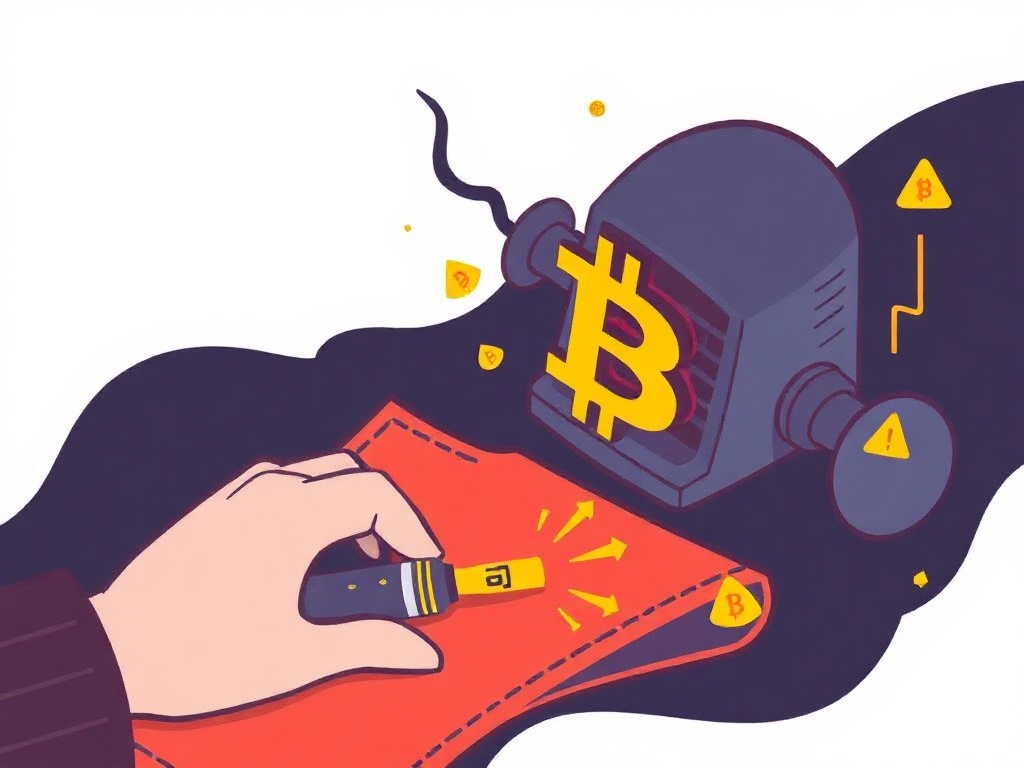
The Hidden Dangers of Custodial Tumblers: Understanding the Risks and Protecting Your Crypto

In the rapidly evolving world of cryptocurrency, privacy and security remain paramount concerns for users. One tool that has gained significant attention is the custodial tumbler, a service designed to obscure the origins of digital assets by mixing them with others. While these services promise anonymity, they come with a host of custodial tumbler risks that every crypto enthusiast should be aware of. This comprehensive guide explores the potential pitfalls of using custodial tumblers, from security vulnerabilities to legal implications, and provides actionable insights to help you navigate these challenges safely.
What Is a Custodial Tumbler and How Does It Work?
A custodial tumbler, also known as a mixing service or crypto mixer, is a third-party platform that combines cryptocurrency transactions to obscure their trail on the blockchain. Unlike decentralized mixers, custodial tumblers hold your funds temporarily, making them a centralized solution with inherent risks. Here’s a breakdown of how they operate:
The Mixing Process Explained
When you use a custodial tumbler, the process typically involves the following steps:
- Deposit: You send your cryptocurrency (e.g., Bitcoin or Ethereum) to the tumbler’s address.
- Mixing: The service pools your funds with those of other users, breaking the direct link between your original address and the destination.
- Withdrawal: After a delay (to further obfuscate the transaction), you receive "clean" coins from a different address controlled by the tumbler.
Key Differences Between Custodial and Non-Custodial Tumblers
Not all mixers are created equal. Understanding the distinction between custodial and non-custodial tumblers is crucial for assessing custodial tumbler risks:
| Feature | Custodial Tumblers | Non-Custodial Tumblers |
|---|---|---|
| Control Over Funds | You relinquish control to the service provider. | You retain full control throughout the process. |
| Trust Required | High—you must trust the provider not to steal or misappropriate funds. | Low—no third party holds your assets. |
| Privacy Level | Moderate—depends on the provider’s policies and security. | High—no central point of failure. |
| Regulatory Compliance | Often complies with KYC/AML laws, reducing anonymity. | Typically avoids regulatory oversight, preserving privacy. |
While non-custodial tumblers offer superior privacy, custodial tumblers are often more accessible and user-friendly, which explains their popularity despite the custodial tumbler risks.
Top Custodial Tumbler Risks You Need to Know
Using a custodial tumbler might seem like a straightforward way to enhance privacy, but the risks far outweigh the benefits for many users. Below are the most significant dangers associated with these services:
1. Risk of Theft or Exit Scams
Perhaps the most alarming custodial tumbler risk is the potential for the service to abscond with your funds. Unlike decentralized exchanges or wallets, custodial tumblers require you to deposit your cryptocurrency into their control. This creates a single point of failure where the provider can:
- Steal your funds: Some tumblers are outright scams designed to disappear after accumulating a large sum of crypto.
- Freeze withdrawals: Even legitimate services may impose arbitrary delays or freeze funds under the guise of "compliance checks."
- Lose funds due to hacking: Centralized services are prime targets for cybercriminals, and a breach could result in the loss of all deposited assets.
In 2022, a notorious custodial tumbler called Blender.io was sanctioned by the U.S. Treasury for allegedly facilitating money laundering for cybercriminal groups. While not all tumblers are malicious, the risk of fraudulent activity is a major custodial tumbler risk that cannot be ignored.
2. Regulatory and Legal Consequences
Another critical custodial tumbler risk stems from the increasing scrutiny of crypto mixing services by governments worldwide. Many jurisdictions have implemented strict anti-money laundering (AML) and know-your-customer (KYC) regulations that custodial tumblers must comply with. This compliance often comes at the cost of your privacy:
- KYC Requirements: Some tumblers now require users to submit identification documents, effectively defeating the purpose of anonymity.
- Transaction Monitoring: Authorities can trace transactions through these services, especially if they maintain logs or cooperate with law enforcement.
- Sanctions and Blacklisting: Governments may blacklist certain tumblers, making their use illegal in specific regions. For example, the U.S. Office of Foreign Assets Control (OFAC) has sanctioned several mixing services, including Tornado Cash.
Using a custodial tumbler in a regulated jurisdiction could expose you to legal repercussions, including fines or even criminal charges if the service is later deemed non-compliant.
3. Loss of Control Over Your Assets
When you use a custodial tumbler, you are essentially handing over control of your cryptocurrency to a third party. This introduces several risks:
- No Recovery Options: If the tumbler’s servers go offline or the service shuts down, you may lose access to your funds permanently.
- Arbitrary Fees: Some tumblers impose high fees or hidden charges, reducing the value of your transaction.
- Delayed Withdrawals: The mixing process can take hours or even days, during which time you have no control over your assets.
Unlike decentralized solutions where you retain ownership of your private keys, custodial tumblers place your funds in the hands of strangers, amplifying the custodial tumbler risks associated with loss of control.
4. Exposure to Malware and Phishing Attacks
Custodial tumblers are attractive targets for cybercriminals, not just for the funds they hold but also for the users they attract. The custodial tumbler risks in this context include:
- Fake Tumblers: Scammers create counterfeit mixing services to trick users into depositing funds, which are then stolen.
- Phishing Websites: Fraudulent websites mimic legitimate tumblers, capturing users’ login credentials or private keys.
- Malware Distribution: Some tumblers unknowingly distribute malware through their platforms, compromising users’ devices and wallets.
In 2021, a fake Bitcoin mixer called BitMix was discovered to be stealing users’ funds via a sophisticated phishing scheme. The custodial tumbler risks in this scenario extend beyond financial loss to include identity theft and device compromise.
5. Traceability and De-Anonymization Risks
One of the primary reasons users turn to tumblers is to enhance privacy, but custodial tumbler risks often include the opposite effect. Because these services are centralized, they can become single points of failure for de-anonymization:
- Transaction Logs: Some tumblers keep detailed logs of deposits and withdrawals, which can be subpoenaed or leaked.
- Collusion with Authorities: In some cases, tumblers may share user data with law enforcement or intelligence agencies.
- Blockchain Analysis: Sophisticated blockchain forensics can trace transactions through even well-known tumblers, especially if the service reuses addresses or fails to implement proper obfuscation techniques.
For example, Chainalysis and other blockchain analysis firms have developed tools to track funds through popular tumblers like Wasabi Wallet and Samourai Wallet, undermining their privacy guarantees. This highlights the custodial tumbler risks of relying on centralized solutions for anonymity.
How to Identify and Avoid High-Risk Custodial Tumblers
Not all custodial tumblers are equally risky, but distinguishing between trustworthy and fraudulent services requires diligence. Here’s how to evaluate a tumbler’s legitimacy and minimize the custodial tumbler risks:
Red Flags to Watch For
Before using any custodial tumbler, look out for these warning signs:
- No Transparency: Legitimate tumblers should provide clear information about their fees, mixing process, and security measures. Avoid services with vague or missing details.
- Poor Reputation: Check reviews on platforms like Reddit, Trustpilot, or crypto forums. Be wary of services with numerous complaints about lost funds or poor customer support.
- KYC Requirements: If a tumbler asks for personal identification, it’s likely compromising your privacy and may be subject to regulatory scrutiny.
- Unrealistic Promises: Be skeptical of tumblers that claim "100% anonymity" or guarantee instant mixing. No service can provide absolute privacy, and delays are common.
- No Tor or VPN Support: Reputable tumblers should allow access via Tor or VPN to protect your IP address and browsing activity.
Steps to Verify a Tumbler’s Legitimacy
To reduce the custodial tumbler risks, follow these steps before depositing funds:
- Research the Team: Look for information about the developers behind the tumbler. Are they anonymous, or do they have a verifiable track record?
- Check for Audits: Some tumblers undergo third-party security audits. Look for reports from reputable firms like CertiK or SlowMist.
- Test with Small Amounts: Before mixing a large sum, test the service with a small transaction to ensure it works as advertised.
- Review Withdrawal Policies: Understand the tumbler’s withdrawal process, including fees, delays, and any restrictions on destination addresses.
- Look for Community Endorsements: Trusted crypto influencers or developers may endorse certain tumblers. However, always cross-reference these endorsements with independent sources.
Alternatives to Custodial Tumblers
If the custodial tumbler risks seem too high, consider these decentralized alternatives that offer better privacy without the need for a third party:
- CoinJoin: A privacy technique used by wallets like Wasabi and Samourai, where multiple users combine their transactions to obscure their origins.
- Lightning Network: For Bitcoin, the Lightning Network allows for fast, low-cost transactions with improved privacy compared to on-chain transfers.
- Stealth Addresses: Services like Monero use stealth addresses to hide transaction details by default, eliminating the need for tumblers.
- Peer-to-Peer (P2P) Exchanges: Platforms like Bisq or LocalCryptos allow you to trade crypto directly with other users without relying on a centralized tumbler.
These alternatives reduce the custodial tumbler risks by eliminating the need to trust a third party with your funds.
The Legal Landscape: Are Custodial Tumblers Safe from Regulatory Crackdowns?
The regulatory environment surrounding custodial tumblers is becoming increasingly hostile, with governments worldwide taking steps to curb their use. Understanding the legal risks is essential to avoid unintended consequences.
Global Regulatory Trends
Several countries have taken action against custodial tumblers, citing concerns over money laundering, terrorism financing, and tax evasion:
- United States: The U.S. Treasury’s Office of Foreign Assets Control (OFAC) has sanctioned multiple tumblers, including Tornado Cash, Blender.io, and Sinbad. Using these services can result in severe penalties.
- European Union: The EU’s Fifth Anti-Money Laundering Directive (5AMLD) requires crypto service providers, including tumblers, to comply with KYC/AML regulations. This has led to the closure of many privacy-focused services.
- South Korea: The South Korean government has banned the use of crypto mixers, imposing heavy fines on users and service providers.
- China: China’s strict crypto regulations have effectively outlawed all forms of mixing services, with severe penalties for violators.
Potential Legal Consequences for Users
While most regulatory actions target service providers, users of custodial tumblers are not entirely immune to legal repercussions. Potential risks include:
- Civil Penalties: Fines for using sanctioned tumblers or failing to comply with local regulations.
- Criminal Charges: In extreme cases, users could face charges for money laundering if authorities determine that the tumbler was used to obscure illicit funds.
- Asset Seizure: If a tumbler is linked to criminal activity, authorities may freeze or seize any funds associated with it, even if they belong to innocent users.
For example, in 2022, the U.S. government seized $3.36 million worth of Bitcoin from users of Tornado Cash, demonstrating that even indirect involvement with a sanctioned tumbler can have serious consequences.
How to Stay Compliant While Using Tumblers
If you must use a custodial tumbler in a regulated jurisdiction, take these steps to minimize legal exposure:
- Use Non-Sanctioned Tumblers: Avoid services that have been blacklisted by OFAC or other regulatory bodies.
- Keep Transaction Records: Maintain detailed records of your tumbler usage, including deposit and withdrawal addresses, to demonstrate compliance if questioned by authorities.
- Consult a Legal Expert: If you frequently use tumblers, consider seeking advice from a crypto-savvy attorney to ensure you’re not inadvertently violating any laws.
- Use Decentralized Alternatives: Where possible, opt for non-custodial solutions like CoinJoin or Monero to reduce regulatory risks.
Real-World Case Studies: Lessons from Custodial Tumbler Scams and Failures
Examining past incidents involving custodial tumblers provides valuable insights into the risks and helps users make informed decisions. Below are some notable case studies that highlight the dangers of these services.
Case Study 1: The Rise and Fall of BestMixer.io
In 2019, BestMixer.io was one of the most popular Bitcoin tumblers, processing over 200,000 BTC in transactions. However, in May 2019, Dutch authorities seized the service’s servers, accusing it of facilitating money laundering. The custodial tumbler risks in this case included:
- Centralized Control: The service’s operators had full control over user funds, making it vulnerable to law enforcement action.
- Lack of Transparency: BestMixer.io did not provide clear information about its mixing process or fee structure, raising suspicions.
- Regulatory Non-Compliance: The service operated without proper licenses, making it an easy target for authorities.
Users who

The Hidden Dangers of Custodial Tumblers: Why Your Crypto May Not Be as Private as You Think
As a crypto investment advisor with over a decade of experience, I’ve seen firsthand how investors often turn to custodial tumblers in pursuit of privacy. These services promise to obscure transaction trails, but the risks they introduce—particularly in terms of security and regulatory exposure—are frequently overlooked. Custodial tumblers, which manage the mixing process on behalf of users, may seem convenient, but they operate as centralized entities with full control over your funds. This means your assets are only as secure as the tumbler’s infrastructure, and history has shown that even well-established services can fall victim to hacks, exit scams, or regulatory crackdowns. For investors prioritizing both privacy and asset protection, the trade-offs of using a custodial tumbler are rarely worth the risk.
Beyond security concerns, custodial tumblers also introduce significant legal and compliance risks. Many of these services operate in regulatory gray areas, and their lack of transparency can make users unwitting participants in illicit activities. Authorities, including financial crime enforcement networks (FinCEN) in the U.S., have increasingly scrutinized mixing services, with some jurisdictions outright banning them. Even if your transactions are legitimate, the mere association with a tumbler could trigger compliance investigations or frozen funds. For institutional and high-net-worth investors, this is a critical consideration—privacy should never come at the cost of legal exposure. Instead, I recommend exploring decentralized alternatives like non-custodial mixers or privacy-focused protocols that give you full control over your assets while minimizing risk.