Protecting Crypto Wealth from Public Exposure: Essential Strategies for Privacy-Conscious Investors

In the fast-evolving world of cryptocurrency, protecting crypto wealth from public exposure has become a critical concern for investors and enthusiasts alike. As blockchain technology continues to gain mainstream adoption, the transparency of public ledgers means that every transaction is permanently recorded and visible to anyone with internet access. While this transparency is one of the foundational strengths of blockchain, it also poses significant risks to personal financial privacy.
For high-net-worth individuals, privacy-focused traders, and long-term crypto holders, the exposure of wallet addresses, transaction histories, and asset balances can lead to targeted attacks, identity theft, or even physical threats. The growing sophistication of blockchain analysis tools further exacerbates these risks, enabling malicious actors to trace funds, link identities to wallets, and exploit vulnerabilities in privacy measures.
This comprehensive guide explores the most effective strategies for protecting crypto wealth from public exposure, from advanced privacy techniques to best practices for securing digital assets. Whether you're a seasoned crypto investor or new to the space, understanding how to safeguard your financial privacy is essential in today's digital landscape.
The Risks of Public Exposure in Cryptocurrency
Before diving into protective measures, it's crucial to understand the specific risks associated with the public exposure of crypto wealth. Unlike traditional banking systems, where financial privacy is often protected by law, blockchain transactions are inherently transparent. This transparency, while beneficial for auditability and trust, creates unique challenges for individuals seeking to keep their financial activities private.
Why Privacy Matters in Crypto
Financial privacy is not just about hiding wealth—it's about protecting personal safety, preventing targeted theft, and maintaining autonomy over one's financial decisions. In regions with unstable governments or oppressive regimes, the ability to transact privately can be a matter of life and death. Even in more stable environments, the public exposure of crypto holdings can lead to:
- Targeted phishing attacks: Hackers may use transaction histories to craft personalized scams.
- Physical threats: High-profile crypto holders may become targets for extortion or robbery.
- Reputation damage: Public knowledge of crypto wealth can affect personal or professional relationships.
- Regulatory scrutiny: While privacy is legal in many jurisdictions, authorities may flag large or frequent transactions.
- Competitive disadvantages: Businesses or investors may face unfair competition if rivals can track their financial movements.
How Blockchain Analysis Tools Expose Your Wealth
Modern blockchain analysis platforms, such as Chainalysis, CipherTrace, and TRM Labs, use sophisticated algorithms to trace transactions across multiple blockchains. These tools can:
- Link wallet addresses to real-world identities through exchange withdrawals or on-chain clustering.
- Identify patterns in transaction behavior to predict future movements.
- Map out entire financial networks by analyzing transaction graphs.
- Flag suspicious activities that may trigger regulatory investigations.
For example, if you withdraw Bitcoin from a regulated exchange to a personal wallet, your transaction may be linked to your identity. Subsequent transactions from that wallet can then be traced, revealing your spending habits, investment strategies, and overall wealth.
This is why protecting crypto wealth from public exposure requires a multi-layered approach that goes beyond simply using a hardware wallet. It involves strategic planning, the use of privacy-enhancing technologies, and a deep understanding of how blockchain forensics operates.
Core Principles of Crypto Wealth Protection
To effectively shield your crypto assets from public view, you must adopt a holistic strategy that addresses both technical and behavioral aspects of privacy. The following principles form the foundation of robust crypto wealth protection:
1. Separation of Identities and Wallets
One of the most fundamental rules of crypto privacy is to never link your real-world identity to your blockchain addresses. This means:
- Using separate wallets for different purposes (e.g., trading, long-term holding, daily spending).
- Avoiding the reuse of wallet addresses, especially for large transactions.
- Never sharing wallet addresses publicly or on social media.
- Using dedicated email addresses and phone numbers for crypto-related accounts.
2. Use of Privacy-Centric Cryptocurrencies
While Bitcoin and Ethereum are the most widely adopted cryptocurrencies, they are also the most traceable. For enhanced privacy, consider allocating a portion of your portfolio to privacy-focused coins such as:
- Monero (XMR): Uses ring signatures and stealth addresses to obfuscate sender and receiver identities.
- Zcash (ZEC): Offers optional privacy features through zk-SNARKs, allowing shielded transactions.
- Dash (DASH): Includes a PrivateSend feature that mixes transactions to enhance anonymity.
- Horizen (ZEN): Uses zk-SNARKs and sidechains to improve transaction privacy.
However, it's important to note that privacy coins are increasingly scrutinized by regulators and exchanges. Always research local laws before purchasing or transacting with these assets.
3. Strategic Transaction Timing and Amounts
Even with privacy coins, timing and transaction sizes can reveal patterns. To minimize exposure:
- Avoid making large transactions during market volatility or at predictable intervals.
- Use smaller, staggered transactions instead of lump-sum transfers.
- Time transactions during periods of low network activity to reduce traceability.
- Avoid making transactions that correlate with known events (e.g., exchange listings, airdrops).
4. Regular Wallet Hygiene and Rotation
Old or inactive wallets can become liabilities if compromised. Implement a routine of:
- Regularly sweeping funds from old wallets to new ones with fresh addresses.
- Using wallet rotation strategies to prevent long-term tracking.
- Monitoring wallet activity for signs of compromise or tracking.
- Disposing of or archiving wallets that are no longer in use.
By adhering to these principles, you create multiple layers of obfuscation that make it significantly harder for blockchain analysts to trace your financial footprint.
Advanced Techniques for Protecting Crypto Wealth from Public Exposure
Beyond basic privacy practices, advanced techniques can further obscure your on-chain presence. These methods require a deeper technical understanding but offer superior protection for high-value portfolios.
Coin Mixing and Tumbling Services
Coin mixing, also known as tumbling, is the process of obscuring the origin of cryptocurrency by mixing it with other users' funds. This breaks the transaction trail and makes it difficult to link inputs to outputs. Popular mixing services include:
- Wasabi Wallet: A non-custodial Bitcoin mixer that uses Chaumian CoinJoin to anonymize transactions.
- Samourai Wallet: Offers advanced mixing features like Stonewall and PayJoin to enhance privacy.
- JoinMarket: A decentralized mixing protocol that allows users to act as liquidity providers or takers.
- Bitcoin Mixer: A centralized service that shuffles Bitcoin for a fee (use with caution due to custodial risks).
When using mixing services, consider the following best practices:
- Always use non-custodial mixers to retain control of your funds.
- Avoid mixing large amounts in a single transaction to reduce suspicion.
- Use multiple mixers or services to further fragment the transaction trail.
- Wait for several confirmations before using mixed funds to avoid timing analysis.
Using Stealth Addresses and One-Time Use Addresses
Stealth addresses are a privacy feature used in cryptocurrencies like Monero and Zcash. They allow the sender to generate a unique, one-time address for each transaction, preventing the recipient's main address from being exposed on the blockchain. This ensures that even if someone knows your public address, they cannot track incoming transactions.
For Bitcoin users, tools like BIP 47 (Reusable Payment Codes) and BIP 44 (Hierarchical Deterministic Wallets) can help generate fresh addresses for each transaction, reducing address reuse and improving privacy.
Decentralized Exchanges (DEXs) and Atomic Swaps
Centralized exchanges (CEXs) often require Know Your Customer (KYC) verification, which links your identity to your trading activity. To avoid this exposure:
- Use decentralized exchanges (DEXs) like Uniswap, PancakeSwap, or Bisq, which do not require identity verification.
- Trade directly from wallet to wallet using atomic swaps, which enable cross-chain transactions without intermediaries.
- Use privacy-focused DEXs like THORChain or SecretSwap, which offer additional anonymity features.
However, DEXs come with their own risks, including smart contract vulnerabilities and impermanent loss. Always conduct thorough research before using any decentralized trading platform.
VPNs, Tor, and Network-Level Privacy
Even if your blockchain transactions are private, your internet activity can reveal your identity. To prevent this:
- Use a VPN with a strict no-logs policy to mask your IP address when accessing crypto services.
- Route all crypto-related traffic through the Tor network to anonymize your connection.
- Avoid accessing crypto wallets or exchanges from public Wi-Fi networks.
- Use dedicated devices or virtual machines for crypto transactions to isolate activity.
Combining these network-level privacy measures with on-chain techniques creates a robust shield against both blockchain analysis and network surveillance.
Hardware Wallets and Cold Storage: The First Line of Defense
While software wallets and privacy tools are essential, the physical security of your crypto assets remains paramount. Hardware wallets provide an offline storage solution that protects against online attacks, malware, and phishing. However, even hardware wallets must be used correctly to avoid compromising your privacy.
Choosing the Right Hardware Wallet
Not all hardware wallets are created equal when it comes to privacy. Consider the following features:
- Air-gapped operation: Wallets like Ledger Nano X (with Bluetooth disabled) or Coldcard allow transactions to be signed offline, preventing exposure to online threats.
- Open-source firmware: Devices like Trezor and BitBox02 have publicly auditable code, reducing the risk of hidden backdoors.
- Seed phrase protection: Look for wallets that allow you to generate and store seed phrases offline, such as KeepKey or Ellipal Titan.
- Multi-signature support: Wallets like Coldcard and Cobo Vault support multi-sig setups, adding an extra layer of security.
Best Practices for Hardware Wallet Usage
To maximize both security and privacy:
- Purchase directly from the manufacturer: Avoid buying hardware wallets from third-party sellers, as they may be tampered with.
- Initialize the device offline: Generate your seed phrase and PIN in a secure, offline environment.
- Use a passphrase (BIP 39): Add an extra word to your seed phrase to create a hidden wallet, protecting against physical coercion or theft.
- Avoid firmware updates over unsecured networks: Always update firmware using a secure, offline connection.
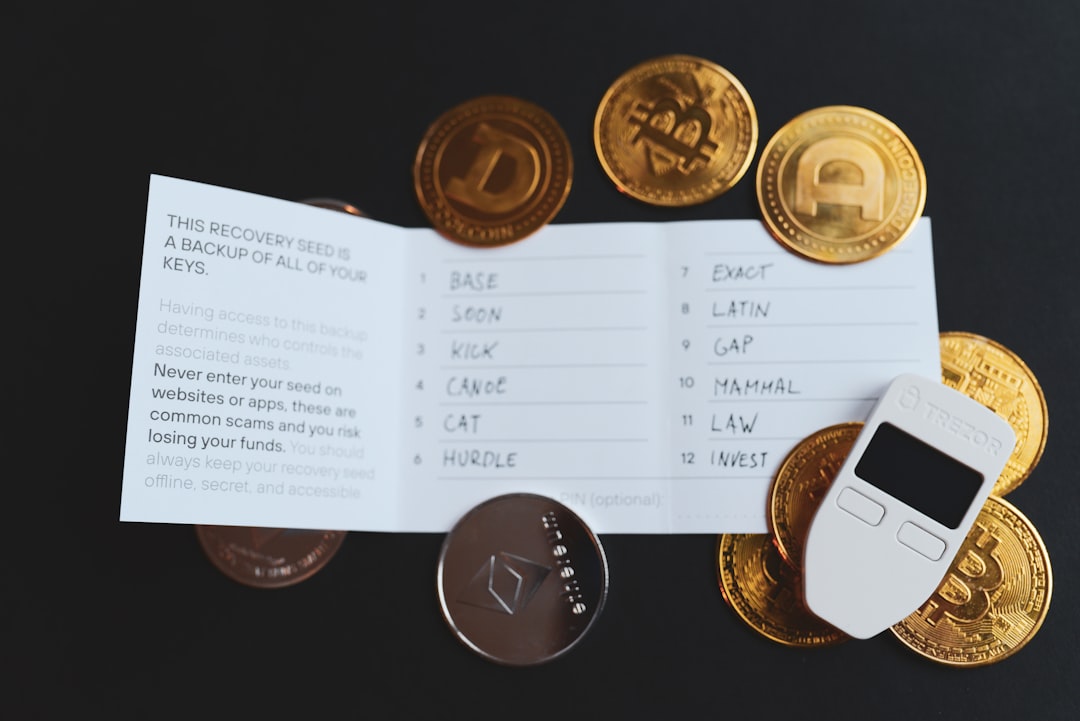
- Store seed phrases securely: Use metal backup solutions like Cryptosteel or Billfodl to protect against fire or water damage.
Cold Storage Strategies for Large Holdings
For investors with significant crypto wealth, cold storage is the gold standard for security. Consider implementing a multi-tiered cold storage system:
- Tier 1: Daily-use hot wallet: A small amount of crypto kept in a software wallet for regular transactions.
- Tier 2: Medium-term cold wallet: A hardware wallet stored in a secure location (e.g., a safe deposit box).
- Tier 3: Long-term cold storage: A paper wallet or metal seed backup stored in a geographically separate, secure location.
- Tier 4: Multi-signature vault: A wallet requiring multiple signatures (e.g., from trusted family members or legal representatives) to access funds.
By distributing your assets across multiple storage solutions, you reduce the risk of total loss due to theft, fire, or human error. Additionally, keeping large holdings offline prevents them from being linked to your identity through blockchain analysis.
Legal and Regulatory Considerations in Crypto Privacy
While privacy is a fundamental right, the legal landscape surrounding cryptocurrency is constantly evolving. Governments and regulatory bodies are increasingly scrutinizing privacy-enhancing technologies, and failure to comply with local laws can result in severe penalties. Balancing privacy with legal compliance is a delicate but necessary task for crypto investors.
Understanding KYC and AML Regulations
Most centralized exchanges and financial institutions are subject to Know Your Customer (KYC) and Anti-Money Laundering (AML) regulations. These laws require exchanges to verify the identity of their users and report suspicious transactions to authorities. As a result:
- Your identity may be linked to your exchange accounts, which are often tied to your on-chain activity.
- Large or frequent transactions may trigger automated alerts or manual reviews.
- Privacy coins and mixing services are often restricted or banned by regulated platforms.
To navigate these regulations while maintaining privacy:
- Use peer-to-peer (P2P) exchanges like LocalBitcoins (now defunct in some regions) or Bisq, which allow trading without KYC.
- Trade through privacy-focused brokers or OTC desks that do not require full identity verification.
- Keep records of transactions for tax purposes while minimizing exposure of your identity.
Tax Implications of Privacy Techniques
Even if you use privacy tools, tax authorities may still require you to report your crypto holdings and transactions. Strategies to remain compliant while protecting privacy include:
- Using privacy coins only for transactions where anonymity is critical, while keeping taxable events transparent.
- Maintaining detailed records of all transactions, including dates, amounts, and wallet addresses, in a secure offline ledger.
- Consulting with a crypto-savvy tax professional to ensure compliance with local laws.
- Avoiding tax evasion, which is illegal and can result in heavy fines or criminal charges.
Jurisdictional Considerations
The legality of privacy techniques varies widely by country. For example:
- United States: Privacy coins and mixing services are legal, but their use may attract IRS scrutiny.
- European Union: The Fifth Anti-Money Laundering Directive (5AMLD) requires crypto exchanges to comply with KYC, but privacy tools remain legal.
- China: Privacy coins are banned, and mixing services are heavily restricted.
- South Korea: Exchanges must comply with real-name verification, but privacy tools are not explicitly banned.
Before implementing any privacy strategy, research the laws in your jurisdiction to avoid unintentional violations. When in doubt, seek legal advice from a professional familiar with crypto regulations.
Common Mistakes That Compromise Crypto Privacy
Even the most privacy-conscious individuals can inadvertently expose their crypto wealth through simple oversights. Recognizing and avoiding these common mistakes is essential for maintaining anonymity.
1. Reusing Wallet Addresses
One of the most frequent privacy breaches occurs when users reuse the same wallet address for multiple transactions. This creates a clear transaction history that can be easily traced back to a single entity. Always generate a new address for each transaction, especially for large or sensitive transfers.
2. Linking Identity to Wallets
Many users unknowingly link their real-world identity to their crypto wallets by:
- Using the same email address for exchange accounts and wallet backups.
- Posting wallet addresses on social media or public forums.

Strategic Approaches to Protecting Crypto Wealth from Public Exposure in an Evolving Digital Landscape
As a Senior Crypto Market Analyst with over a decade of experience navigating the complexities of digital asset markets, I’ve observed that protecting crypto wealth from public exposure is not merely a matter of preference—it’s a critical component of long-term financial security. The pseudonymous nature of blockchain transactions often lulls investors into a false sense of anonymity, yet the reality is far more nuanced. Public exposure of crypto holdings can lead to targeted attacks, regulatory scrutiny, or even personal safety risks, particularly for high-net-worth individuals or institutional players. The key lies in adopting a multi-layered strategy that combines privacy-enhancing technologies, operational security (OpSec), and proactive risk management. Tools such as hardware wallets, coin mixing services, and decentralized exchanges (DEXs) are foundational, but they must be complemented by rigorous address hygiene and transaction obfuscation techniques to minimize traceability.
Beyond technical safeguards, the human element cannot be overlooked. Many breaches stem from operational oversights—such as reusing addresses, sharing wallet details, or failing to compartmentalize holdings across different storage solutions. I recommend segmenting assets across cold storage, multi-signature wallets, and even privacy-focused chains like Monero or Zcash for sensitive transactions. Additionally, institutional investors should leverage third-party custody solutions with robust auditing and insurance frameworks to mitigate counterparty risks. The goal isn’t just to obscure wealth but to ensure that exposure is controlled, intentional, and aligned with one’s broader financial strategy. In an era where blockchain analytics firms can trace transactions with increasing precision, complacency is the greatest vulnerability—one that demands constant vigilance and adaptation.