Private Solo Mining: A Comprehensive Guide to Solo Bitcoin Mining in 2024
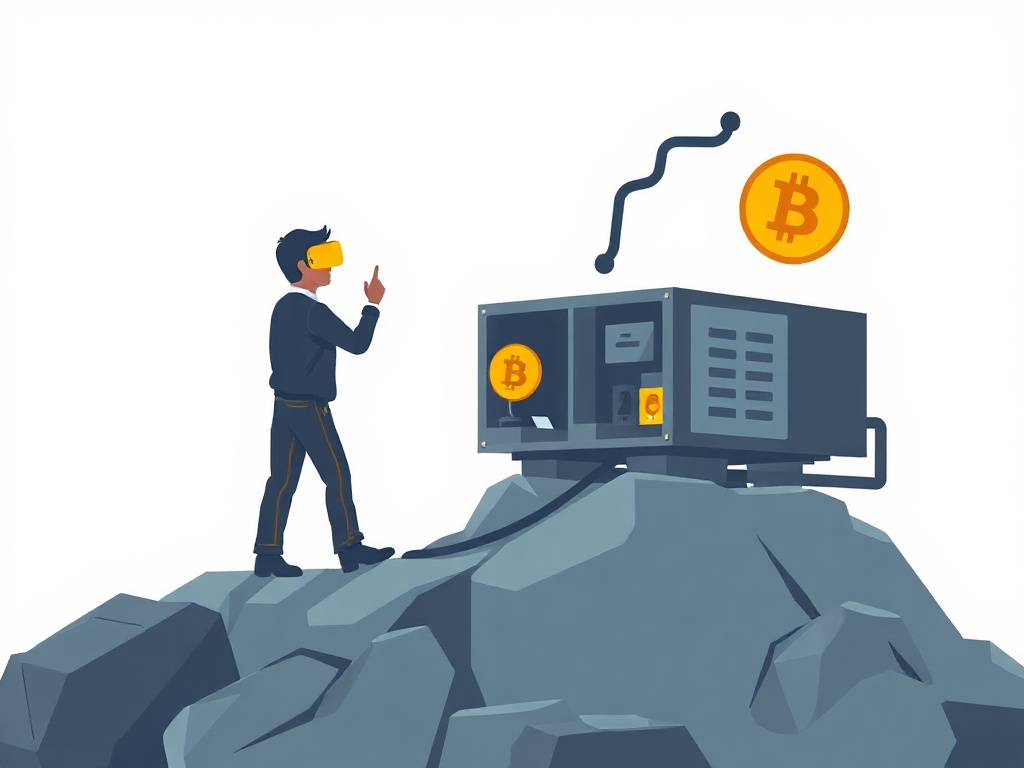
Private solo mining represents one of the most rewarding yet challenging methods for cryptocurrency enthusiasts to participate in the Bitcoin network. Unlike pooled mining, where rewards are distributed among participants, private solo mining allows individuals to mine blocks independently, retaining full control over their earnings. This approach appeals to those who value autonomy, privacy, and the potential for substantial returns. However, it requires significant technical knowledge, financial investment, and patience. In this guide, we explore the intricacies of private solo mining, its advantages and drawbacks, and practical steps to get started in 2024.
Understanding Private Solo Mining: Core Concepts and Mechanics
Before diving into the technical aspects, it's essential to grasp what private solo mining entails and how it differs from other mining methods. Solo mining involves a single miner or a small group working together without relying on a mining pool. The primary goal is to solve the cryptographic puzzle required to add a new block to the Bitcoin blockchain and claim the block reward, which currently stands at 6.25 BTC (as of the 2024 halving).
How Private Solo Mining Works
Private solo mining operates on the same principles as traditional solo mining but with a focus on privacy and independence. Here’s a step-by-step breakdown of the process:
- Blockchain Interaction: The miner runs a full Bitcoin node, which validates transactions and maintains a copy of the blockchain. This node communicates with the Bitcoin network to receive new transactions and blocks.
- Transaction Selection: The miner selects unconfirmed transactions from the mempool (the pool of pending transactions) to include in the candidate block. This selection is often optimized for transaction fees to maximize profitability.
- Proof-of-Work (PoW) Competition: The miner constructs a candidate block with the selected transactions and begins the mining process. The goal is to find a valid nonce (a random number) that, when hashed with the block header, produces a hash value below the current target difficulty.
- Block Submission: If the miner successfully finds a valid nonce, the block is submitted to the Bitcoin network. Other nodes validate the block, and if accepted, the miner receives the block reward and transaction fees.
- Reward Claim: The miner’s Bitcoin address receives the full reward, minus any transaction fees paid to miners who included transactions in the block.
Unlike pooled mining, where miners contribute hashing power to a shared pool and receive proportional rewards, private solo mining ensures that the miner retains 100% of the block reward if successful. However, the probability of mining a block solo is directly proportional to the miner’s hashing power relative to the network’s total hashing power.
Key Differences Between Private Solo Mining and Pooled Mining
To better understand the appeal of private solo mining, it’s helpful to compare it with pooled mining:
- Reward Distribution: In pooled mining, rewards are distributed among participants based on their contributed hashing power. In private solo mining, the miner receives the entire block reward if successful.
- Frequency of Payouts: Pooled mining offers frequent, smaller payouts, while private solo mining may result in long periods without any rewards, followed by a significant payout if a block is mined.
- Control and Privacy: Private solo mining provides complete control over mining operations and enhances privacy, as there is no need to share hashing power with a third party. Pooled mining, on the other hand, requires trust in the pool operator and may involve sharing sensitive information.
- Technical Requirements: Pooled mining typically requires less computational power and can be done with a simple ASIC miner. Private solo mining demands a robust setup, including a full Bitcoin node, high-performance mining hardware, and reliable internet connectivity.
- Risk and Reward: The risk in pooled mining is minimal, as rewards are consistent. In private solo mining, the risk is higher due to the low probability of mining a block, but the potential reward is significantly greater.
The Pros and Cons of Private Solo Mining in 2024
Private solo mining is not for everyone. It requires a significant investment in time, money, and effort, and the odds of success are often discouraging for small-scale miners. However, for those who are committed, the rewards can be substantial. Below, we explore the advantages and disadvantages of private solo mining in the current cryptocurrency landscape.
Advantages of Private Solo Mining
Despite the challenges, private solo mining offers several compelling benefits:
- Full Control Over Rewards: The most significant advantage of private solo mining is that miners retain 100% of the block reward if they successfully mine a block. There are no fees to pool operators, and no need to share profits with other miners.
- Enhanced Privacy: By mining solo, individuals avoid sharing their hashing power with a pool, reducing the risk of exposing their mining activities to third parties. This is particularly appealing to those who prioritize privacy in their cryptocurrency dealings.
- No Dependence on Pool Operators: Mining pools can experience downtime, censorship, or even malicious behavior. Private solo mining eliminates dependence on pool operators, ensuring that miners have full autonomy over their operations.
- Potential for High Returns: While the probability of mining a block solo is low, the reward is substantial. For miners with significant hashing power, the potential for a large payout can outweigh the risks.
- Learning and Skill Development: Running a full Bitcoin node and managing a solo mining operation provides valuable experience in blockchain technology, cryptography, and network operations. This knowledge can be beneficial for other cryptocurrency-related ventures.
Disadvantages and Challenges of Private Solo Mining
While the advantages are enticing, private solo mining comes with several significant challenges:
- High Initial Investment: To compete in the Bitcoin network, miners need powerful ASIC (Application-Specific Integrated Circuit) hardware. The cost of high-end ASICs, such as those from Bitmain or MicroBT, can range from thousands to tens of thousands of dollars. Additionally, miners must invest in a reliable power supply, cooling systems, and a robust internet connection.
- Low Probability of Success: The Bitcoin network’s total hashing power is enormous, with the current difficulty adjusted every 2016 blocks. For an individual miner with a small hashing power, the chance of mining a block is extremely low. For example, a miner with 1 TH/s has a probability of approximately 0.00000008% of mining a block in a given day.
- Operational Costs: Mining consumes a significant amount of electricity, and the cost of power can quickly outweigh the rewards, especially in regions with high electricity prices. Additionally, miners must account for hardware maintenance, cooling, and potential downtime.
- Technical Complexity: Setting up and maintaining a private solo mining operation requires a deep understanding of Bitcoin’s protocol, blockchain technology, and mining software. Mistakes in configuration can lead to lost rewards or even hardware damage.
- Regulatory and Tax Implications: Depending on the jurisdiction, mining activities may be subject to regulations, taxes, or reporting requirements. Miners must ensure compliance with local laws to avoid legal issues.
- Environmental Concerns: Bitcoin mining has faced criticism for its environmental impact due to the energy consumption associated with PoW. Miners must consider the sustainability of their operations and explore renewable energy sources where possible.
Is Private Solo Mining Worth It in 2024?
The decision to pursue private solo mining depends on several factors, including financial resources, technical expertise, and risk tolerance. For most individual miners, pooled mining remains the more practical option due to the low probability of solo success. However, for those with significant capital and a long-term commitment, private solo mining can be a rewarding venture.
In 2024, the Bitcoin network continues to evolve, with increasing institutional involvement and advancements in mining technology. While the difficulty of mining remains high, innovations such as more efficient ASICs and renewable energy solutions may make private solo mining more accessible. Ultimately, the choice to mine solo should be based on a careful assessment of the risks and rewards.
Setting Up a Private Solo Mining Operation: A Step-by-Step Guide
Establishing a private solo mining operation is a complex process that requires careful planning and execution. Below, we outline the essential steps to set up a solo mining rig, from hardware selection to software configuration.
Step 1: Assessing Your Mining Goals and Resources
Before investing in hardware, it’s crucial to define your mining goals and evaluate your available resources. Consider the following questions:
- What is your budget? High-end ASIC miners can cost thousands of dollars, and additional expenses include electricity, cooling, and infrastructure.
- What is your target hashing power? The more hashing power you have, the higher your chances of mining a block. However, the cost increases exponentially with hashing power.
- Where will you host your mining operation? Mining generates significant heat and noise, so you’ll need a suitable location with adequate ventilation and power supply.
- What is your electricity cost? Electricity is the largest operational expense in mining. Ensure your electricity rates are low enough to make mining profitable.
- Do you have the technical expertise? Running a private solo mining operation requires knowledge of Bitcoin’s protocol, mining software, and network configuration.
Once you’ve answered these questions, you can proceed to the next steps with a clear understanding of your capabilities and limitations.
Step 2: Selecting the Right Mining Hardware
The foundation of any private solo mining operation is the mining hardware. ASIC miners are the most efficient devices for Bitcoin mining, as they are specifically designed to perform the SHA-256 hashing algorithm required by the Bitcoin network. Below are some of the top ASIC miners available in 2024:
- Bitmain Antminer S21 (200 TH/s): One of the most powerful ASIC miners on the market, the Antminer S21 offers a hashing power of 200 TH/s with an energy efficiency of 20 J/TH. It is ideal for large-scale operations but comes with a high price tag.
- MicroBT Whatsminer M50S (126 TH/s): The Whatsminer M50S is a popular choice for mid-sized miners, offering a balance between performance and cost. It has a hashing power of 126 TH/s and an efficiency of 28 J/TH.
- Canaan AvalonMiner 14 Series (118 TH/s): The AvalonMiner 14 series is known for its reliability and efficiency. The 1466 model offers 118 TH/s with an efficiency of 30 J/TH.
- JASMINER X4 (2.5 TH/s): For those with limited budgets, the JASMINER X4 is a compact and affordable ASIC miner with a hashing power of 2.5 TH/s. It is suitable for small-scale miners or testing purposes.
When selecting mining hardware, consider the following factors:
- Hashing Power: Higher hashing power increases your chances of mining a block but also raises the cost of the hardware.
- Energy Efficiency: More efficient miners consume less electricity, reducing operational costs and improving profitability.
- Noise and Heat Output: Mining hardware generates significant heat and noise. Ensure your setup has adequate cooling and soundproofing.
- Reliability and Warranty: Choose reputable manufacturers with a track record of reliability and good customer support. Check the warranty period and terms.
- Availability and Shipping: ASIC miners are in high demand, and lead times can be long. Plan ahead to avoid delays in setting up your operation.
Step 3: Setting Up a Full Bitcoin Node
A full Bitcoin node is essential for private solo mining because it allows you to validate transactions and blocks independently. Running a node ensures that you are mining on the correct blockchain and reduces the risk of orphaned blocks (blocks that are mined but not accepted by the network due to a longer chain being found).
To set up a Bitcoin node, follow these steps:
- Choose Your Hardware: A Bitcoin node can run on a variety of hardware, including a Raspberry Pi, a dedicated server, or a spare PC. Ensure the hardware has sufficient storage (at least 500 GB for the blockchain data) and RAM (minimum 2 GB).
- Install the Bitcoin Core Software: Download the Bitcoin Core software from the official Bitcoin Core website. Follow the installation instructions for your operating system (Linux, Windows, or macOS).
- Sync the Blockchain: Once installed, the Bitcoin Core software will begin syncing the blockchain. This process can take several days, depending on your internet connection and hardware. Ensure you have a stable and fast internet connection to avoid interruptions.
- Configure the Node: After syncing, configure your node to accept incoming connections by editing the
bitcoin.conffile. Add the following lines to allow your node to communicate with the Bitcoin network:server=1 daemon=1 txindex=1 rpcuser=yourusername rpcpassword=yourpassword - Enable Port Forwarding: To allow your node to communicate with other nodes on the network, enable port forwarding on your router. The default Bitcoin port is 8333.
- Monitor the Node: Use tools like
bitcoin-clior a web-based interface to monitor the status of your node. Ensure it remains online and synced with the network.
Running a full Bitcoin node is resource-intensive, so ensure your hardware is up to the task. A dedicated server or a high-performance PC is recommended for optimal performance.
Step 4: Choosing and Configuring Mining Software
Once your hardware and node are set up, the next step is to choose and configure mining software. Mining software connects your ASIC miner to the Bitcoin network and allows you to participate in the mining process. Below are some of the most popular mining software options for private solo mining:
- BraiinOS: BraiinOS is a user-friendly mining operating system designed for ASIC miners. It offers features like overclocking, remote management, and automatic tuning to optimize performance.
- CGMiner: CGMiner is one of the oldest and most widely used mining software. It supports ASIC and FPGA miners and offers advanced features like fan control and overclocking.
- BFGMiner: BFGMiner is a modular mining software that supports multiple mining algorithms. It is highly customizable and suitable for advanced users.
- Awesome Miner: Awesome Miner is a comprehensive mining management software that supports ASIC, GPU, and CPU mining. It offers features like remote monitoring, profit switching, and overclocking.
- Bitcoin Core (for solo mining): Bitcoin Core itself can be used for solo mining by configuring it to generate blocks. However, this method is less efficient and not recommended for large-scale operations.
To configure your mining software for private solo mining, follow these general steps:
- Connect Your ASIC Miner: Plug in your ASIC miner and ensure it is detected by your computer. Most ASIC miners connect via Ethernet or USB.
- Install the Mining Software: Download and install your chosen mining software. Follow the installation instructions provided by the software developer.
- Configure the Software: Edit the configuration file (e.g.,
cgminer.conffor CGMiner) to include your Bitcoin node’s details. For example:{ "pools": [ { "url": "http://127.0.0.1:8332", "user": "your_bitcoin_address", "pass": "x" } ] }
<

The Strategic Value and Realities of Private Solo Mining in the Modern Crypto Landscape
As a digital assets strategist with a background in both traditional finance and cryptocurrency markets, I’ve observed that private solo mining remains a compelling, albeit niche, strategy for certain participants in the Bitcoin ecosystem. Unlike pooled mining, which dilutes individual sovereignty over block rewards, private solo mining offers full control over the mining process—both technically and financially. This autonomy is particularly valuable for those who prioritize decentralization, censorship resistance, and the long-term security of the network. However, it’s critical to recognize that private solo mining is not a one-size-fits-all solution. The operational overhead, capital intensity, and exposure to volatility in hash rate and difficulty adjustments make it a high-risk, high-reward endeavor. For sophisticated investors or technically adept operators, it can serve as a strategic hedge against centralized mining dominance, but it demands rigorous cost-benefit analysis and risk management.
From a practical standpoint, private solo mining is most viable for those with access to low-cost electricity, scalable infrastructure, and a tolerance for operational complexity. The rise of application-specific integrated circuits (ASICs) has made solo mining increasingly capital-intensive, effectively pricing out smaller participants unless they operate at scale. Additionally, the probabilistic nature of rewards—where miners may wait weeks or months for a single block—requires robust financial planning and liquidity management. That said, the strategic benefits are undeniable: private solo miners contribute directly to network security without relying on third-party intermediaries, aligning with the original ethos of Bitcoin. For institutions or high-net-worth individuals seeking to signal commitment to decentralization while potentially benefiting from block rewards, private solo mining can be a powerful tool—provided it’s executed with precision and aligned with broader portfolio objectives.