Private Payment Streaming: The Future of Anonymous and Instant Transactions
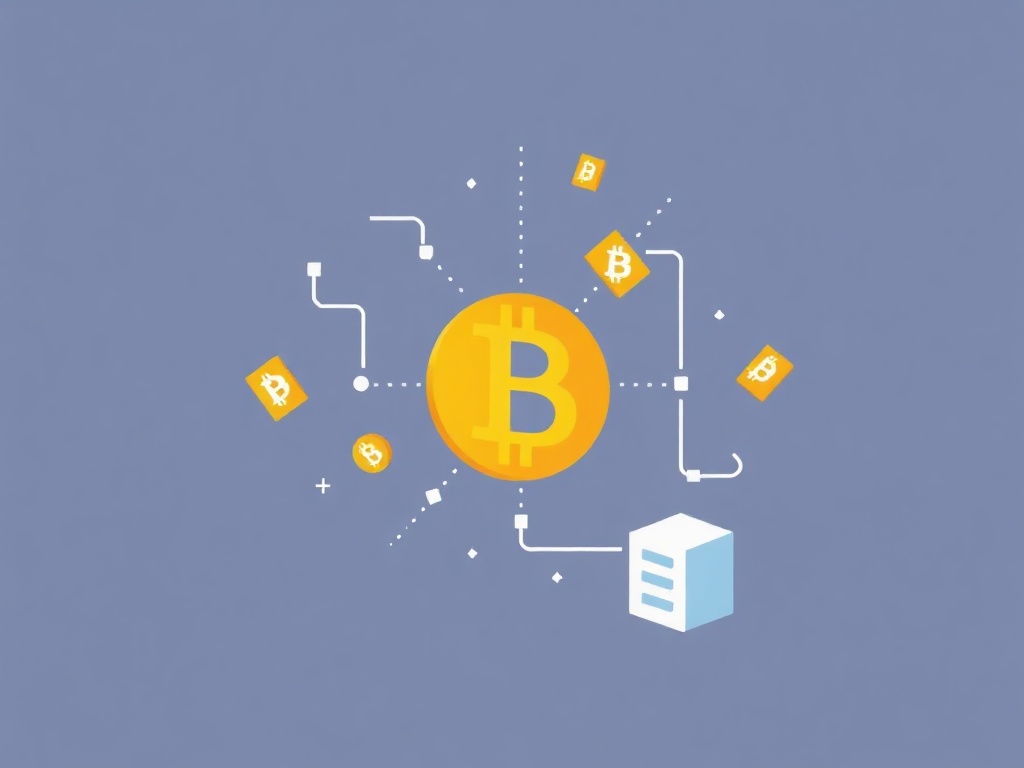
In an era where digital privacy is increasingly under threat, private payment streaming emerges as a revolutionary solution for individuals and businesses seeking secure, anonymous, and real-time financial transactions. Unlike traditional payment systems that rely on centralized intermediaries, private payment streaming leverages decentralized technologies to ensure that transactions remain confidential, efficient, and resistant to censorship.
This comprehensive guide explores the concept of private payment streaming, its underlying technologies, benefits, challenges, and practical applications. Whether you're a cryptocurrency enthusiast, a privacy advocate, or a business owner looking for secure payment solutions, this article will provide you with the insights you need to understand and leverage this innovative financial tool.
The Evolution of Payment Systems: From Cash to Private Payment Streaming
The Limitations of Traditional Payment Systems
For centuries, cash has been the primary medium of exchange due to its anonymity and lack of intermediaries. However, as digital payments gained prominence, traditional systems such as credit cards, bank transfers, and digital wallets introduced several drawbacks:
- Lack of Privacy: Transactions are recorded and monitored by financial institutions, governments, and third-party service providers, leaving a digital trail that can be exploited for surveillance or targeted advertising.
- High Fees: Intermediaries such as banks and payment processors charge significant fees, particularly for cross-border transactions.
- Slow Processing Times: International transfers can take days to complete, delaying business operations and personal transactions.
- Censorship Risks: Governments and financial institutions can freeze accounts or block transactions, restricting financial freedom.
These limitations paved the way for cryptocurrencies and decentralized finance (DeFi), which introduced the concept of private payment streaming—a method of transferring value in real-time while preserving anonymity and security.
The Rise of Cryptocurrencies and Decentralized Solutions
The launch of Bitcoin in 2009 marked a turning point in the financial world by introducing a decentralized, peer-to-peer payment system. However, early cryptocurrencies like Bitcoin were not entirely private due to the public nature of their blockchain ledgers. This led to the development of privacy-focused cryptocurrencies such as Monero, Zcash, and Dash, which incorporated advanced cryptographic techniques to obscure transaction details.
Building on these innovations, private payment streaming combines the speed of real-time transactions with the anonymity of privacy coins, enabling users to send and receive funds without revealing their identities or transaction histories. This technology is particularly valuable in regions with strict financial regulations or where individuals face persecution for their financial activities.
How Private Payment Streaming Works: Technology Behind the Innovation
Core Technologies Enabling Private Payment Streaming
Private payment streaming relies on a combination of blockchain technology, cryptographic privacy protocols, and decentralized networks. The key technologies involved include:
- Zero-Knowledge Proofs (ZKPs): These cryptographic methods allow one party to prove the validity of a transaction without revealing any sensitive information. ZKPs are used in privacy coins like Zcash to shield sender and receiver identities.
- Ring Signatures: Implemented in Monero, ring signatures mix a user's transaction with others, making it impossible to trace the origin of a payment.
- Stealth Addresses: This feature generates a unique, one-time address for each transaction, preventing blockchain analysis from linking transactions to a user's wallet.
- Layer-2 Solutions: Networks like the Lightning Network (for Bitcoin) and Raiden Network (for Ethereum) enable instant, low-cost transactions off the main blockchain, enhancing the efficiency of private payment streaming.
- Decentralized Exchanges (DEXs): Platforms like Bisq and Haveno allow users to trade cryptocurrencies peer-to-peer without relying on centralized authorities, further enhancing privacy.
Step-by-Step Process of a Private Payment Stream
To better understand how private payment streaming functions, let's break down the process of a typical transaction:
- Initiation: The sender initiates a payment using a privacy-focused cryptocurrency wallet (e.g., Monero or Zcash). The wallet generates a stealth address for the recipient.
- Transaction Creation: The sender's wallet constructs the transaction, applying privacy protocols such as ring signatures or ZKPs to obscure the transaction details.
- Broadcasting: The transaction is broadcast to the network's nodes, which validate it without needing to know the sender's or receiver's identities.
- Mining/Validation: Miners or validators (in proof-of-stake systems) confirm the transaction and add it to a block on the blockchain.
- Completion: The recipient's wallet detects the incoming transaction using the stealth address and updates the balance accordingly. The transaction is now complete, with no public record linking the sender to the receiver.
This process ensures that private payment streaming is not only secure but also resistant to censorship and surveillance.
Comparison with Traditional Payment Systems
The following table highlights the key differences between traditional payment systems and private payment streaming:
| Feature | Traditional Payment Systems | Private Payment Streaming |
|---|---|---|
| Privacy | Low (transactions are traceable) | High (transactions are anonymous) |
| Speed | Slow (hours to days for cross-border) | Instant (seconds to minutes) |
| Fees | High (especially for international transfers) | Low (minimal transaction costs) |
| Censorship Resistance | Low (can be blocked by authorities) | High (decentralized and permissionless) |
| Intermediaries | Required (banks, payment processors) | None (peer-to-peer) |
Benefits of Private Payment Streaming: Why It Matters
Enhanced Financial Privacy
One of the most compelling advantages of private payment streaming is the ability to conduct transactions without exposing personal financial data. In a world where data breaches and identity theft are rampant, maintaining privacy is crucial. Private payment streaming ensures that:
- Your spending habits remain confidential.
- Third parties cannot track your financial movements.
- Your identity is protected from surveillance capitalism.
For individuals living under oppressive regimes or in countries with hyperinflation, private payment streaming provides a lifeline to financial freedom.
Speed and Efficiency
Traditional banking systems are notorious for their slow processing times, especially for international transfers. Private payment streaming eliminates these delays by leveraging blockchain technology, which operates 24/7 without intermediaries. Transactions are confirmed in minutes, if not seconds, making it ideal for:
- E-commerce and online businesses.
- Cross-border remittances.
- Emergency financial transfers.
Cost-Effectiveness
High transaction fees are a significant pain point for users of traditional payment systems. Banks and payment processors often charge fees ranging from 1% to 5% per transaction, not to mention hidden charges for currency conversion. In contrast, private payment streaming offers:
- Minimal transaction fees (often less than $0.10).
- No currency conversion fees (ideal for global transactions).
- No chargebacks or reversal fees (reducing fraud risks).
Censorship Resistance
Governments and financial institutions have the power to freeze accounts, block transactions, or impose capital controls. Private payment streaming operates on decentralized networks, meaning no single entity can censor or reverse transactions. This feature is particularly valuable for:
- Journalists and activists in repressive regimes.
- Businesses operating in high-risk jurisdictions.
- Individuals facing financial discrimination.
Accessibility and Inclusivity
Traditional banking systems exclude millions of people due to lack of documentation, credit history, or geographical barriers. Private payment streaming is accessible to anyone with an internet connection and a compatible wallet, making it a powerful tool for financial inclusion. It empowers:
- Unbanked populations in developing countries.
- Freelancers and gig workers seeking fair payment methods.
- Refugees and displaced individuals without access to traditional banking.
Challenges and Risks of Private Payment Streaming
Regulatory Scrutiny and Compliance Issues
While private payment streaming offers unparalleled privacy, it also faces significant regulatory challenges. Governments and financial authorities are increasingly scrutinizing privacy-focused cryptocurrencies due to concerns about:
- Money Laundering: The anonymity of private payment streaming could be exploited by criminals to launder illicit funds.
- Terrorism Financing: Privacy coins may facilitate the movement of funds for illegal activities.
- Tax Evasion: Individuals may use private payment streaming to hide income from tax authorities.
As a result, some countries have imposed restrictions or outright bans on privacy coins. For example:
- South Korea: Banned privacy coins like Monero and Zcash from exchanges.
- Japan: Removed Monero, Dash, and Zcash from regulated exchanges.
- United States: The IRS has offered bounties for cracking privacy coin transactions.
To mitigate these risks, users of private payment streaming must stay informed about local regulations and consider using compliance tools where necessary.
Technical Complexity and User Experience
While the underlying technology of private payment streaming is sophisticated, it can be challenging for non-technical users to navigate. Common issues include:
- Wallet Management: Setting up and securing privacy-focused wallets requires a steep learning curve.
- Transaction Fees: Some privacy coins have higher transaction fees than traditional cryptocurrencies.
- Scalability: High demand can lead to network congestion, increasing transaction times and fees.
To address these challenges, developers are working on improving user interfaces, reducing fees, and enhancing scalability through layer-2 solutions.
Security Risks and Scams
Like any financial system, private payment streaming is not immune to security risks. Common threats include:
- Phishing Attacks: Scammers may trick users into revealing their private keys or wallet passwords.
- Exchange Hacks: Centralized exchanges handling privacy coins may be targeted by hackers.
- Fake Wallets: Malicious software may impersonate legitimate privacy coin wallets to steal funds.
To protect against these risks, users should:
- Use hardware wallets for storing large amounts of cryptocurrency.
- Enable two-factor authentication (2FA) on all accounts.
- Verify the authenticity of wallets and exchanges before use.
- Keep software and devices updated to prevent vulnerabilities.
Adoption Barriers and Market Volatility
The adoption of private payment streaming is still in its early stages, and several barriers hinder its widespread use:
- Limited Merchant Acceptance: Few businesses accept privacy coins due to regulatory uncertainty and lack of infrastructure.
- Price Volatility: Cryptocurrencies are known for their price fluctuations, which can deter users seeking stable payment methods.
- Lack of Awareness: Many people are unaware of the benefits of private payment streaming or how to use it.
Despite these challenges, the growing demand for financial privacy and the increasing integration of cryptocurrencies into mainstream finance suggest a promising future for private payment streaming.
Practical Applications of Private Payment Streaming
E-Commerce and Online Retail
For online businesses, private payment streaming offers a secure and efficient way to accept payments without exposing customer data. Benefits include:
- Reduced Fraud: Chargebacks and payment reversals are eliminated, protecting merchants from financial losses.
- Global Reach: Businesses can accept payments from customers worldwide without worrying about currency conversion or high fees.
- Customer Trust: Shoppers are more likely to make purchases when their financial data is protected.
Platforms like Bitrefill and Travala already accept privacy coins, demonstrating the potential of private payment streaming in e-commerce.
Cross-Border Remittances
Sending money across borders is often expensive and slow, with fees ranging from 5% to 10% of the transaction amount. Private payment streaming provides a cost-effective alternative by:
- Reducing fees to less than 1%.
- Enabling instant transfers regardless of geographical location.
- Bypassing traditional banking systems that impose restrictions.
For example, migrant workers sending money to their families in developing countries can use private payment streaming to save on fees and ensure funds arrive quickly.
Freelancing and Gig Economy
Freelancers and gig workers often face challenges with payment processing, including high fees, delayed payouts, and geographic restrictions. Private payment streaming addresses these issues by:
- Allowing instant payouts in cryptocurrency.
- Enabling cross-border payments without intermediaries.
- Providing a secure way to receive payments from clients worldwide.
Platforms like Bitwage and Cryptogrind facilitate crypto payments for freelancers, making private payment streaming an attractive option for the gig economy.
Charitable Donations and Nonprofits
Nonprofit organizations often struggle with high transaction fees and lack of transparency in traditional payment systems. Private payment streaming offers a solution by:
- Reducing overhead costs associated with donations.
- Ensuring that funds reach beneficiaries without intermediaries taking a cut.
- Providing donors with the option to contribute anonymously.
Organizations like The Water Project and GiveCrypto accept cryptocurrency donations, highlighting the potential of private payment streaming in the nonprofit sector.
Gaming and Virtual Economies
The gaming industry is increasingly adopting cryptocurrencies for in-game purchases and virtual economies. Private payment streaming enhances this ecosystem by:
- Allowing gamers to trade virtual assets securely and anonymously.
- Enabling instant microtransactions without high fees.
- Protecting user data from hackers and scammers.
Games like Decentraland and Axie Infinity leverage blockchain technology for in-game economies, with private payment streaming playing a key role in their privacy and security.
How to Get Started with Private Payment Streaming
Choosing the Right Privacy Coin
Not all cryptocurrencies offer the same level of privacy. When selecting a privacy coin for private payment streaming, consider the following options:
- Monero (XMR): Known for its strong privacy features, including ring signatures and stealth addresses. Monero is widely regarded as
 David ChenDigital Assets Strategist
The Future of Private Payment Streaming: A Strategic Perspective on Real-Time Value Exchange
As a digital assets strategist with a background in both traditional finance and cryptocurrency markets, I’ve observed that private payment streaming represents a paradigm shift in how value is exchanged in real time. Unlike traditional payment systems, which often involve batch processing or delayed settlements, private payment streaming enables continuous, instantaneous transfers of value—whether for subscriptions, microtransactions, or dynamic pricing models. From a quantitative perspective, this innovation introduces new efficiencies in liquidity management and cash flow optimization, particularly for businesses operating in digital economies. However, the adoption of such systems hinges on robust infrastructure, scalable privacy solutions, and regulatory clarity. Institutions must weigh the benefits of reduced counterparty risk and enhanced financial flexibility against the challenges of compliance and interoperability.
Practically speaking, private payment streaming could redefine monetization strategies across industries, from gaming and content creation to decentralized finance (DeFi). For instance, a content creator could receive real-time royalties as users engage with their work, eliminating the need for intermediaries and reducing settlement delays. Yet, the success of this model depends on overcoming key hurdles, such as ensuring transaction privacy without sacrificing auditability and designing fee structures that remain competitive. As a strategist, I advocate for a phased approach—starting with pilot programs in controlled environments—before scaling to broader adoption. The convergence of privacy-preserving technologies like zero-knowledge proofs and the growing demand for seamless digital transactions positions private payment streaming as a critical evolution in the financial landscape.