Mastering the Anonymous Crypto Purchase: A Complete Guide to Privacy in Digital Currency Transactions
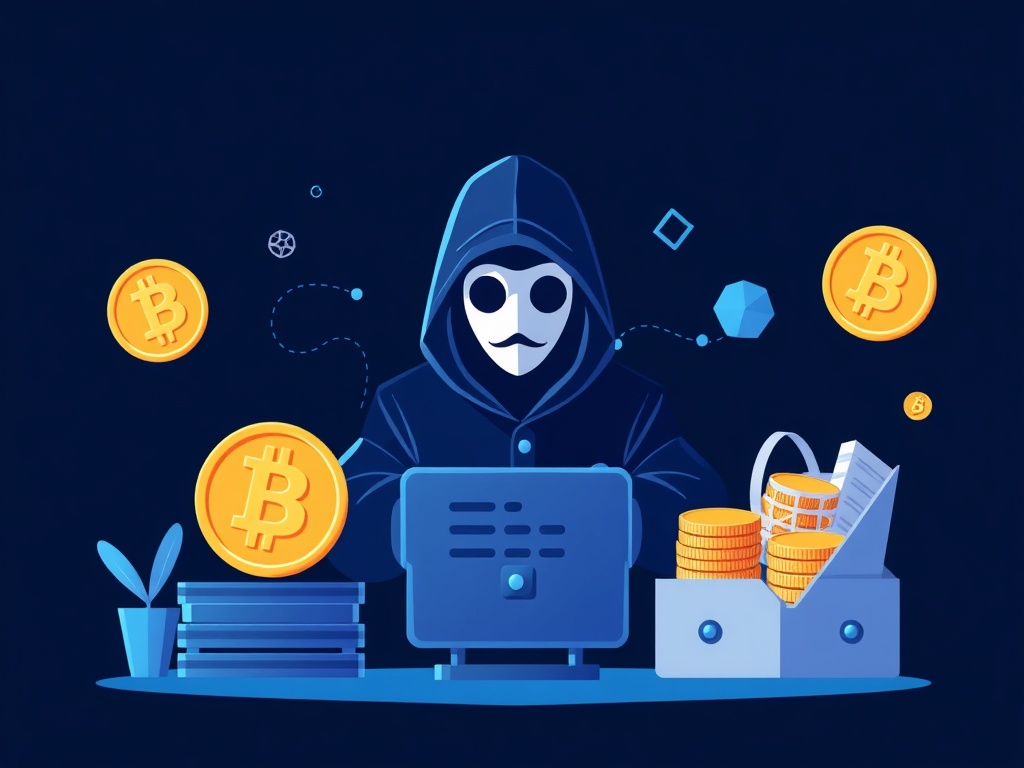
In an era where financial privacy is increasingly under scrutiny, the ability to make an anonymous crypto purchase has become a priority for many cryptocurrency users. Whether you're concerned about surveillance, data collection, or simply value your financial autonomy, understanding how to transact privately in the digital asset space is essential. This comprehensive guide explores the methods, tools, and best practices for achieving a truly anonymous crypto purchase, ensuring your transactions remain confidential and secure.
The concept of anonymity in cryptocurrency transactions is often misunderstood. While Bitcoin and other major cryptocurrencies are pseudonymous by design—meaning transactions are recorded on a public ledger but not directly tied to your identity—achieving full anonymity requires additional steps. An anonymous crypto purchase involves strategies to obfuscate your transaction trail, prevent tracking, and maintain privacy throughout the entire process, from acquisition to spending.
This article delves into the intricacies of privacy-focused cryptocurrency transactions, covering everything from the fundamentals of anonymity to advanced techniques used by privacy advocates. By the end, you'll have a clear understanding of how to execute an anonymous crypto purchase with confidence and security.
Understanding Cryptocurrency Anonymity: The Basics
Before diving into the methods of achieving an anonymous crypto purchase, it's crucial to grasp the foundational concepts of cryptocurrency anonymity. Unlike traditional banking systems, where transactions are tied to your identity through account numbers and personal details, cryptocurrencies operate on decentralized networks where transactions are recorded on a public ledger known as the blockchain.
The Difference Between Pseudonymity and Anonymity
Most cryptocurrencies, including Bitcoin (BTC), Ethereum (ETH), and Litecoin (LTC), are pseudonymous rather than anonymous. This means that while your transactions are not directly linked to your real-world identity, they are traceable on the blockchain. Each transaction includes wallet addresses, which can sometimes be linked back to an individual through various means such as IP address tracking, exchange KYC (Know Your Customer) requirements, or blockchain analysis tools.
An anonymous crypto purchase, therefore, goes beyond pseudonymity. It involves using techniques and tools to sever the link between your identity and your cryptocurrency transactions, making it exceedingly difficult for third parties to trace your financial activities.
Why Anonymity Matters in Cryptocurrency Transactions
There are several compelling reasons why individuals seek to make an anonymous crypto purchase:
- Privacy Protection: Financial privacy is a fundamental human right. Keeping your transaction history private prevents governments, corporations, or malicious actors from profiling your spending habits, income, or financial status.
- Security Against Targeted Attacks: Publicly visible cryptocurrency holdings can make you a target for hackers, scammers, or even physical threats in extreme cases. Anonymity reduces this risk by concealing your wealth.
- Censorship Resistance: In countries with strict financial regulations or capital controls, an anonymous crypto purchase can help individuals bypass censorship and access financial services without restriction.
- Preventing Surveillance: With increasing government surveillance and data collection, maintaining financial privacy is essential to avoid unnecessary scrutiny or discrimination based on your spending habits.
- Business Confidentiality: For businesses, keeping transaction details private can protect competitive advantages, client relationships, and strategic financial moves.
Common Misconceptions About Crypto Anonymity
Many people mistakenly believe that simply using Bitcoin or another cryptocurrency automatically grants them anonymity. This is far from the truth. Here are some common misconceptions:
- Bitcoin is Anonymous: Bitcoin transactions are recorded on a public ledger, and with the right tools, transactions can often be traced back to individuals.
- Mixers are Illegal: While some jurisdictions regulate or ban mixing services, they are not inherently illegal. Many privacy advocates use them to protect their financial privacy.
- Privacy Coins are Fully Anonymous: Coins like Monero (XMR) offer enhanced privacy features, but they are not 100% foolproof. Additional precautions are still necessary.
- Using a VPN is Enough: While a VPN can mask your IP address, it does not anonymize your blockchain transactions. It's just one piece of the puzzle.
Understanding these basics is the first step toward making a truly anonymous crypto purchase. The next sections will explore the tools and techniques that can help you achieve this goal.
Methods to Achieve an Anonymous Crypto Purchase
There are several methods available for executing an anonymous crypto purchase. Each method has its own advantages, limitations, and levels of effectiveness. The best approach often involves combining multiple techniques to maximize privacy. Below, we explore the most popular and effective methods.
1. Using Cryptocurrency Mixers (Tumblers)
Cryptocurrency mixers, also known as tumblers, are services designed to obfuscate the transaction trail of cryptocurrencies. They work by pooling funds from multiple users and redistributing them in a way that makes it difficult to trace the origin of the funds. This is one of the most effective ways to achieve an anonymous crypto purchase.
How Cryptocurrency Mixers Work
Here’s a step-by-step breakdown of how a typical mixer operates:
- Deposit: You send your cryptocurrency (e.g., Bitcoin) to the mixer’s address.
- Pooling: The mixer combines your funds with those of other users, breaking the direct link between your input and output addresses.
- Delay and Distribution: The mixer may hold your funds for a random period (to further obscure the timeline) and then send the equivalent amount to a new address you provide.
- Completion: You receive the "cleaned" cryptocurrency in your new wallet, making it much harder to trace back to your original transaction.
Popular Cryptocurrency Mixers
While the use of mixers has declined due to regulatory crackdowns, several reputable services still operate. Some of the most well-known include:
- Wasabi Wallet: A privacy-focused Bitcoin wallet that includes a built-in CoinJoin mixer. CoinJoin is a method where multiple users combine their transactions to obscure the transaction trail.
- Samourai Wallet: Another Bitcoin wallet with advanced privacy features, including the Whirlpool mixer, which allows users to mix their coins in a decentralized manner.
- JoinMarket: An open-source project that enables users to engage in CoinJoin transactions peer-to-peer, enhancing privacy without relying on a centralized service.
- ChipMixer: A Bitcoin mixer that emphasizes user anonymity by not requiring registration or storing logs. However, it has faced scrutiny from authorities.
Pros and Cons of Using Mixers
While mixers are highly effective for achieving an anonymous crypto purchase, they come with certain risks and limitations:
| Pros | Cons |
|---|---|
| Highly effective at breaking transaction trails | Some mixers may be shut down or compromised by authorities |
| Decentralized options (e.g., JoinMarket) reduce reliance on third parties | May require trust in the mixer’s honesty (though reputable mixers have no incentive to steal funds) |
| Can be used with any cryptocurrency that supports the mixer’s protocol | Some exchanges may flag or block funds that have passed through mixers |
| Provides a strong layer of privacy for large transactions | Transaction fees can be higher than standard transactions |
Best Practices When Using Mixers
To maximize the effectiveness of a mixer and ensure a successful anonymous crypto purchase, follow these best practices:
- Use Multiple Mixing Rounds: The more times you mix your coins, the harder it becomes to trace them. However, this also increases fees and processing time.
- Choose a Reputable Mixer: Stick to well-reviewed and trusted mixers to avoid scams or compromised services.
- Avoid Reusing Addresses: Always use a new wallet address for receiving mixed funds to prevent linking back to your original address.
- Check for Logs: Ensure the mixer does not store logs that could be subpoenaed or leaked. Services like Wasabi Wallet and Samourai Wallet are known for their commitment to privacy.
- Use a VPN or Tor: Always access the mixer through a secure connection to prevent IP address tracking.
2. Utilizing Privacy-Focused Cryptocurrencies
Another effective way to achieve an anonymous crypto purchase is by using privacy-focused cryptocurrencies. These coins are designed with built-in privacy features that obscure transaction details, making it difficult to trace the sender, receiver, or amount transacted. While no cryptocurrency is 100% anonymous, privacy coins offer a higher level of privacy than traditional cryptocurrencies like Bitcoin.
Top Privacy-Focused Cryptocurrencies
Here are some of the most popular privacy coins and their key features:
- Monero (XMR):
- Ring Signatures: Obscure the sender’s address by mixing it with others, making it difficult to determine the true sender.
- Stealth Addresses: Generate one-time addresses for each transaction, preventing the recipient’s address from being linked to their identity.
- Ring Confidential Transactions (RingCT): Hide the transaction amount, further enhancing privacy.
- Zcash (ZEC):
- zk-SNARKs: A cryptographic proof that allows transactions to be verified without revealing the sender, receiver, or amount. Transactions can be either transparent (like Bitcoin) or shielded (private).
- Selective Disclosure: Users can choose to reveal transaction details if needed, making it flexible for compliance purposes.
- Dash (DASH):
- PrivateSend: A mixing feature that combines transactions from multiple users to obscure the transaction trail.
- InstantSend: Enables near-instant transactions, which can be useful for privacy-conscious users who want to avoid prolonged exposure.
- Horizen (ZEN):
- Zendoo Sidechains: Allows for customizable privacy features, including shielded transactions.
- Secure Node Network: Enhances network security and privacy through a decentralized node system.
How to Use Privacy Coins for an Anonymous Crypto Purchase
To use privacy coins for an anonymous crypto purchase, follow these steps:
- Acquire Privacy Coins: Purchase privacy coins like Monero or Zcash from an exchange that supports them. Some exchanges may require KYC, so consider using decentralized exchanges (DEXs) or peer-to-peer (P2P) platforms to avoid identity verification.
- Transfer to a Privacy-Focused Wallet: Store your privacy coins in a wallet that supports their privacy features. For example, use the official Monero GUI wallet or a hardware wallet like Ledger with Monero support.
- Use Privacy Coins for Purchases: Many online retailers and services accept privacy coins for purchases. Alternatively, use a privacy coin to fund a mixer or another privacy-enhancing tool before making a purchase.
- Combine with Other Privacy Methods: For maximum anonymity, combine privacy coins with other techniques like mixers or VPNs. For example, you could convert Bitcoin to Monero (a process known as "moneroizing"), mix the Monero, and then use it for your purchase.
Pros and Cons of Privacy Coins
Privacy coins offer a powerful way to achieve an anonymous crypto purchase, but they also come with certain trade-offs:
| Pros | Cons |
|---|---|
| Built-in privacy features reduce the need for additional tools | Not all merchants accept privacy coins, limiting their usability |
| Transactions are inherently more private than Bitcoin or Ethereum | Some exchanges delist privacy coins due to regulatory pressure |
| Can be used in combination with other privacy methods for enhanced anonymity | Privacy coins may be subject to stricter regulations in some jurisdictions |
| Offers a higher level of anonymity than traditional cryptocurrencies |
3. Peer-to-Peer (P2P) Transactions
Peer-to-peer (P2P) transactions involve buying or selling cryptocurrency directly with another individual, without the involvement of a centralized exchange. This method is highly effective for achieving an anonymous crypto purchase because it eliminates the need for KYC verification, which is typically required by exchanges.
How P2P Transactions Work
P2P transactions can be conducted through various platforms and methods, including:
- Decentralized Exchanges (DEXs): Platforms like Bisq, LocalCryptos, and Hodl Hodl allow users to trade cryptocurrencies directly with one another without KYC requirements.
- Face-to-Face (F2F) Trades: Meeting in person to exchange cash for cryptocurrency. This method is highly private but carries physical security risks.
- Online Marketplaces: Websites like Paxful and LocalBitcoins facilitate P2P trades, though some may require identity verification for certain payment methods.
- Social Media and Forums: Platforms like Reddit, Telegram, or Discord have communities where users arrange P2P trades. Always exercise caution to avoid scams.
Steps to Execute a P2P Anonymous Crypto Purchase
To successfully make an anonymous crypto purchase via P2P, follow these steps:
- Choose a P2P Platform: Select a platform that does not require KYC for the transaction method you plan to use. Bisq and LocalCryptos are popular choices for privacy-focused users.
- Create an Account (If Required): Some P2P platforms require minimal registration, such as an email address, but do not mandate identity verification.
- Select a Seller/Buyer: Look for users with high ratings and positive reviews to minimize the risk of scams. Communicate securely, preferably through encrypted channels.
- Agree on Payment Method: Choose a payment method that does not require your identity to be linked to the transaction. Cash deposits, gift cards, or privacy-focused payment methods like PayPal (with a fake name) can be used, though they carry risks.
- Initiate the Trade: Send the agreed-upon payment to the seller and wait for them to release the cryptocurrency to your wallet address.
- Complete the Transaction: Once the cryptocurrency is received, confirm the transaction on the platform. Avoid leaving negative feedback unless absolutely necessary to maintain anonymity.
Pros and Cons of P2P Transactions
P2P transactions are a powerful tool for achieving an anonymous crypto purchase, but they come with their own set of challenges:
| Pros | Cons |
|---|---|
| No KYC requirements, preserving anonymity | Higher risk of scams or fraudulent sellers |

James Richardson
Senior Crypto Market Analyst
The Future of Financial Privacy: Assessing the Viability of Anonymous Crypto PurchasesAs a Senior Crypto Market Analyst with over a decade of experience in digital asset research, I’ve observed that the demand for financial privacy remains one of the most persistent yet contentious trends in the cryptocurrency space. Anonymous crypto purchases—whether through privacy-focused coins, decentralized exchanges (DEXs), or privacy-enhancing protocols—are often framed as a solution for individuals seeking to protect their financial sovereignty. However, the practicality of these methods is frequently overshadowed by regulatory scrutiny, technological limitations, and market fragmentation. While tools like Monero (XMR), Zcash (ZEC), or privacy-centric DEXs such as Bisq offer compelling privacy features, their adoption is constrained by Know Your Customer (KYC) requirements on centralized exchanges, which dominate liquidity. The tension between privacy and compliance is unlikely to dissipate, meaning that truly anonymous purchases will remain niche unless regulatory frameworks evolve to accommodate them. From an institutional and market dynamics perspective, the viability of anonymous crypto purchases is further complicated by liquidity constraints and the risk of illicit activity flagging. Privacy coins, for instance, have faced delisting pressures from major exchanges due to regulatory concerns, reducing their accessibility for mainstream users. Meanwhile, peer-to-peer (P2P) platforms and privacy-focused DEXs provide alternatives, but they often suffer from lower liquidity, higher slippage, and increased counterparty risk. For traders and investors, the trade-off between privacy and efficiency is stark: anonymous methods may protect anonymity but at the cost of convenience and market access. As a result, while anonymous crypto purchases hold ideological appeal for privacy advocates, their real-world utility is limited to specific use cases—such as high-net-worth individuals or entities operating in restrictive jurisdictions—rather than broad adoption. The future of this space will likely hinge on innovations in zero-knowledge proofs and regulatory clarity, but for now, the path remains fraught with challenges. Related articles |