How to Convert ETH to Monero: A Step-by-Step Guide for Secure Crypto Swaps
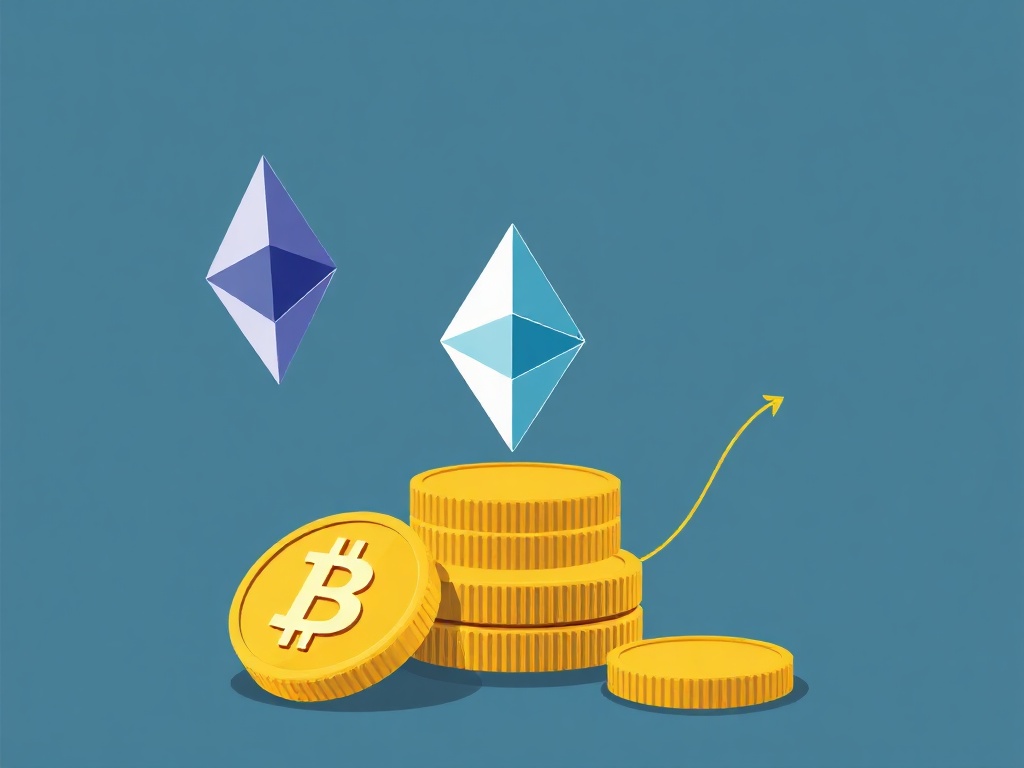
Converting ETH to Monero (XMR) is a common requirement for cryptocurrency users seeking enhanced privacy, lower transaction fees, or access to Monero’s unique features. Whether you're looking to convert ETH to Monero for privacy reasons, investment diversification, or simply to explore decentralized finance (DeFi) opportunities, this guide provides a detailed walkthrough of the best methods, tools, and considerations involved.
In this article, we’ll explore various platforms, tools, and strategies to safely and efficiently convert ETH to Monero, including decentralized exchanges (DEXs), centralized exchanges (CEXs), and privacy-focused mixing services. We’ll also discuss the benefits, risks, and best practices to ensure your transaction is secure and cost-effective.
---Why Would You Want to Convert ETH to Monero?
Before diving into the convert ETH to Monero process, it’s important to understand the motivations behind this swap. Monero is widely regarded as the leading privacy-focused cryptocurrency, offering unparalleled anonymity through its ring signature and stealth address technologies. Here are some key reasons why users choose to convert ETH to Monero:
1. Enhanced Privacy and Anonymity
Ethereum (ETH) transactions are fully transparent and traceable on the blockchain. While addresses are pseudonymous, sophisticated analysis tools can link transactions to real-world identities. Monero, on the other hand, obscures sender, receiver, and transaction amounts by default, making it nearly impossible to trace funds.
If privacy is a priority—whether for personal financial freedom, business confidentiality, or protection against surveillance—converting ETH to Monero offers a significant advantage.
2. Lower Transaction Fees
During periods of high network congestion on Ethereum, gas fees can skyrocket, making small transactions prohibitively expensive. Monero, with its efficient blockchain design and dynamic fee structure, typically offers much lower transaction costs. This makes it ideal for frequent or small-value transfers.
3. Access to Privacy-Focused DeFi and Services
Many privacy-centric decentralized applications (dApps), wallets, and services are built on or compatible with Monero. By converting ETH to Monero, users can participate in privacy-preserving financial ecosystems that are not available on Ethereum due to its transparent nature.
4. Diversification into Privacy Coins
Monero is one of the most established and widely adopted privacy coins in the cryptocurrency space. Holding XMR can be a strategic move for investors looking to diversify their portfolio with assets that offer strong privacy guarantees, especially in regions with restrictive financial regulations.
5. Avoiding Censorship and Surveillance
In countries with strict capital controls or financial surveillance, converting ETH to Monero can help users bypass censorship and maintain control over their wealth without exposing transaction histories to governments or third parties.
---Top Methods to Convert ETH to Monero
There are several ways to convert ETH to Monero, each with its own trade-offs in terms of speed, cost, privacy, and convenience. Below, we explore the most popular and reliable methods available in 2024.
1. Using Centralized Exchanges (CEXs)
Centralized exchanges are the most straightforward and user-friendly option for beginners looking to convert ETH to Monero. These platforms act as intermediaries, handling the conversion process for you.
Pros of Using CEXs:
- Ease of Use: Simple interface with guided steps.
- High Liquidity: Fast order execution even for large amounts.
- Regulatory Compliance: KYC/AML checks ensure security.
- Support: Access to customer service and dispute resolution.
Cons of Using CEXs:
- Privacy Concerns: Requires identity verification (KYC).
- Higher Fees: Trading and withdrawal fees can be significant.
- Custodial Risk: You must trust the exchange with your funds.
Popular CEXs for Converting ETH to Monero:
- Binance: Offers ETH/XMR trading pairs with competitive fees.
- Kraken: Known for strong security and privacy features (though KYC is required).
- Huobi: Supports multiple ETH/XMR pairs and has a global user base.
- Gate.io: Provides low fees and high liquidity for ETH to XMR conversions.
Step-by-Step Guide to Convert ETH to Monero on Binance:
- Sign Up and Verify: Create an account on Binance and complete KYC verification.
- Deposit ETH: Go to the "Deposit" section, select ETH, and transfer your Ethereum from an external wallet or purchase it directly using fiat.
- Navigate to the ETH/XMR Market: Go to the "Trade" section and select the ETH/XMR trading pair.
- Place a Sell Order: Choose "Sell ETH" and enter the amount you wish to convert to XMR. Select "Market" for instant execution or "Limit" to set a price.
- Withdraw XMR: Once the trade is complete, go to the "Withdraw" section, select XMR, and enter your Monero wallet address. Confirm the transaction.
Note: Always double-check the Monero wallet address before confirming the withdrawal to avoid irreversible mistakes.
---2. Using Decentralized Exchanges (DEXs)
For users who prioritize decentralization and self-custody, decentralized exchanges (DEXs) offer a non-custodial way to convert ETH to Monero. However, due to Monero’s privacy features and Ethereum’s transparency, direct ETH/XMR pairs are rare on DEXs.
Challenges with DEXs:
- Limited Liquidity: Few DEXs support direct ETH to XMR swaps.
- Wrapped Tokens Required: Some platforms require converting ETH to wETH (wrapped ETH) first.
- Bridge Complexity: May involve multiple steps or bridges (e.g., Ethereum → BSC → Monero).
Workarounds for DEX-Based Conversion:
One common method is to use a multi-step process involving a stablecoin intermediary:
- Swap ETH to a Stablecoin (e.g., USDC): Use a DEX like Uniswap or SushiSwap to convert ETH to a stablecoin.
- Bridge to a Privacy Chain: Transfer the stablecoin to a privacy-focused blockchain (e.g., via Railgun or Aztec Network).
- Convert to XMR: Use a privacy-focused exchange or service to convert the privacy coin to Monero.
Alternatively, some users leverage cross-chain bridges like THORChain or Wormhole to move ETH directly to a Monero-compatible chain, though this is still experimental and carries risks.
Recommended DEXs for ETH Swaps:
- Uniswap: The largest Ethereum DEX for ETH to stablecoin swaps.
- SushiSwap: Offers additional features like yield farming.
- 1inch: Aggregates liquidity from multiple DEXs for better rates.
Important: Always research the smart contracts and liquidity pools before using a DEX to avoid scams or impermanent loss.
---3. Using Privacy-Focused Exchanges and Mixers
For users who want to convert ETH to Monero while maintaining maximum privacy, privacy-focused exchanges and mixing services are ideal. These platforms are designed to obscure transaction trails and prevent blockchain analysis.
What Are Privacy-Focused Exchanges?
These are exchanges that do not require KYC and offer features like coin mixing, stealth addresses, and obfuscated transaction histories. They allow users to swap cryptocurrencies without exposing their identities or transaction patterns.
Top Privacy-Focused Platforms for Converting ETH to Monero:
- Bisq: A decentralized, peer-to-peer exchange that supports ETH/XMR trades without KYC. Transactions are settled on-chain with multisig escrow.
- Haveno: A Monero-native DEX that allows users to trade ETH for XMR directly, with no central authority.
- LocalMonero: A peer-to-peer marketplace where users can buy XMR with ETH (or other currencies) in private, over-the-counter (OTC) trades.
- BTCmixer: While primarily a Bitcoin mixer, some services like BTCmixer offer ETH-to-XMR conversion paths with enhanced privacy features.
How to Use Bisq to Convert ETH to Monero:
- Download and Install Bisq: Available for Windows, macOS, and Linux. Ensure you download from the official website.
- Set Up a Wallet: Bisq includes a built-in wallet, but you can also connect an external wallet.
- Fund Your Account: Deposit ETH into your Bisq wallet by generating a receiving address.
- Create a Trade: Go to the "Buy XMR" section, select ETH as the payment method, and set your price and amount.
- Complete the Trade: Bisq will match you with a counterparty. Once the trade is initiated, the ETH is held in escrow. After you send ETH, the XMR is released to your wallet.
- Withdraw XMR: Transfer your Monero to a private wallet like Monero GUI Wallet or Feather Wallet.
Note: Bisq transactions may take several hours to complete due to the decentralized nature of the platform. Always use a secure internet connection and verify the trade details before confirming.
---Security and Privacy Considerations When Converting ETH to Monero
While converting ETH to Monero can enhance privacy, it’s essential to follow best practices to avoid scams, hacks, or accidental fund loss. Below are critical security and privacy tips to keep in mind.
1. Avoid Phishing and Scam Websites
Always ensure you are using the official website or application of any exchange or service. Scammers often create fake "mirror" sites to steal login credentials or funds. Double-check URLs and look for HTTPS and valid SSL certificates.
- Bookmark official sites: Save the correct URLs in your browser.
- Use hardware wallets: For large amounts, store your ETH and XMR in a hardware wallet like Ledger or Trezor.
- Enable 2FA: Use two-factor authentication on all exchange accounts.
2. Use Privacy-Focused Wallets
When receiving Monero, always use a wallet that supports Monero’s privacy features. Avoid reusing addresses and consider using subaddresses for better anonymity.
- Monero GUI Wallet: Official desktop wallet with full node support.
- Feather Wallet: Lightweight, privacy-focused wallet with built-in Tor support.
- MyMonero: Web and mobile wallet with simple interface.
3. Be Cautious with Mixing Services
While mixing services can help obscure transaction trails, not all are trustworthy. Some may be scams, while others could log your IP address or transaction data. If you use a mixer to convert ETH to Monero, choose reputable, open-source services with transparent operations.
- BTCmixer: Offers ETH mixing with optional delays to break transaction links.
- Wasabi Wallet: Primarily for Bitcoin but can be used in combination with bridges for privacy.
- Avoid unknown mixers: Stick to well-reviewed platforms with community endorsements.
4. Monitor Transaction Fees and Slippage
When converting ETH to Monero, especially on DEXs or during high network activity, be aware of gas fees and slippage. Slippage occurs when the price changes between the time you place an order and when it’s executed.
- Use limit orders: Set a maximum acceptable price to avoid unexpected costs.
- Check gas trackers: Use tools like Etherscan Gas Tracker to monitor Ethereum network fees.
- Compare platforms: Use aggregators like CoinGecko or CoinMarketCap to find the best rates.
5. Keep Your Identity Private
Even when using privacy coins, metadata leaks can compromise your anonymity. Avoid discussing your transactions on public forums, social media, or with untrusted parties. Use VPNs or Tor when accessing exchange websites to mask your IP address.
---Step-by-Step: Converting ETH to Monero Using a Privacy-Focused Approach
To illustrate the process, let’s walk through a detailed example of how to convert ETH to Monero using a privacy-focused, non-custodial method via Bisq.
Step 1: Prepare Your Wallets
Before starting, ensure you have:
- A secure Ethereum wallet (e.g., MetaMask, Ledger) with ETH.
- A Monero wallet (e.g., Monero GUI Wallet) with a fresh address.
- Bisq installed and synced (takes ~30 minutes on first run).
Step 2: Fund Your Bisq Wallet with ETH
- Open Bisq and go to the "Funds" tab.
- Select "Receive" under the ETH section.
- Copy the receiving address or scan the QR code.
- Send ETH from your external wallet to this address. Wait for 12+ confirmations.
Step 3: Create a Buy Order for XMR
- Go to the "Buy XMR" section.
- Set the amount of ETH you want to sell (e.g., 1 ETH).
- Choose a price (market price or set a limit slightly below market to ensure quick matching).
- Select payment method: ETH.
- Set a security deposit (typically 10-20% of trade value). This is held in escrow to prevent fraud.
- Review and confirm the order.
Step 4: Wait for a Counterparty
Bisq matches buyers and sellers peer-to-peer. This may take minutes to hours depending on market conditions and your price.
Step 5: Complete the Trade
- Once matched, Bisq will notify you. The ETH is now held in escrow.
- Follow the instructions to send the ETH to the seller’s address.
- Wait for the seller to confirm receipt and release the XMR.
- Once released, the XMR will appear in your Bisq wallet.
Step 6: Withdraw XMR to a Private Wallet
- Go to the "Funds"
 James RichardsonSenior Crypto Market Analyst
Strategic Considerations When You Convert ETH to Monero: A Senior Analyst’s Perspective
As a Senior Crypto Market Analyst with over a decade of experience in digital asset valuation and blockchain research, I’ve observed that converting ETH to Monero is not merely a transaction—it’s a strategic decision influenced by privacy, cost efficiency, and market dynamics. Ethereum, as the backbone of DeFi and smart contracts, offers unparalleled utility, but its transparency can be a drawback for users prioritizing financial privacy. Monero, on the other hand, is purpose-built for anonymity, leveraging ring signatures, stealth addresses, and confidential transactions to obscure transaction trails. When considering a conversion, investors must weigh the trade-offs: while ETH provides liquidity and ecosystem access, Monero delivers fungibility and privacy—attributes increasingly valuable in an era of heightened surveillance and regulatory scrutiny. From a valuation perspective, the decision often hinges on whether the premium for privacy justifies the potential opportunity cost of exiting Ethereum’s vibrant ecosystem.
Practically speaking, the process of converting ETH to Monero requires careful planning to minimize slippage and fees. Centralized exchanges like Kraken or Binance offer straightforward routes, but they may compromise privacy due to KYC requirements. For users seeking anonymity, decentralized exchanges (DEXs) paired with privacy-focused bridges or atomic swaps present a viable alternative, though they introduce complexity and potential smart contract risks. I’ve seen institutional players favor over-the-counter (OTC) desks for large conversions to avoid market impact, while retail users often opt for privacy-focused services like Bisq or Haveno. Regardless of the method, timing is critical—Ethereum’s gas fees and Monero’s network congestion can significantly affect the final yield. My recommendation? Conduct a cost-benefit analysis tailored to your use case, whether it’s hedging against regulatory risks or simply aligning with personal financial sovereignty goals.