Enhanced Due Diligence in BTC Mixer Transactions: A Comprehensive Guide for Privacy-Conscious Users
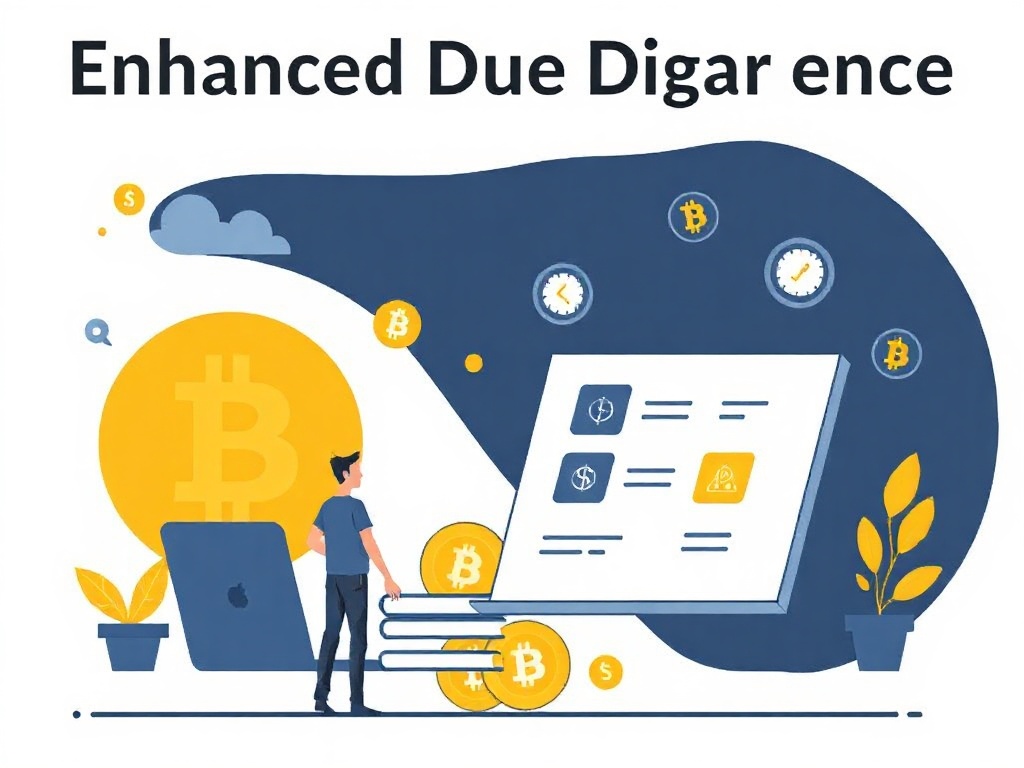
In the evolving landscape of cryptocurrency transactions, enhanced due diligence has become a critical practice for users seeking to maintain financial privacy while navigating platforms like BTC mixers. As regulatory scrutiny intensifies and blockchain transparency increases, individuals using Bitcoin mixers must adopt a proactive approach to ensure compliance, security, and anonymity. This guide explores the nuances of enhanced due diligence in the context of BTC mixer transactions, offering actionable insights for both novice and experienced users.
The intersection of privacy tools and regulatory requirements presents unique challenges. While BTC mixers—also known as Bitcoin tumblers—offer a means to obfuscate transaction trails, they also attract attention from financial authorities and compliance teams. Understanding how to implement enhanced due diligence can help users mitigate risks associated with fund tracing, regulatory penalties, and potential exposure to illicit activity investigations. This article delves into the key components of enhanced due diligence, best practices for BTC mixer users, and the evolving legal framework governing these privacy-enhancing tools.
---Understanding BTC Mixers and Their Role in Financial Privacy
What Is a BTC Mixer and How Does It Work?
A BTC mixer, or Bitcoin tumbler, is a service designed to enhance transactional privacy by breaking the direct link between the sender and receiver of Bitcoin. When users deposit funds into a mixer, the service pools these funds with those of other users, then redistributes them to new addresses in a randomized manner. This process effectively severs the on-chain connection between the original sender and the final recipient, making it significantly harder for third parties to trace the flow of funds.
The core mechanism of a BTC mixer relies on coin mixing, where multiple transactions are combined and split to create a complex web of inputs and outputs. For example, if User A sends 1 BTC to a mixer, the service might split this amount into smaller denominations (e.g., 0.1 BTC, 0.2 BTC, 0.7 BTC) and send these to different addresses controlled by various users. The recipient of the mixed funds receives a portion of the pooled amount, ensuring that the original source of the funds is obscured.
Why Do Users Turn to BTC Mixers?
Privacy concerns are the primary driver behind the use of BTC mixers. Bitcoin’s public ledger, the blockchain, records all transactions in a transparent and immutable manner. While addresses are pseudonymous, sophisticated blockchain analysis tools can link transactions to real-world identities through techniques such as address clustering, IP tracking, and exchange withdrawals. For individuals who value financial privacy—whether for personal, professional, or security reasons—BTC mixers provide a layer of anonymity that raw blockchain transactions cannot offer.
Other reasons users may employ BTC mixers include:
- Protection against surveillance: Governments, corporations, and malicious actors may monitor Bitcoin transactions for financial profiling or targeted attacks. Mixers disrupt this surveillance by breaking transaction trails.
- Business confidentiality: Companies handling large Bitcoin transactions may use mixers to prevent competitors from tracking their financial activities.
- Personal security: High-net-worth individuals or those in high-risk professions may use mixers to avoid exposing their wealth or transaction patterns.
- Regulatory arbitrage: In jurisdictions with strict capital controls or financial censorship, mixers can help users bypass restrictions on cross-border transactions.
The Legal and Ethical Debate Surrounding BTC Mixers
The use of BTC mixers exists in a legal gray area, with varying stances across jurisdictions. Some countries, such as the United States and the European Union, have implemented regulations that require cryptocurrency service providers to perform enhanced due diligence on transactions involving privacy tools like mixers. These regulations aim to combat money laundering, terrorist financing, and other illicit activities while preserving the legitimate use of privacy-enhancing technologies.
Ethically, the debate centers on the balance between privacy and accountability. Proponents argue that financial privacy is a fundamental right, akin to the privacy of cash transactions. Critics, however, contend that mixers facilitate illicit activities by enabling bad actors to obscure the origins of their funds. This dual-use nature complicates the regulatory landscape, prompting calls for clearer guidelines on when and how enhanced due diligence should be applied to mixer transactions.
---The Importance of Enhanced Due Diligence in BTC Mixer Transactions
Mitigating Regulatory Risks with Enhanced Due Diligence
As governments worldwide tighten their grip on cryptocurrency transactions, users of BTC mixers face increasing regulatory risks. Failure to conduct enhanced due diligence can result in severe consequences, including frozen funds, legal penalties, or even criminal charges. Regulatory bodies such as the Financial Action Task Force (FATF) and the U.S. Financial Crimes Enforcement Network (FinCEN) have issued guidelines that classify mixers as "high-risk" services, necessitating stricter compliance measures.
For users, this means that simply using a mixer is no longer sufficient to ensure safety. Instead, individuals must adopt a proactive stance by verifying the legitimacy of the mixer service, understanding its fee structures, and ensuring that the mixing process aligns with their risk tolerance. Enhanced due diligence in this context involves:
- Service provider verification: Researching the mixer’s reputation, history, and compliance with local regulations.
- Transaction monitoring: Tracking the progress of mixed funds to ensure they reach the intended destination without delays or losses.
- Fee analysis: Comparing the costs of different mixers to avoid overpaying or falling victim to scams.
- Legal consultation: Seeking advice from legal experts familiar with cryptocurrency regulations in their jurisdiction.
Protecting Against Scams and Fraudulent Mixers
The anonymity provided by BTC mixers also makes them a prime target for scammers. Fraudulent mixer services may abscond with user funds, fail to deliver mixed coins, or implement hidden fees that erode the value of transactions. To combat these risks, users must conduct thorough enhanced due diligence before engaging with any mixer platform. Key red flags to watch for include:
- Lack of transparency: Mixers that do not provide clear information about their team, operational history, or fee structures.
- Unrealistic promises: Services that guarantee 100% anonymity or claim to be "untraceable" are often misleading, as no mixer can provide absolute privacy.
- Poor user reviews: Negative feedback from other users, particularly regarding fund recovery or customer support, should raise concerns.
- Centralized control: Mixers that require users to deposit funds into a single address controlled by the service provider are higher-risk, as they centralize control and increase the potential for fraud.
To avoid scams, users should prioritize mixers that employ decentralized or peer-to-peer mixing protocols, such as CoinJoin implementations. These services distribute control among multiple participants, reducing the risk of a single point of failure. Additionally, users should test smaller transactions before committing larger amounts to gauge the mixer’s reliability.
Balancing Privacy with Compliance: The Role of Enhanced Due Diligence
One of the most challenging aspects of using BTC mixers is striking a balance between privacy and compliance. While mixers are designed to obscure transaction trails, regulators increasingly demand that users demonstrate the legitimacy of their funds. This is where enhanced due diligence plays a pivotal role. By maintaining detailed records of transactions, users can provide evidence of the source of their funds if questioned by authorities or financial institutions.
For example, if a user mixes funds obtained from a legitimate salary payment, they should retain documentation such as pay stubs or bank statements to prove the origin of the coins. Similarly, if funds are derived from cryptocurrency mining or trading profits, records of mining activities or exchange transactions can serve as supporting evidence. This documentation not only protects users from regulatory scrutiny but also reinforces the legitimacy of their use of a BTC mixer.
Moreover, users should be aware of the concept of travel rule compliance, which requires cryptocurrency service providers to share transaction details with counterparties in certain jurisdictions. While this rule primarily targets exchanges and custodial services, it underscores the importance of maintaining transparent records when using privacy tools like mixers. By integrating enhanced due diligence into their transactional practices, users can navigate the regulatory landscape more effectively while preserving their privacy.
---Step-by-Step Guide to Conducting Enhanced Due Diligence for BTC Mixer Users
Step 1: Researching and Selecting a Reputable BTC Mixer
The first and most critical step in conducting enhanced due diligence is selecting a trustworthy BTC mixer. With numerous options available, users must evaluate each service based on several key criteria:
- Reputation and Reviews:
- Check forums such as BitcoinTalk, Reddit, or specialized cryptocurrency communities for user experiences and feedback.
- Look for mixers with a long operational history and a track record of reliability.
- Be wary of services with a high volume of complaints about lost funds or poor customer support.
- Fee Structure and Transparency:
- Compare the fees charged by different mixers, as excessive fees can significantly reduce the value of mixed funds.
- Ensure the fee structure is transparent and does not include hidden charges or unexpected deductions.
- Some mixers charge a fixed fee, while others use a percentage-based model. Choose the option that aligns with your transaction size.
- Mixing Algorithm and Technology:
- Opt for mixers that use advanced mixing algorithms, such as CoinJoin or Chaumian CoinJoin, which provide higher levels of privacy.
- Decentralized mixers, which distribute control among multiple participants, are generally more secure than centralized alternatives.
- Avoid mixers that require users to deposit funds into a single address controlled by the service provider.
- User Interface and Experience:
- Choose a mixer with an intuitive and user-friendly interface to minimize the risk of errors during the mixing process.
- Look for services that provide clear instructions and support for users who may be new to Bitcoin mixing.
- Legal Compliance:
- Verify whether the mixer complies with local regulations, such as anti-money laundering (AML) and know-your-customer (KYC) requirements.
- Some mixers may require users to provide identification or proof of funds, which can compromise privacy. Weigh the trade-offs between compliance and anonymity.
Popular BTC mixers that often receive positive reviews for their reliability and privacy features include Wasabi Wallet, Samourai Wallet, and JoinMarket. However, users should conduct their own research to determine which mixer best suits their needs.
Step 2: Preparing Your Bitcoin for Mixing
Before using a BTC mixer, it’s essential to prepare your Bitcoin to maximize privacy and minimize traceability. This involves several best practices:
- Use Fresh Addresses:
- Avoid reusing Bitcoin addresses, as this can link multiple transactions to the same wallet and reduce privacy.
- Generate a new address for each transaction, especially when sending funds to a mixer.
- Break Down Large Transactions:
- If you’re mixing a large amount of Bitcoin, consider breaking it into smaller transactions to avoid drawing attention.
- Some mixers have minimum and maximum transaction limits, so plan accordingly.
- Use a Dedicated Wallet for Mixing:
- Create a separate wallet specifically for mixing transactions to avoid linking your primary holdings to privacy-enhancing activities.
- This wallet should not be used for other purposes, such as trading or spending.
- Avoid Mixing Funds from Suspicious Sources:
- Mixing funds obtained from illicit activities can result in legal consequences, even if the mixing process itself is legitimate.
- Ensure that the source of your Bitcoin is legal and well-documented.
- Use a VPN or Tor for Anonymity:
- Access the mixer’s website using a virtual private network (VPN) or the Tor browser to mask your IP address and location.
- This step is particularly important if you’re using a centralized mixer that may log IP addresses.
By following these preparation steps, users can enhance the effectiveness of their mixing process and reduce the risk of their transactions being traced back to them.
Step 3: Executing the Mixing Process with Enhanced Due Diligence
Once you’ve selected a mixer and prepared your Bitcoin, the next step is to execute the mixing process while maintaining enhanced due diligence. This involves several key actions:
- Set Clear Mixing Parameters:
- Determine the desired level of privacy and set the mixer’s parameters accordingly. For example, you may choose to mix your funds multiple times to increase obfuscation.
- Some mixers allow users to specify the number of mixing rounds or the delay between transactions. Higher settings provide better privacy but may increase fees or processing time.
- Monitor the Mixing Process:
- Keep track of the mixing progress using the mixer’s interface or blockchain explorers like Blockchain.com or Blockstream.info.
- Verify that the mixed funds are being sent to the correct destination addresses and that no unexpected delays or errors occur.
- Document the Transaction:
- Maintain detailed records of the mixing process, including transaction IDs, timestamps, and addresses involved.
- These records can serve as evidence of the legitimacy of your funds if questioned by authorities or financial institutions.
- Verify the Destination Addresses:
- Double-check that the addresses receiving the mixed funds are under your control and not associated with any suspicious activities.
- Avoid using exchange addresses or addresses linked to known illicit services.
- Test with a Small Amount First:
- Before mixing a large sum, test the process with a small amount to ensure the mixer is functioning correctly and that you can recover the funds if necessary.
Throughout this process, users should remain vigilant for any signs of irregularities, such as unexpected fees, delayed transactions, or funds sent to unknown addresses. If any issues arise, users should contact the mixer’s customer support immediately and consider using an alternative service.
Step 4: Post-Mixing Best Practices for Enhanced Due Diligence
The work doesn’t end once the mixing process is complete. To fully leverage enhanced due diligence, users must adopt post-mixing best practices that ensure long-term privacy and compliance:
- Store Mixed Funds Securely:
- Transfer the mixed Bitcoin to a secure wallet, such as a hardware wallet or a wallet with strong encryption.
- Avoid keeping mixed funds in exchange wallets or hot wallets, as these may be subject to hacking or regulatory scrutiny.
- Avoid Reusing Addresses:
- Generate new addresses for each transaction to prevent linking your mixed funds to your identity or other transactions.
- Monitor for Suspicious Activity:
- Regularly check your wallet and transaction history for any signs of unauthorized access or suspicious activity.
- Use blockchain explorers to verify that your mixed funds are not being linked to illicit activities by third parties.
- Maintain Transaction Records:
- Keep detailed records of all mixing transactions, including dates, amounts, addresses, and fees. These records can be invaluable in the event of an audit or legal inquiry.
- Stay Informed About Regulatory Changes:
- Cryptocurrency regulations are constantly evolving, and staying up-to-date with changes in your jurisdiction is crucial for maintaining compliance.
- Follow reputable sources such as regulatory bodies, cryptocurrency
 James RichardsonSenior Crypto Market Analyst
Enhanced Due Diligence in Crypto: A Senior Analyst’s Perspective on Mitigating Digital Asset Risks
As a Senior Crypto Market Analyst with over a decade of experience in digital asset research, I’ve seen firsthand how traditional due diligence frameworks often fall short in the fast-evolving crypto landscape. Enhanced due diligence (EDD) isn’t just a regulatory checkbox—it’s a critical safeguard for institutions and sophisticated investors navigating the inherent risks of blockchain-based assets. Unlike standard KYC/AML procedures, EDD dives deeper into transaction patterns, counterparty exposure, and on-chain behavior, particularly when dealing with high-risk jurisdictions, privacy coins, or DeFi protocols with opaque governance structures. My work has shown that EDD isn’t static; it must adapt to emerging threats like sanctioned address exposure, rug pulls in DeFi, or the misuse of mixers like Tornado Cash. Institutions that treat EDD as a dynamic process—integrating real-time blockchain analytics, sanctions screening, and behavioral modeling—reduce their exposure to fraud, market manipulation, and regulatory penalties.
Practically speaking, EDD in crypto requires a multi-layered approach that goes beyond surface-level checks. For example, when evaluating a new token or DeFi protocol, I prioritize on-chain forensic analysis to assess liquidity concentration, smart contract vulnerabilities, and whale transaction patterns. Tools like Chainalysis, TRM Labs, or Nansen provide invaluable insights, but they must be complemented by manual reviews of governance proposals, audit reports, and community sentiment. I’ve also observed that EDD is most effective when tailored to the asset’s risk profile—stablecoins demand different scrutiny than memecoins, and institutional DeFi strategies require granular assessments of impermanent loss risks and protocol insolvency scenarios. The key takeaway? Enhanced due diligence isn’t a one-size-fits-all solution; it’s a strategic imperative that evolves with the market’s sophistication. Institutions that invest in robust EDD frameworks not only protect their capital but also gain a competitive edge in identifying high-conviction opportunities before they’re priced in.