A Comprehensive Guide to open-source mixer code and the btcmixer_en2 Ecosystem
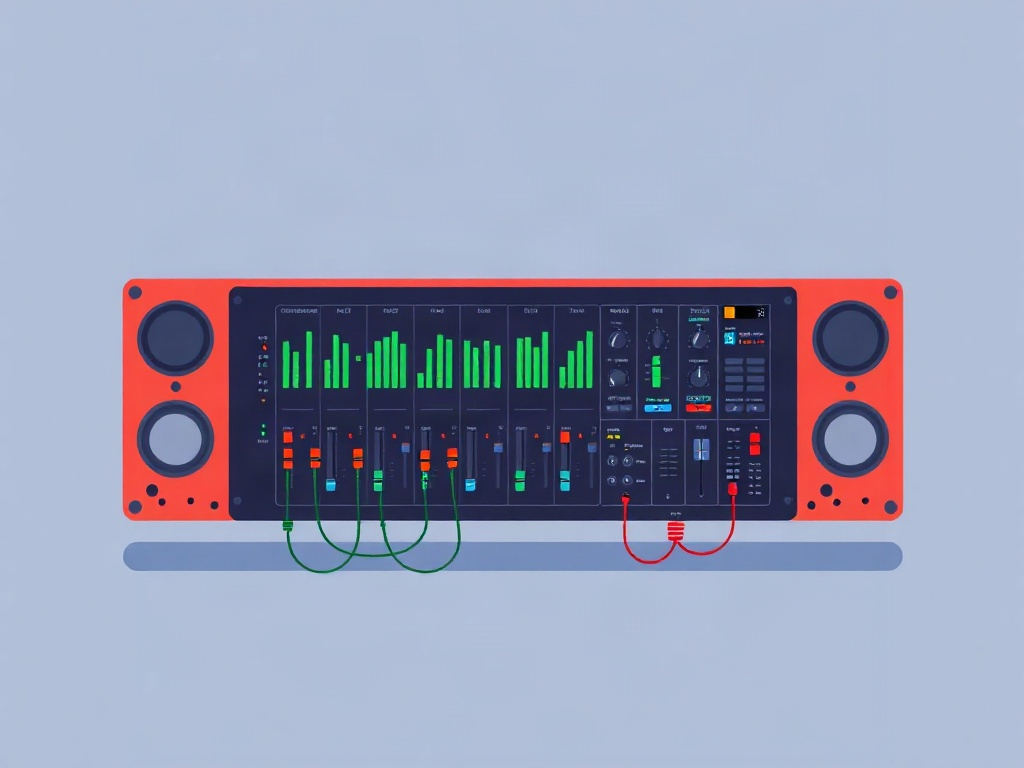
In the rapidly evolving landscape of digital audio production and embedded systems development, few topics generate as much interest among engineers, hobbyists, and audio enthusiasts as the inner workings of mixer architectures. At the heart of many modern, flexible audio solutions lies open-source mixer code, a foundation that empowers developers to customize, extend, and innovate without the constraints of proprietary firmware. Among the noteworthy projects in this space, btcmixer_en2 has emerged as a compelling example of how community-driven development can shape high-performance audio mixing capabilities. This article dives deep into the philosophy, architecture, and practical applications of open-source mixer code, with a special focus on the btcmixer_en2 framework and how it exemplifies best practices in the field.
The term open-source mixer code refers to the publicly available source code that implements the logic, signal routing, user interface, and hardware abstraction layers for audio mixing functions. Unlike closed-source alternatives, this code is hosted on repositories such as GitHub, GitLab, or Bitbucket, allowing anyone to inspect, modify, and redistribute the software. The transparency not only fosters trust but also accelerates bug fixes, feature additions, and porting to new hardware platforms. For developers working on everything from portable digital audio workstations to IoT-enabled sound systems, understanding the structure and potential of open-source mixer code is the first step toward building robust, future-proof audio solutions.
Understanding the Foundations of open-source mixer code
At its core, open-source mixer code is designed to abstract the complexities of audio hardware while providing a flexible framework for signal management. A typical mixer codebase handles tasks such as channel volume control, panning, equalization, effect sends, and master output routing. These functions are often implemented using a combination of C or C++ firmware, Python scripts for configuration, and JSON or YAML files for preset management. The modular nature of the code allows developers to enable or disable specific features based on target hardware constraints, making it ideal for both high-end desktop applications and resource-constrained microcontroller environments.
One of the key philosophical pillars of open-source mixer code is community collaboration. Projects like btcmixer_en2 thrive on contributions from diverse stakeholders: firmware engineers writing low-level drivers, UI/UX designers crafting intuitive control surfaces, audio theorists optimizing signal paths, and power users reporting bugs or suggesting enhancements. This collaborative ecosystem ensures that the codebase remains relevant, secure, and aligned with real-world usage patterns. Moreover, the use of version control systems like Git, combined with pull request workflows, provides a transparent history of changes, making it easier to track the evolution of features and understand the reasoning behind architectural decisions.
Modular Architecture and Signal Flow
A well-structured open-source mixer code repository typically organizes its logic into distinct modules. Common modules include a core engine responsible for real-time audio processing, a configuration layer that reads user settings and hardware parameters, and a driver interface that communicates with the underlying audio codec or DAC hardware. This separation of concerns not only simplifies debugging but also enables developers to swap out components—for instance, replacing a software-based EQ with a hardware-accelerated variant—without disrupting the rest of the system.
Cross-Platform Compatibility
Another hallmark of mature open-source mixer code is its ability to run across multiple operating systems and hardware architectures. Whether targeting Linux-based single-board computers, Windows VST plugins, or embedded RTOS environments, the codebase often employs conditional compilation, abstraction layers, and portable data types. The btcmixer_en2 project, for instance, provides configuration profiles that auto-detect the host system and adjust buffer sizes, sample rates, and input/output routing accordingly. This cross-platform readiness significantly lowers the barrier to entry for developers looking to integrate professional-grade mixing capabilities into their projects.
Key Features of btcmixer_en2 and Its Codebase
The btcmixer_en2 firmware represents a significant leap forward in the usability and performance of open-source mixer solutions. Built on a foundation of clean, documented open-source mixer code, btcmixer_en2 introduces a suite of features that cater to both novice tinkerers and seasoned audio engineers. Its architecture is designed around a plugin-based system, allowing third-party developers to extend functionality without modifying the core codebase. This approach not only future-proofs the project but also encourages a vibrant ecosystem of add-ons, ranging from vintage emulation EQs to modern spatial audio processors.
Among the standout features of btcmixer_en2 is its real-time parameter automation. Unlike many open-source mixers that rely on static configuration files, btcmixer_en2 supports dynamic modulation of mix parameters via MIDI, OSC, or internal envelopes. This capability opens the door to interactive live performances, generative music systems, and automated studio workflows. The implementation leverages a lightweight scripting language embedded within the firmware, enabling users to define complex routing and processing chains through simple code snippets or visual patching interfaces.
Integrated Metering and Visualization
Modern audio production demands not just functional mixing but also precise monitoring. The btcmixer_en2 codebase includes integrated metering modules that display peak levels, RMS values, and frequency spectrum data directly on the user interface. These visualizations are powered by efficient FFT (Fast Fourier Transform) algorithms optimized for the target hardware, ensuring minimal CPU overhead while providing accurate, real-time feedback. For developers, the metering code is fully exposed, meaning it can be customized to match specific branding requirements or integrated into larger monitoring suites.
Hardware Abstraction and Portability
One of the most challenging aspects of mixer development is handling the diversity of audio hardware—from high-end USB interfaces to low-cost embedded codecs. The btcmixer_en2 project addresses this through a robust hardware abstraction layer (HAL). The HAL translates generic mixer commands into device-specific I2C, SPI, or USB transfers, allowing the same firmware binary to run on multiple platforms with minimal configuration. This design philosophy aligns perfectly with the ethos of open-source mixer code, where portability and hardware independence are paramount.
Best Practices for Working with open-source mixer code
For developers venturing into the world of open-source mixer code, adhering to established best practices can mean the difference between a maintainable, scalable project and a fragile, difficult-to-extend codebase. The first and most important principle is to prioritize documentation. Well-commented code, a comprehensive README file, and clear API references lower the onboarding curve for new contributors and reduce the likelihood of introducing regressions during future modifications.
Another critical practice is to implement thorough testing suites. Audio software is notoriously sensitive to edge cases—sample rate mismatches, buffer underruns, and clipping artifacts can all manifest as subtle bugs that are hard to reproduce. The btcmixer_en2 project exemplifies this by including a battery of unit tests that validate channel gain staging, DSP algorithm correctness, and memory management under various load conditions. Developers are encouraged to write similar tests, using frameworks such as Unity Testing Platform for C code or pytest for Python-based configuration scripts.
Code Review and Version Management
Given the collaborative nature of open-source mixer code, a rigorous code review process is essential. Pull requests should be accompanied by detailed descriptions of the changes, rationale, and any potential impacts on performance or compatibility. Maintainers should enforce coding standards, such as consistent naming conventions, proper error handling, and adherence to the project's style guide. Additionally, semantic versioning should be strictly followed; breaking changes must be clearly documented in release notes, and deprecated features should be marked for gradual removal rather than abrupt deletion.
Performance Optimization
Real-time audio processing imposes strict constraints on CPU usage, memory latency, and interrupt handling. When working with open-source mixer code, developers should profile their DSP algorithms regularly, looking for opportunities to reduce computational complexity. Techniques such as fixed-point arithmetic, algorithmic simplifications, and strategic use of hardware DSP instructions can yield significant performance gains. The btcmixer_en2 firmware includes a built-in profiler that allows developers to visualize CPU load per module, making it easier to identify bottlenecks and optimize critical code paths.
Community Contribution and Future Roadmap for btcmixer_en2
The sustainability of any open-source mixer code project hinges on the health of its community. btcmixer_en2 has cultivated an active user base that regularly contributes bug reports, feature suggestions, and code improvements. The project maintains a public roadmap, accessible via its website and issue tracker, outlining short-term goals such as improved MIDI implementation and long-term visions like AI-assisted mixing assistants and native support for spatial audio formats like Dolby Atmos. This transparency not only keeps contributors aligned but also attracts new developers who want to be part of a forward-thinking initiative.
Contributing to btcmixer_en2 typically begins with forking the repository, setting up the development environment, and exploring the existing codebase to identify areas for improvement. The project's contribution guidelines emphasize small, focused pull requests, adherence to the coding style, and active participation in discussions. For those new to open-source development, the btcmixer_en2 community is known for its welcoming atmosphere, offering mentorship and detailed feedback to help newcomers get up to speed quickly.
Upcoming Features and Ecosystem Growth
Looking ahead, the btcmixer_en2 roadmap includes several exciting developments. Among them is a modular plugin SDK that will allow third-party developers to write C++ or Rust-based effects plugins that integrate seamlessly with the mixer's signal flow. Additionally, there are plans to introduce a web-based configuration interface, eliminating the need for firmware reflashing when adjusting basic settings. These initiatives reflect the project's commitment to remaining at the cutting edge of open-source mixer code while maintaining the accessibility that has made it popular among a diverse range of users.
Community-driven events, such as virtual hackathons and code sprints, further accelerate innovation. These events often result in rapid prototyping of new features, with successful contributions being merged into the main branch and celebrated in project newsletters. The collaborative spirit inherent in open-source mixer code projects like btcmixer_en2 ensures that the technology continues to evolve in response to real user needs, rather than being constrained by corporate roadmaps or development timelines.
Conclusion: Leveraging open-source mixer code for Audio Innovation
Throughout this exploration of open-source mixer code and the btcmixer_en2 ecosystem, it becomes evident that the benefits of transparency, community collaboration, and architectural flexibility are transformative for the field of audio engineering. Whether you are a hobbyist looking to build your first custom mixer, a firmware engineer seeking a robust starting point for a new product, or an audio professional aiming to integrate cutting-edge processing into your workflow, the principles and practices outlined here provide a solid foundation. The btcmixer_en2 project stands as a testament to what can be achieved when developers prioritize openness, quality, and shared progress.
As the demand for more personalized, high-performance audio solutions continues to grow, the role of open-source mixer code will only become more central. By embracing the best practices of code documentation, testing, performance optimization, and community engagement, developers can not only contribute to projects like btcmixer_en2 but also forge their own paths in the ever-expanding world of digital audio. The journey into open-source mixer development is as much about learning the technical nuances as it is about participating in a global movement toward more democratic and innovative technology.
If you are ready to dive deeper, we encourage you to explore the btcmixer_en2 repository, join the community forums, and start experimenting with the code. The future of mixing is open, and it is being shaped by the collective effort of curious minds like yours.
- Review the open-source mixer code repository structure before making changes.
- Participate in weekly open-source mixer code community calls to stay updated on new features.
- Contribute bug reports with reproducible steps to help maintainers prioritize fixes.
- Experiment with the btcmixer_en2 plugin SDK to build custom audio effects.
- Share your projects and configurations to inspire fellow developers in the open-source mixer code space.
Thank you for joining this comprehensive journey into the world of open-source mixer code and the

Understanding open-source mixer code and Its Impact on Blockchain Infrastructure
As someone who has spent nearly a decade navigating the evolution of distributed ledger technology from a fintech consultancy perspective, I view the proliferation of open-source mixer code through a lens that balances technical curiosity with rigorous security assessment. The visibility inherent in open-source frameworks often serves as a double-edged sword: while it accelerates peer review and fosters innovation in privacy-preserving protocols, it also lowers the barrier for actors seeking to obfuscate transaction trails in ways that conflict with emerging regulatory expectations. My focus on smart contract security and cross-chain interoperability compels me to evaluate not just the cryptographic primitives at play, but also the governance models that surround their deployment.
Practically, the auditability of open-source mixer code offers a measurable advantage for researchers and validators aiming to identify edge cases, reentrancy vectors, or flawed mixing logic that could compromise user funds. However, the same transparency can be exploited if the codebase lacks modular design, comprehensive documentation, or a track record of community vetting. In my evaluations, I prioritize projects that implement formal verification, maintain a clear contribution history, and decouple core mixing logic from peripheral functionalities, thereby reducing attack surface while preserving the privacy benefits that legitimate users and institutions demand in high-stakes tokenomics environments.
Looking ahead, the conversation around open-source mixer code will increasingly intersect with jurisdictional compliance frameworks and cross-border interoperability standards. For blockchain infrastructure to mature, we need standardized best practices that allow open-source components to be forked, audited, and integrated without introducing systemic risk or enabling illicit flow obfuscation. As a research director, I advocate for collaborative tooling, such as shared static analysis frameworks and interoperability sandboxes, that empowers the ecosystem to harness the innovation potential of mixer code while maintaining the accountability and resilience that institutional adoption requires.